
How to Treat Waste Gas From a Coking Plant: Emission Sources and Matching Control Technologies
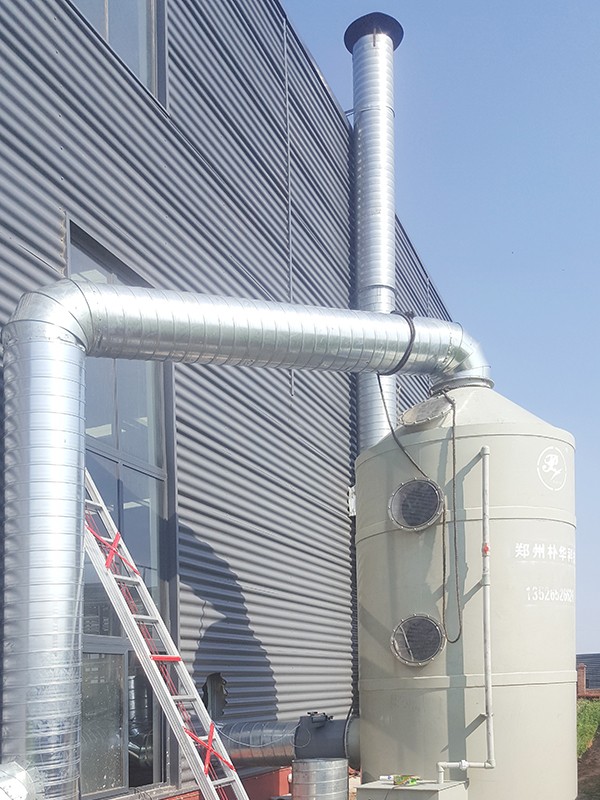
A coking plant does not have one waste gas problem. It has six or seven, each with a different composition, temperature and behaviour, and each needing a different control route. Coal charging releases raw VOCs and tar fume. Coke pushing releases hot, oily, abrasive dust. Wet quenching releases steam loaded with dust and phenols. Coke oven gas carries hydrogen sulphide, ammonia, cyanide, tar and benzene and must be purified before it can be burned. The combustion flue gas carries sulphur dioxide, nitrogen oxides and particulate. Storage tanks and loading points leak benzene and naphthalene.
Treating any one of those streams with a generic technology is how projects end up non-compliant. This guide maps the sources to the technologies that actually work on them, and flags the two contaminants, tar and sulphur, that dictate most design decisions.
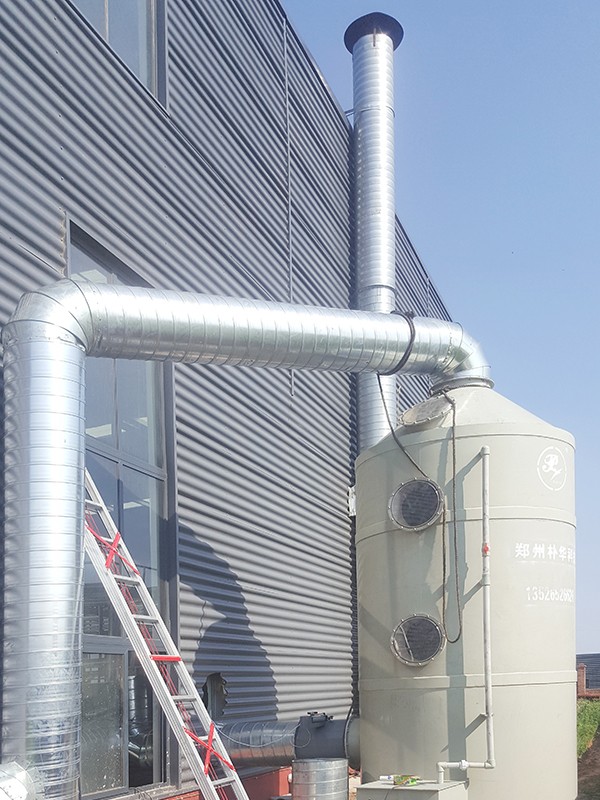
The Emission Map
| Source | Main pollutants | Typical control route |
|---|---|---|
| Coal charging (fugitive) | Raw coal dust, tar fume, VOCs, hydrogen sulphide | Smoke-free charging with sealed or staged charging, plus hood extraction to a bag filter or combustion route |
| Coke pushing | Hot dust, tar vapour, sulphur compounds, coarse particulate | Mobile pushing car with hood, spark pre-separation, high-temperature bag filter |
| Wet quenching | Steam plume, dust, phenols, sulphides | Quench tower baffles and mist elimination, or dry quenching (CDQ) with heat recovery |
| Coke oven gas before use | H₂S, ammonia, HCN, tar, naphthalene, benzene | Tar and ammonia removal, wet oxidative desulphurisation, secondary fine desulphurisation |
| Combustion flue gas (underfiring stacks, boilers) | SO₂, NOx, particulate | Flue gas desulphurisation, low-NOx burner and SCR or SNCR, dust removal |
| Tank farms and loading | Benzene, naphthalene, other VOCs | Sealed tanks, vapour balancing, condensation plus adsorption or thermal oxidation |
Rule One: Remove Tar and Sulphur Before Oxidation
Coking waste gas is the classic case where thermal oxidation is the right answer and the wrong first step. Streams from coal charging, pushing and tank vents contain tar, naphthalene and sulphur compounds. Tar and naphthalene condense and solidify at intermediate temperatures, blocking ducts, burners, heat exchange media and catalyst beds. Sulphur dioxide formed during oxidation converts to sulphurous and sulphuric acid in the presence of moisture, corroding the same components.
Pre-separate the sticky fraction. Cyclone or drop-out chambers for the coarse dust, condensers or mist eliminators for tar, and filtration for the fine particulate, in that order.
Keep duct temperatures honest. Any section of duct that sits between the naphthalene dew point and the oxidation temperature will block. Insulation and a heat-traced path are design requirements, not refinements.
Match the oxidation technology to the chemistry. Catalytic oxidation is efficient but is poisoned by sulphur, halogen and heavy metals, which coke plant streams supply in abundance. Regenerative thermal oxidation, with correct materials and pre-desulphurisation, is the more common choice, while very high concentrations justify using the gas as fuel.
Coal Charging and Coke Pushing
These two are the visible face of a coking plant and the source of most community complaints.
Charging. The route to compliance is reducing the amount of raw gas that escapes at all: staged or smoke-free charging, sealed charging cars, and extraction at the charging point into a hood system feeding a bag filter or returning gas to the collecting main. Extraction alone cannot compensate for a leaking charging system.
Pushing. The exhaust is hot, carries embers and tar vapour, and will destroy a filter if it arrives untreated. A spark arrestor or pre-combustion section, a drop-out box, then high-temperature filter media with adequate air-to-media ratio is the working arrangement. Pushing is also intermittent and high-velocity, so the hood and duct sizing must reflect peak flow rather than averaging.
Both. Collectors must be sized on simultaneous operation across the battery rather than on a single car, otherwise the system runs over-designed during one push and undersized during a peak sequence.
Coke Oven Gas Purification
Coke oven gas is a fuel, and its contaminants are the reason many plants cannot use it in low-emission equipment.
Tar removal. Primary cooling and tar separation, with ammonia liquor handling designed as part of the same circuit.
Ammonia and cyanide removal. Ammonia stills and appropriate stripping, with the recovered ammonia liquor treated rather than released.
Desulphurisation. Wet oxidative processes with a suitable catalyst bring hydrogen sulphide down to the tens of milligrams per cubic metre, and a secondary polishing stage is often required for fine limits or for downstream catalytic equipment.
Naphthalene control. Final cooling and washing steps remove naphthalene that would otherwise sublime into the gas distribution system.
Safety. Coke oven gas is toxic by carbon monoxide content and explosive over a wide range. Purging, gas detection, flame arrestors and interlocked vents are part of the treatment system, not the fuel system alone.
Flue Gas from Combustion
Once the gas is burned, the flue gas still has to meet stack limits.
Desulphurisation. Wet limestone or ammonia-based scrubbing handles the sulphur dioxide load, with the choice driven by whether a saleable byproduct is wanted and by the plant's wastewater capacity.
Denitrification. Low-NOx burners and staged combustion first, then SCR or SNCR where nitrogen oxide limits tighten. Catalyst life depends on how clean the gas is upstream.
Particulate. Bag filters or electrostatic precipitation ahead of the scrubber, depending on gas temperature and dust resistivity.
Ultra-low targets. Modern limits for sulphur dioxide, nitrogen oxides and particulate are low enough that these stages must be designed as a system, with the SCR protected from ammonium salt deposition by correct ammonia injection control.
Fugitive Emissions and Leak Control
No collector fixes a leaking battery. The practical programme combines lid and door maintenance, sealing of ascension pipes and standpipes, a leak detection and repair routine with defined response times, and vapour balancing during loading. Hood extraction captures what escapes; it should not be relied on to make up for equipment that is passing gas continuously.
Where Zhengzhou Puhua Technology Fits In
Zhengzhou Puhua Technology is an established environmental equipment manufacturer covering dust treatment, desulphurisation, denitrification, VOCs organic waste gas treatment, pneumatic conveying and wastewater treatment. Its range includes baghouse dust collectors, pulse-jet dust collectors, mobile dust collectors, ultra-low emission equipment, desulphurisation towers, denitrification equipment, photo-oxidation units, RCO catalytic oxidation equipment, RTO units and VOCs treatment systems.
That breadth suits coking plants, where the compliance problem spans charging and pushing dedusting, flue gas desulphurisation and denitrification, and VOC streams that need pre-treatment before oxidation, plus the wastewater consequences of wet scrubbing. Coordinating those stages under one design avoids the familiar outcome where each unit meets its own datasheet and the battery still exceeds its fence-line limits.
Frequently Asked Questions
Is a single VOCs unit enough for a coking plant? No. Charging, pushing, tank vents and gas purification produce streams with different concentrations, tar loads and moisture. Grouping them by compatibility, then treating each group, is the workable approach.
Why do thermal oxidisers block so quickly here? Naphthalene and tar condensing in cool sections, and ammonium salts forming where ammonia meets sulphur and chlorine. Temperature control through the whole path and pre-separation solve both.
Can wet quenching be replaced? Dry quenching removes the plume and recovers heat, but it is a major capital change. Upgrading the wet quench tower with baffles, mist elimination and water quality control achieves incremental improvement at far lower cost.
How is compliance verified? Continuous monitoring on the main stacks, periodic sampling on fugitive and area sources, and an LDAR log with documented repair times. Records matter as much as equipment during inspection.
The Short Version
Coking plant waste gas treatment succeeds when the sources are separated and sequenced: capture at charging and pushing, pre-separate tar and dust, purify coke oven gas before combustion, control the flue gas for sulphur, nitrogen and particulate, seal the tank farm, and only oxidise VOC streams that are already free of tar and excessive sulphur. The technology list is ordinary. The discipline in ordering it is not.
Related Articles
-

Zeolite Fixed Bed+Catalytic Combustion Equipment (RCO)
7599
-

Resin desorption+condensation recovery equipment
5532
-

Cooking oil fume purifier
11563
Subscribe to Our Newsletter
Stay updated with the latest news and insights from Puhua Tech.