
How to Inspect and Repair Corrosion and Air Leakage in Cartridge Dust Collector Housings
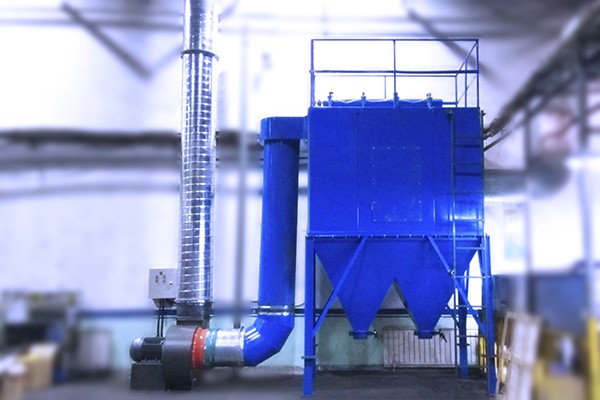
Corrosion and air leakage in a cartridge dust collector housing are among the most common—and most underestimated—problems in industrial dust collection systems. A small rust patch or a pinhole leak may seem harmless, but over time it can reduce suction performance, increase energy consumption, contaminate the workplace, and even shorten the service life of the entire system. This article walks through a practical, field-tested approach to identifying the root causes, inspecting the problem systematically, and repairing the housing so the unit returns to reliable operation.
Why Cartridge Dust Collector Housings Corrode and Leak
Before inspecting, it helps to understand what usually drives the problem. Housing corrosion is rarely caused by a single factor. In most plants, several conditions combine:
Moisture and condensation: Cold metal surfaces, humid process air, or frequent start-stop cycles create condensation inside the housing.
Corrosive gases and dust: Sulfur compounds, chlorides, and acidic dusts attack steel surfaces, especially in wet conditions.
Improper insulation: Uninsulated or poorly insulated housings are more prone to condensation and thermal cycling.
Poor sealing at joints and access doors: Gaps at flanges, inspection doors, and weld seams allow both air leakage and moisture ingress.
Worn gaskets and fasteners: Aging seals lose elasticity, and corroded bolts make doors harder to close tightly.
Inadequate maintenance: Small rust spots and loose seals that are ignored develop into through-wall corrosion and persistent leaks.
Understanding these causes helps you decide where to look first and what repair method will actually last.
Step-by-Step Inspection of Housing Corrosion and Air Leakage
1. Prepare Safely and Gather Tools
Always follow lockout/tagout procedures before opening any access door. Basic tools include a flashlight, mirror, wire brush, thickness gauge or ultrasonic thickness meter, leak-detection smoke or a thermal camera, soap solution, and a notebook for recording findings.
2. Perform a Visual Walk-Around
Start from the outside. Look for rust stains, paint blistering, discoloration, and water marks. Pay close attention to the bottom of the housing, weld seams, flange connections, and the areas around inspection doors—these are the first places corrosion and air leakage tend to appear.
3. Check Internal Surfaces
With the system safely shut down, inspect the interior of the housing. Look for condensation, wet dust buildup, and corrosion on the cartridge mounting frame. Corrosion near the bottom cone or hopper is especially common because moisture collects there.
4. Locate Air Leakage Points
Air leakage can be found with several methods:
Smoke test: Introduce smoke near suspect joints and watch for it being drawn in or pushed out.
Soap bubble test: Apply soap solution to seams and flanges while the fan runs; bubbles indicate leakage.
Thermal imaging: Temperature differences often reveal leaks at doors, seams, and duct connections.
Ultrasonic leak detector: Useful for locating small leaks in noisy plants.
5. Measure Wall Thickness
Use an ultrasonic thickness gauge on suspect areas. Compare readings with the original plate thickness. Significant thinning means the corrosion is structural and requires patching or replacement, not just painting.
6. Record and Prioritize Findings
| Inspection Point | Common Problem | Priority |
|---|---|---|
| Housing bottom and hopper | Moisture accumulation, through-wall corrosion | High |
| Weld seams | Pinhole leaks, rust along seams | High |
| Inspection doors and gaskets | Worn seals, loose latches | Medium |
| Flanges and duct connections | Loose bolts, deteriorated gaskets | Medium |
| Cartridge mounting frame | Corrosion, distorted frame | Medium |
Repair Methods for Corroded and Leaking Housings
Minor Surface Corrosion
For light rust without wall thinning, clean the area to bare metal with a wire brush or grinder, apply a rust converter if needed, and recoat with a suitable protective coating. Choose coatings compatible with the process temperature and chemistry.
Pinholes and Small Leaks
Small leaks at seams or pinholes can often be sealed with a high-quality metal patch and industrial sealant, or by welding if the material and safety conditions allow. Always clean and dry the surface first—sealant will not bond to rust or moisture.
Through-Wall Corrosion and Larger Defects
When wall thickness is significantly reduced or holes are larger, weld patching or section replacement is the reliable option. Cut out the damaged area, fit a patch of matching plate thickness, weld it, and apply protective coating. For severe cases, replacing the affected housing section or the entire housing may be more economical than repeated repairs.
Sealing Doors, Flanges, and Joints
Replace hardened or compressed gaskets with suitable high-temperature, corrosion-resistant seals.
Tighten or replace corroded fasteners and latches.
Re-seal flange joints with appropriate gasket material and even bolt torque.
Check door alignment and adjust hinges so seals compress evenly.
Addressing the Root Cause
Repairs only last if the underlying cause is controlled. Consider insulation improvements, preheating intake air where condensation is a problem, better dust removal from the hopper, and a routine inspection schedule. In corrosive environments, upgrading to corrosion-resistant materials or protective linings can substantially extend housing life.
Preventive Maintenance Checklist
Inspect the housing interior and exterior every quarter, or more often in corrosive service.
Check gaskets, latches, and door seals monthly.
Keep the hopper dry and remove dust buildup promptly.
Maintain insulation and check for condensation during seasonal changes.
Record wall thickness readings annually to track corrosion trends.
Touch up coating damage as soon as it is found.
For plants running cartridge dust collectors in demanding conditions, working with an experienced equipment manufacturer can make maintenance much easier. Zhengzhou Puhua Technology designs and produces a range of dust collection and environmental protection equipment, including cartridge and pulse dust collectors, baghouse filters, mobile dust collectors, and ultra-low emission systems. The company also provides RCO catalytic combustion equipment, RTO systems, VOCs treatment equipment, desulfurization towers, denitrification equipment, photocatalytic units, pneumatic conveying systems, and wastewater treatment equipment. Its technical team can support housing inspection, repair planning, and system upgrades for industrial dust collection users.
Frequently Asked Questions
How often should a cartridge dust collector housing be inspected?
At least quarterly for general service. In humid or corrosive environments, monthly inspection of the lower housing and door seals is recommended.
Can air leakage be repaired without shutting down the system?
Minor external sealing may be possible during operation, but any internal inspection or welding must be done under a full lockout/tagout procedure.
When is housing replacement better than repair?
If corrosion affects a large area, wall thickness has dropped significantly, or repeated repairs fail, replacing the housing section or unit is usually more cost-effective and safer.
What causes condensation inside the housing?
Temperature differences between the housing wall and process air, high humidity, and frequent start-stop cycles are common causes. Insulation and operational adjustments help control it.
Conclusion
Corrosion and air leakage in cartridge dust collector housings are manageable problems when approached systematically. Inspect thoroughly, repair according to the severity of the damage, and always address the root cause so the repair lasts. A consistent maintenance routine, combined with support from a manufacturer such as Zhengzhou Puhua Technology, keeps dust collection systems efficient, safe, and reliable over the long term.
Related Articles
-

Zeolite Fixed Bed+Catalytic Combustion Equipment (RCO)
7599
-

Resin desorption+condensation recovery equipment
5530
-

Cooking oil fume purifier
11562
Subscribe to Our Newsletter
Stay updated with the latest news and insights from Puhua Tech.