
How to Troubleshoot Air Leaks in Baghouse Dust Collector Solenoid Pulse Valves
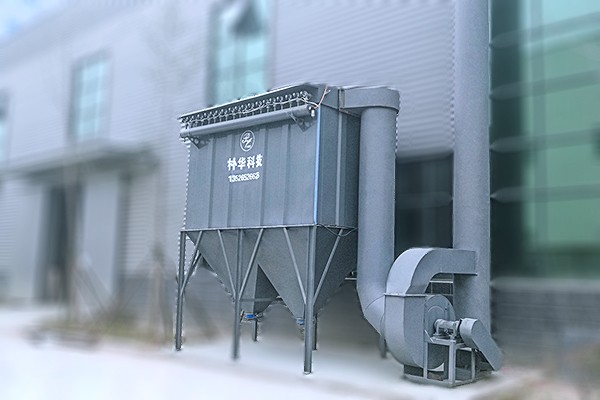
Air leaks in the solenoid pulse valves of a baghouse dust collector are one of the most common causes of poor cleaning performance, compressed air waste, and reduced filter bag life. When a pulse valve leaks, the cleaning cycle becomes uneven and the entire dust collection system loses efficiency. This guide explains a systematic troubleshooting process that maintenance teams can follow to locate and correct pulse valve air leaks quickly and safely.
Why Solenoid Pulse Valve Leaks Matter
The pulse valve is the component that releases a short burst of compressed air into the filter bags during cleaning. A leaking valve allows air to escape continuously or intermittently, which creates several problems:
Compressed air consumption increases, raising operating costs.
Cleaning pressure drops, so dust remains on the bags and differential pressure rises.
Moisture and oil may enter the baghouse through a leaking valve, causing bag blockage.
Adjacent valves may be affected by pressure fluctuations in the air header.
Early diagnosis protects both the dust collector and the compressed air system. Zhengzhou Puhua Technology, a manufacturer of baghouse dust collectors and related air pollution control equipment, recommends routine pulse valve inspection as part of every preventive maintenance schedule.
Safety and Preparation Before Troubleshooting
Before any inspection, isolate the compressed air supply to the pulse valve manifold and follow lockout procedures. Wear appropriate personal protective equipment, including safety glasses and hearing protection. Confirm that the dust collector is offline and that residual air pressure has been released through the drain valve.
Shut down the cleaning cycle and isolate the air supply.
Depressurize the air header and drain any condensate.
Record the current differential pressure reading for reference.
Prepare a leak detection solution, a soft brush, and a flashlight.
Step-by-Step Troubleshooting Process
Step 1: Identify the Leaking Valve
With the system pressurized but the cleaning cycle paused, listen for continuous hissing near the valve manifold. Apply a soap solution around the valve body, diaphragm cover, and threaded connections. Bubbles indicate the leak location. Mark each leaking valve and record its position on the manifold.
Step 2: Check the Solenoid Coil and Pilot Air Path
A leaking solenoid pilot valve can keep the main diaphragm slightly open, causing a continuous air leak. Test the coil for proper voltage and listen for a click when the signal is applied. Inspect the pilot exhaust port for blockage or debris. If the coil is energized continuously, check the control timer and wiring for a stuck output.
Step 3: Inspect the Diaphragm and Seal
The diaphragm is the most common wear item in a pulse valve. Remove the valve bonnet and examine the diaphragm for cracks, deformation, hardening, or debris trapped on the sealing surface. A small particle under the diaphragm can prevent full closure and cause a leak. Replace the diaphragm and spring if any wear is visible.
Step 4: Examine the Valve Body and Connections
Check the threaded inlet and outlet connections for looseness or damaged threads. Inspect the valve body for corrosion or cracks. Verify that the air supply pressure is within the valve manufacturer's recommended range; excessive pressure can accelerate diaphragm wear and cause leakage.
Step 5: Verify Air Quality
Moisture, oil, and particulate matter in the compressed air supply damage pulse valve internals. Inspect the filter regulator and drain traps upstream of the manifold. Confirm that the air dryer is functioning and that the dew point is suitable for the application. Poor air quality is a frequent root cause of repeated valve leaks.
Step 6: Test After Repair
Reassemble the valve, restore air pressure slowly, and apply the soap solution again to confirm that the leak is eliminated. Run a test cleaning cycle and observe the pulse sequence. Check the differential pressure after several cycles to verify that cleaning performance has returned to normal.
Common Causes and Corrective Actions
| Symptom | Likely Cause | Corrective Action |
|---|---|---|
| Continuous hissing at valve | Worn or debris-contaminated diaphragm | Clean or replace diaphragm and seal |
| Valve does not close after pulse | Solenoid coil stuck energized | Check timer output and wiring; replace coil if faulty |
| Leak at threaded connection | Loose fitting or damaged thread sealant | Retighten or reseal the connection |
| Repeated diaphragm failure | Oil or moisture in compressed air | Service filters, dryer, and drains |
| Intermittent leak | Pilot exhaust partially blocked | Clean pilot exhaust passage and solenoid |
Preventive Maintenance Recommendations
Inspect pulse valves and diaphragms at scheduled intervals based on duty cycle.
Keep spare diaphragms, springs, and solenoid coils in stock for critical units.
Maintain compressed air quality with filters, dryers, and regular drain checks.
Record pulse valve performance during each maintenance cycle to detect trends.
Verify air header pressure and cleaning timer settings after any adjustment.
Zhengzhou Puhua Technology designs and manufactures baghouse dust collectors, pulse dust collectors, mobile dust collectors, and related air pollution control equipment, including desulfurization towers, denitrification systems, VOCs treatment equipment, RCO catalytic combustion units, RTO systems, and wastewater treatment equipment. The company supports customers with equipment selection, maintenance guidance, and replacement parts for pulse cleaning systems.
Frequently Asked Questions
How often should pulse valve diaphragms be replaced?
Replacement intervals depend on pulse frequency, air quality, and operating pressure. Many facilities inspect diaphragms every six to twelve months and replace them when visible wear or leakage appears.
Can a leaking pulse valve be repaired without shutting down the dust collector?
Minor repairs may be possible with proper isolation of the individual valve, but the compressed air supply to that valve must be shut off and depressurized. Follow all site safety procedures before attempting any repair.
What differential pressure indicates a cleaning problem?
Rising differential pressure across the baghouse often indicates ineffective cleaning. Compare readings with the baseline recorded after commissioning and investigate pulse valve performance when the trend increases.
Conclusion
Troubleshooting air leaks in baghouse dust collector solenoid pulse valves follows a logical sequence: identify the leak, check the solenoid and pilot air path, inspect the diaphragm and seals, verify connections and air quality, and test after repair. A disciplined inspection routine reduces compressed air waste, maintains cleaning performance, and extends filter bag life. For assistance with pulse valve parts or dust collection system maintenance, contact Zhengzhou Puhua Technology for professional support.
Related Articles
-

Zeolite Fixed Bed+Catalytic Combustion Equipment (RCO)
7599
-

Resin desorption+condensation recovery equipment
5530
-

Cooking oil fume purifier
11562
Subscribe to Our Newsletter
Stay updated with the latest news and insights from Puhua Tech.