
Common Reasons Why Baghouse Dust Collector Cylinders Fail to Actuate
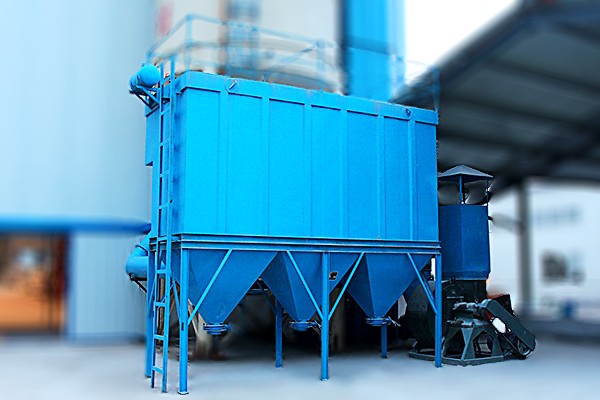
When a pulse-jet baghouse dust collector stops cleaning effectively, the first symptom operators often notice is a cylinder that refuses to stroke. The pulse valves may be firing, the timer may be cycling, but the diaphragm valve or offline damper simply does not move. This failure mode can bring dust collection to a halt and quickly drive differential pressure into alarm territory.
At Zhengzhou Puhua Technology, our service teams regularly diagnose cylinder failures in baghouse systems, pulse dust collectors, and related air pollution control equipment. The causes usually fall into four categories: air supply problems, valve and signal issues, mechanical binding, and environmental factors. Working through them in a logical sequence saves hours of guesswork.
1. Insufficient or Contaminated Air Supply
The most frequent root cause is simply that the cylinder is not receiving adequate air pressure or flow. Pneumatic systems require a stable supply within the manufacturer’s specified range, typically around 0.4 to 0.6 MPa for baghouse pulse valves and offline damper cylinders. When supply pressure drops, the cylinder may move sluggishly or not at all.
Several conditions can reduce supply pressure:
Compressed air leaks at fittings, hoses, or the cylinder itself. A leaking seal or loose tube connection can bleed off enough air to prevent actuation.
Clogged filters or blocked air lines. Particulate buildup in the filter regulator or debris in the tubing restricts flow.
Regulator malfunction or incorrect setting. A failing regulator may not maintain downstream pressure even when the receiver tank is full.
Water accumulation in the air supply. Moisture carried through the lines can collect in the cylinder barrel, preventing proper filling and exhausting of air. In freezing conditions, condensate can ice up inside the cylinder or solenoid valve, locking the mechanism entirely.
Field diagnosis should begin with a pressure gauge at the cylinder inlet port. If the reading is low, work backward through the filter regulator, tubing, and supply header to locate the restriction or leak. Draining moisture traps and verifying air dryer performance are equally important, particularly in humid or cold climates.
2. Solenoid Valve Failure or Signal Loss
A cylinder cannot move if its directional control valve does not shift. The solenoid valve is the interface between the control system and the pneumatic actuator, and it is a high-cycle component that wears over time.
Common solenoid-related causes of cylinder non-actuation include:
Burned solenoid coil. The coil may fail open or short, preventing the valve from shifting even when the control signal is present.
Stuck or contaminated valve spool. Dust ingress or oil sludge can cause the spool to jam in one position.
Failed pilot air passage. Many solenoid valves use a small pilot air circuit; a blockage here prevents the main spool from shifting.
No control signal from the pulse controller or PLC. A failed output card, loose terminal, or programming fault can leave the solenoid de-energized.
A simple listening test helps separate valve problems from control problems. Ask an operator to trigger a manual pulse or test cycle while listening at the solenoid. A distinct click indicates the coil is energizing; if the cylinder still does not move, the fault is likely downstream in the valve body or air path. Silence points toward an electrical or control signal issue.
3. Mechanical Binding and Cylinder Wear
Even with correct air pressure and a functioning solenoid, the cylinder may fail to stroke if mechanical resistance exceeds its available force. Baghouse cylinders often drive dampers, poppet valves, or diaphragm assemblies that can bind after prolonged exposure to dust and heat.
Mechanical causes to investigate:
Worn or damaged piston seals. Seal degradation allows air to bypass the piston, reducing effective force. In severe cases, the cylinder will not move at all under load.
Bent or misaligned piston rod. Side loading from a misaligned damper linkage can bend the rod or score the bore, causing sticking.
Foreign material inside the cylinder. Dust that enters through a damaged wiper seal or contaminated air supply can abrade the bore and jam the piston.
Damper or valve linkage binding. The cylinder may be healthy, but the mechanism it drives is seized. Ash buildup on damper shafts, corroded linkage pins, or a warped damper blade can all prevent movement.
Disconnecting the cylinder from its load and stroking it manually or with air is a reliable way to isolate cylinder problems from driven-equipment problems. If the cylinder moves freely when disconnected, the binding is downstream.
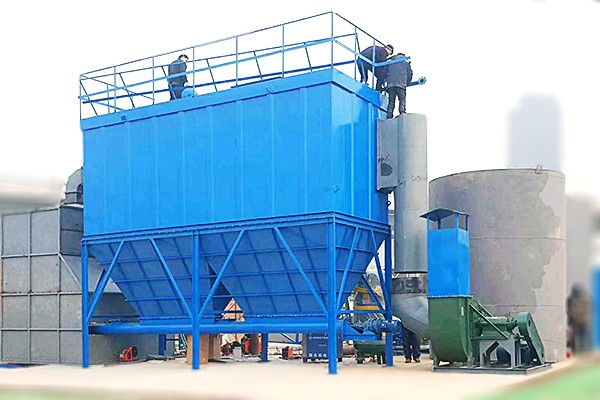
4. Environmental and Installation Factors
Baghouse cylinders operate in conditions that are harsher than many other pneumatic applications. High dust loading, elevated temperatures, and outdoor installation all take a toll.
Overlooked environmental causes include:
Moisture ingress and corrosion. Condensate in the air supply corrodes cylinder bores and solenoid internals, leading to sticking and seal failure over time.
Dust accumulation on piston rods. Abrasive dust that settles on the exposed rod can be drawn into the seal on the retract stroke, damaging the seal and contaminating the barrel.
Temperature extremes. In cold climates, freezing condensate can lock a cylinder or solenoid. In high-temperature zones near the baghouse, seals may harden and lose elasticity prematurely.
Incorrect cylinder sizing or mounting. An undersized cylinder may lack the force to overcome normal damper resistance, especially after ash buildup increases friction.
Systematic Troubleshooting Sequence
Rather than guessing, follow a structured path from the air source to the mechanical load. The table below summarizes the sequence and the key checks at each stage.
| Step | Check Point | Normal Condition | Action If Abnormal |
|---|---|---|---|
| 1 | Air pressure at cylinder inlet | 0.4–0.6 MPa, steady | Trace upstream for leaks, clogged filter, or regulator fault |
| 2 | Solenoid valve operation | Audible click, valve shifts | Check coil power, clean or replace valve |
| 3 | Control signal output | Voltage present at solenoid during command | Inspect wiring, controller output card, programming |
| 4 | Cylinder stroke without load | Smooth, full stroke | Rebuild or replace cylinder if binding or leaking |
| 5 | Driven mechanism freedom | Moves without excessive force | Clean, lubricate, or repair damper linkage |
This sequence moves from the most accessible and common causes toward the more involved mechanical checks. In our experience at Zhengzhou Puhua Technology supporting baghouse dust collectors, pulse-jet systems, and VOCs treatment equipment across industrial sites, the majority of “dead cylinder” calls are resolved at steps 1 and 2.
Preventive Measures That Reduce Cylinder Failures
Most cylinder failures are preventable with routine attention to the air supply and mechanical condition. The following practices significantly reduce unplanned downtime:
Install and maintain coalescing filters and dryers upstream of baghouse pneumatic components. Clean, dry air is the single most effective defense against cylinder and solenoid problems.
Drain moisture traps daily and verify automatic drains are functioning, especially in humid seasons.
Inspect and replace solenoid valves on a schedule based on cycle frequency. High-use pulse valves may need replacement every two to three years even if they appear functional.
Keep piston rods clean and lightly lubricated with a compatible grease. Wipe dust from exposed rods during routine inspections.
Check damper and linkage freedom during every major shutdown. Freeing a stiff damper before it stalls the cylinder prevents seal damage and wasted troubleshooting time.
For operators specifying new baghouse equipment or replacing aging pneumatic components, working with a supplier who understands both the air side and the dust collection process is valuable. Zhengzhou Puhua Technology designs and manufactures baghouse dust collectors, pulse dust collectors, and complete air pollution control systems with serviceability in mind, including accessible pneumatic components and clear maintenance points.
When a cylinder fails, the remedy is rarely a single part swap. Understanding whether the root cause is air quality, signal integrity, mechanical wear, or environmental exposure determines whether the fix lasts a week or a decade. A disciplined troubleshooting routine and a preventive maintenance calendar turn a recurring headache into a manageable routine.
Related Articles
-

Zeolite Fixed Bed+Catalytic Combustion Equipment (RCO)
7599
-

Resin desorption+condensation recovery equipment
5530
-

Cooking oil fume purifier
11562
Subscribe to Our Newsletter
Stay updated with the latest news and insights from Puhua Tech.