
RCO vs RTO: Which Has Better Cost Performance for VOCs Treatment
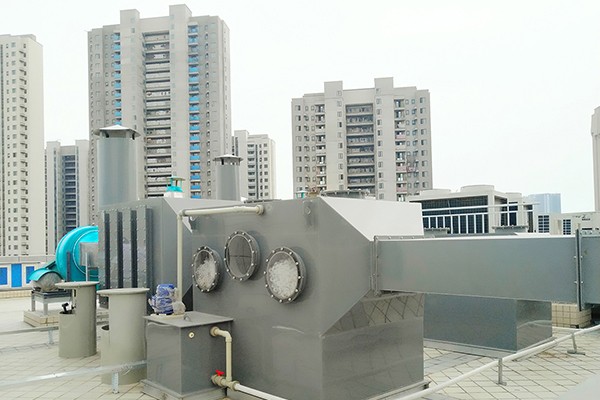
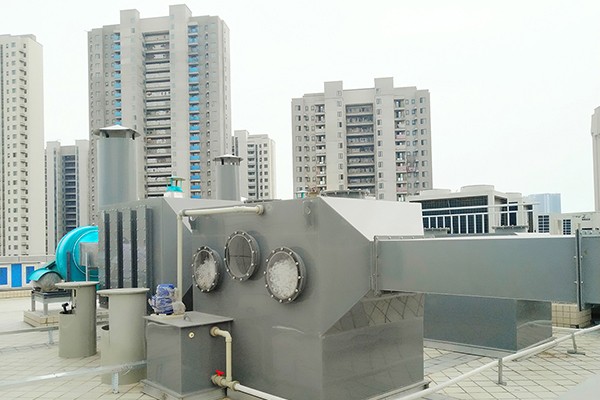
RCO and RTO are mainstream combustion VOCs treatment equipment. There is no absolute higher-cost-performance product; it depends on exhaust concentration, gas composition, operating hours and energy price. RCO runs at 250–350℃ with catalyst, low fuel consumption; RTO runs at 750–850℃ without catalyst, high purification stability and anti-pollution ability. As a professional environmental protection equipment manufacturer, Zhengzhou Puhua Technology provides customized RCO and RTO systems for spraying, printing, chemical and pharmaceutical industries, matching pretreatment and zeolite rotor concentration equipment according to working conditions.
1. Core Cost Comparison
Initial investment: RCO is slightly higher than RTO, because noble metal catalyst brings extra cost, generally about 1.1–1.2 times the price of RTO with the same air volume.
Running fuel cost: RCO is more energy-saving. Low reaction temperature cuts fuel consumption obviously, NOx generation is lower. But if the VOC concentration is high enough to reach self-sustaining combustion, RTO can also run with little or no auxiliary fuel, and the fuel gap shrinks sharply.
Consumable maintenance cost: This is the biggest difference. RCO catalyst is easy to be poisoned by sulfur, phosphorus, heavy metal, silicone oil. Its service life is about 2–3 years, and replacing catalyst costs a lot. RTO only has ceramic蓄热体, which lasts 5–8 years, stable and low maintenance cost.
Full life cycle cost: Clean, low-concentration, long-running exhaust → RCO better; complex, high-concentration, fluctuating exhaust, containing trace catalyst poison → RTO has better comprehensive cost performance.
2. Suitable Working Conditions for High Cost Performance
RCO preferred (high cost performance):
1. Low & medium concentration VOCs, clean exhaust without sulfur, phosphorus, silicone oil, heavy metal poison; typical industries: simple spraying, printing, glue workshop.
2. Stable air volume and stable concentration, long continuous operation time, high gas/electricity price.
3. Strict NOx emission requirements, and want to reduce auxiliary fuel consumption.
RTO preferred (high cost performance):
1. Complex exhaust, possible with catalyst poison, concentration fluctuation is large; typical industries: chemical, pharmaceutical, coating, composite material.
2. High VOC concentration, easy to realize self-heating operation, fuel saving advantage of RCO disappears.
3. High standard emission requirement, need stable purification efficiency above 99.5%.
4. Less maintenance budget, avoid frequent catalyst replacement and risk of poisoning failure.
3. Key Risk Points Easily Ignored in Procurement
Many customers choose RCO only for low fuel cost, but ignore catalyst poisoning. Once the exhaust contains a small amount of silicone oil, sulfur, phosphorus, the catalyst will quickly deactivate, and the whole system will exceed the standard, and the replacement cost will offset the fuel savings in a short time. So RCO must be equipped with strict pretreatment: filter cotton, activated carbon filter, oil mist removal.
RTO has high working temperature, if the exhaust contains halogen, acid gas, anti-corrosion design must be upgraded, otherwise the ceramic蓄热体 and furnace body will be corroded, increasing maintenance cost. Zhengzhou Puhua Technology will add cooling, alkali washing and other pretreatment sections for corrosive waste gas in advance.
4. Quick Selection Checklist
✅ Clean exhaust, stable concentration, no poison, long running hours → Choose RCO
✅ Exhaust composition unknown, easy to fluctuate, with oil mist / sulfur / silicone → Choose RTO
✅ High VOC concentration, can self-sustain combustion → Choose RTO
✅ Low concentration + zeolite rotor concentration system → Both optional, calculate life cycle cost
5. Frequently Asked Questions
5.1 Which one has higher purification efficiency?
RTO is more stable, DRE ≥99.5%; RCO is generally 95–99%, affected by catalyst activity. When catalyst is poisoned, efficiency drops rapidly.
5.2 Can RCO be used for intermittent production workshops?
Not recommended. Frequent start and stop will accelerate catalyst aging, and the energy-saving advantage cannot be reflected.
5.3 If I choose RCO, how to extend catalyst life?
Complete oil mist and dust pretreatment, strictly control the inlet pollutants, regularly test catalyst activity, and avoid over-temperature impact.
Conclusion
In summary, cost performance cannot be judged only by unit price or fuel saving. The core is to match the process with exhaust composition. Clean and stable low-concentration VOCs, RCO is more cost-effective; complex, fluctuating, high-concentration waste gas, RTO has lower long-term comprehensive risk and better life-cycle cost performance. Zhengzhou Puhua Technology, as a professional environmental protection equipment supplier, provides one-stop solutions covering dust control, desulfurization, denitrification, VOCs organic waste gas treatment, pneumatic conveying and sewage treatment. Its product lineup includes baghouse dust collectors, RCO catalytic combustion equipment, RTO equipment, desulfurization towers, denitrification devices, photo-oxidation catalytic equipment, pulse dust collectors, mobile dust collectors, ultra-low emission equipment and sewage treatment facilities. The technical team can carry out exhaust condition analysis and life cycle cost calculation for you, recommend RCO or RTO, and design supporting pretreatment system to avoid later compliance risks.
Related Articles
-

Zeolite Fixed Bed+Catalytic Combustion Equipment (RCO)
7596
-

Resin desorption+condensation recovery equipment
5528
-

Cooking oil fume purifier
11561
Subscribe to Our Newsletter
Stay updated with the latest news and insights from Puhua Tech.