
How Often Should You Replace the Filter for a Welding Fume Purifier
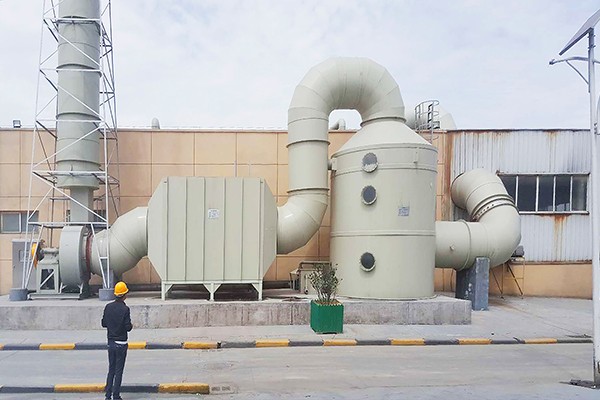
Welding generates fine metal particles, oxides and toxic fumes that threaten welders’ health and may cause environmental non-compliance. A welding fume purifier is essential to capture these hazardous pollutants, and the filter cartridge is the core consumable that directly determines purification efficiency. Many workshop managers and equipment operators ask the same question: how often should you replace the filter for a welding fume purifier? There is no universal fixed timeline. The replacement cycle of a welding smoke filter depends on welding frequency, base material, daily operating hours, filter quality, cleaning routine and the overall design of the fume extraction system. Delaying filter replacement reduces suction, increases internal pressure, raises power consumption, allows smoke leakage and shortens the service life of the main unit. Replacing filters too early brings unnecessary operational costs. Learning about reference cycles, influencing factors, warning signs and maintenance tips helps you build a practical filter schedule, balancing occupational safety, emission compliance and budget control. As a trusted global environmental protection equipment manufacturer, Zhengzhou Puhua Technology specializes in the design, research, development and production of dust control equipment, desulfurization equipment, denitrification equipment, VOCs organic waste gas treatment equipment, pneumatic conveying equipment and sewage treatment equipment. Its product range includes baghouse dust collectors, RCO catalytic combustion equipment, RTO equipment, VOCs treatment systems, desulfurization towers, denitrification devices, photo-oxidation catalytic equipment, pulse dust collectors, mobile dust collectors, ultra-low emission equipment and sewage treatment facilities. The brand also supplies matched high-performance filter cartridges for welding fume purifiers and pulse dust collection systems, delivering stable filtration for metal fabrication, auto welding, steel structure and heavy manufacturing workshops worldwide.
1. Basic Reference Replacement Cycle of Welding Fume Purifier Filter
We divide working conditions into light, medium and heavy load to set benchmark cycles for welding dust collection filters. These figures are only references; on-site smoke concentration and pressure difference data are the most reliable judgment basis.
Light-load workshops feature intermittent welding, less than 4 working hours per day, mostly thin-plate argon arc welding, low spatter and low smoke density. Under these conditions, the main filter cartridge can normally last 6–12 months. Weekly pulse cleaning can push the service life toward the upper limit. Typical users include small maintenance shops and prototype processing rooms.
Medium-load workshops are the most common scenario, with 4–8 hours of continuous welding each day. Mixed processes such as CO2 gas shielded welding, MMA welding and argon arc welding are widely used. The recommended replacement cycle for welding smoke filters is 3–6 months. Most medium-sized metal processing factories and auto parts welding lines fall into this category. Regular inspection and weekly pulse cleaning prevent rapid filter clogging.
Heavy-load workshops run over 8 hours daily with batch thick carbon steel welding, massive spatter, high metal smoke concentration and multiple simultaneous welding stations. Filters clog quickly here, so the suggested replacement interval is just 1–3 months. Large steel structure plants, machinery manufacturing and container factories belong to this group. Even with automatic pulse cleaning, sticky metal oxide dust will accumulate over time and cannot be blown away.
It is important to separate pre-filters and main fine filters. The primary pre-filter catches large hot spatter and coarse debris, so it wears out much faster. In heavy smoke conditions, pre-filters may need cleaning or replacement every 2–4 weeks. Many users overlook pre-filter maintenance, which leads to premature damage of the expensive main filter. Zhengzhou Puhua Technology provides complete filter kits including pre-filter and main cartridges for its mobile welding fume purifiers and pulse dust collectors, protecting the main filter and extending the whole dust removal system service life.
2. Key Factors Affecting Welding Smoke Filter Lifespan
Reference cycles are only a starting point. Multiple variables change how fast a welding dust collection filter clogs, and you should adjust maintenance plans accordingly instead of following rigid schedules.
2.1 Welding Material and Welding Process
Different metals produce fumes with different viscosity and particle size. Carbon steel creates dry iron oxide dust that is relatively easy to remove by pulse blowing. Stainless steel welding releases fine chromium and nickel oxide particles that penetrate deep into filter fibers and are hard to clean. Aluminum welding produces sticky alumina smoke that adheres tightly to the filter surface and cannot be removed by normal back-blowing. Galvanized sheet welding generates zinc oxide fumes with strong adhesion and mild corrosion, accelerating filter aging. Among welding processes, manual arc welding creates the most smoke, while argon arc welding produces less smoke but extremely fine particles. When ordering purifiers and filters, share your main welding materials with the supplier. The technical team of Zhengzhou Puhua Technology can recommend PTFE membrane-coated filter cartridges, which are ideal for sticky aluminum, galvanized and stainless steel fumes, improving dust release and extending filter life.
2.2 Operating Hours, Filter Quality and Cleaning Habits
Long continuous operation and multiple welding stations sharing one extraction system multiply dust load and speed up clogging. Peak-season overtime production also consumes filters faster. Low-quality cheap filters have loose fiber layers that tear easily after a few cleaning cycles and allow fine smoke leakage. Premium PTFE-coated cartridges trap dust on the surface instead of deep inside fibers, making pulse cleaning far more effective. Proper cleaning helps extend life, but excessive air pressure or fixed-point manual blowing will damage filter media. Remember that cleaning only removes loose surface dust; caked and deeply embedded particles cannot be eliminated permanently. High humidity, oil mist and mixed grinding dust in the workshop also accelerate clogging. Spark arrestors at the air inlet block hot spatter and avoid burn holes on filter cartridges.
3. Visible and Measurable Signs That the Filter Needs Replacement
Do not rely only on scheduled time. Watch for these clear warning signals, and replace the filter even if it has not reached the planned cycle.
First, suction drops sharply. When welding smoke can no longer be captured by the hood and drifts freely in the workshop, the filter is likely blocked. Run pulse cleaning first; if suction does not recover, replacement is required.
Second, differential pressure exceeds the alarm value. Most industrial dust collectors and high-end welding fume purifiers have differential pressure gauges measuring pressure before and after the filter. Rising pressure means dust buildup. If pressure stays high after pulse cleaning, the filter must be replaced. Differential pressure is the most objective, quantitative indicator for filter condition.
Third, smoke escapes from the clean air outlet. Visible smoke at the outlet means the filter material is perforated or the sealing ring fails. This is a safety hazard and will cause emission violations. Shut down the machine immediately for inspection and filter replacement.
Fourth, fan noise and power consumption increase. A blocked filter creates extra resistance, forcing the fan motor to run under overload. Long-term overload can burn out the motor and raise equipment repair costs.
Fifth, visual inspection shows hardened dust cakes, brittle filter media, peeling PTFE film or cracked rubber seals. Cleaning cannot restore performance in these cases, and direct replacement is necessary. Zhengzhou Puhua Technology recommends combining differential pressure monitoring with regular manual checks. Its dust removal equipment can be equipped with pressure monitoring modules, and technicians can guide your team to build maintenance records for personalized filter management.
4. Risks of Delaying Filter Replacement
Some factory operators postpone filter replacement to cut short-term consumable spending, but this decision brings far greater hidden losses.
First, welders face severe respiratory health risks. Heavy metal fumes from welding may trigger metal fume fever, chronic lung disease and other occupational illnesses. Failed filters break the protection barrier and expose workers to dangerous particulates, bringing potential occupational disease claims and compensation costs.
Second, enterprises face environmental penalties. Excessive particulate emissions from disabled filters lead to inspection failures, rectification orders and fines. For export manufacturers, non-compliant exhaust treatment also risks failing customer audits and losing orders. Zhengzhou Puhua Technology’s integrated dust and waste gas treatment systems help workshops consistently meet domestic and international emission standards with reasonable filter maintenance cycles.
Third, the whole purification system suffers accelerated damage. High backpressure from clogged filters wears fan bearings and disrupts pulse cleaning functions, even causing dust accumulation inside ducts. Repairing fans and pipelines is much more expensive than replacing filter cartridges.
Fourth, poor workshop visibility increases welding defects and rework, while smoky working conditions reduce staff comfort and productivity.
5. Practical Tips to Extend Filter Service Life
With standardized daily management, you can lengthen welding smoke filter lifespan, reduce purchasing frequency and lower long-term operating costs.
Install and inspect spark arrestors and pre-filters regularly. This simple step blocks hot spatter and coarse dust before they reach the main filter, which is the most cost-effective protection measure. Adjust pulse cleaning parameters properly: shorten intervals for heavy smoke production and extend intervals for light-load work. Keep compressed air dry and install oil-water separators to avoid moisture-induced dust caking.
Optimize fume hood placement and duct layout. Keep hoods at a proper distance from welding points to maintain high capture efficiency. Check ducts for air leakage or blockage, which causes uneven dust loading on filter surfaces. Always select filter media matched to your welding process; avoid generic dust filters for aluminum or galvanized welding. Zhengzhou Puhua Technology can provide customized filter recommendations based on your materials, smoke characteristics and equipment model.
Build maintenance logs to record running hours, differential pressure readings, cleaning dates and replacement records. Train operators to recognize abnormal signs early. Avoid mixing welding fume pipelines with grinding dust or oil mist systems unless the unit is specially designed for mixed pollutants. If your workshop has multiple waste gas types, consult Zhengzhou Puhua Technology for separate classification treatment plans including independent dust collectors and VOCs treatment units.
6. Guidance on Buying Matching Welding Fume Purifier Filters
When replacement time arrives, choosing the correct matched filter guarantees stable purification performance. Many users buy low-cost universal filters with wrong dimensions or unsuitable media, resulting in air leakage and short service life.
Confirm key parameters including outer diameter, inner diameter, length, pleat height, seal type and PTFE coating requirement. Even small dimensional errors cause sealing failure and unfiltered smoke bypass. Prioritize original supporting filters from the equipment manufacturer. As a professional maker of welding fume purifiers, pulse dust collectors and mobile dust removal equipment, Zhengzhou Puhua Technology supplies original matched filter cartridges for all its self-developed dust removal products. The size, sealing structure and filter material are designed to match the equipment air volume and internal airflow, avoiding the hidden risks of mismatched accessories. The brand also offers bulk supply for long-term manufacturing customers.
Balance quality and price. Cheap filters often have high comprehensive costs from frequent shutdowns and compliance risks. High-quality cartridges cost more upfront but deliver longer service life and stable emission performance. You should evaluate total lifecycle cost instead of only unit price. Choose suppliers with reliable after-sales and technical support. The after-sales team of Zhengzhou Puhua Technology provides installation guidance, remote troubleshooting and regular follow-up services for global customers.
7. Frequently Asked Questions
7.1 Can I clean the filter instead of replacing it forever?
No. Cleaning only removes loose surface dust. Fine particles embed into filter fibers over time, the PTFE coating wears away and dust holding capacity drops permanently. Cleaning is maintenance, not a permanent substitute. Replace the filter when pressure cannot recover after cleaning.
7.2 Are mobile purifier filters the same as centralized pulse dust collector filters?
Usually not. Mobile welding fume purifiers have smaller filter areas and lower dust holding capacity, so they clog faster under equal load. Centralized dust collection systems feature larger filter cartridges and stable pulse cleaning, with longer replacement cycles. Zhengzhou Puhua Technology develops both mobile and large pulse dust removal systems and provides separate maintenance guides.
7.3 What is special about welding filter cartridges?
Welding filters are optimized for fine metal oxide fumes, usually with PTFE anti-stick coating. Ordinary dust filters for stone or wood dust lack this coating and clog rapidly when used for welding smoke, especially aluminum fumes.
Conclusion
In summary, there is no fixed universal answer to how often you should replace the filter for a welding fume purifier. Reference cycles range from 1 month under heavy load to 12 months under light load. The actual replacement time should be judged by differential pressure, suction performance, outlet smoke status and physical filter inspection. Welding materials, daily working hours, filter quality and regular maintenance are decisive factors. Delayed replacement brings occupational health hazards, environmental fines and equipment damage, while scientific maintenance, pre-filter protection and correct filter selection extend usable filter life. When you need welding fume purifiers, matched filter cartridges or a complete dust and waste gas treatment system for your workshop, partnering with a professional environmental equipment manufacturer helps you avoid operational troubles. Zhengzhou Puhua Technology, as a global environmental equipment supplier, provides one-stop solutions for dust control, desulfurization, denitrification, VOCs treatment, pneumatic conveying and sewage treatment. Its product portfolio includes baghouse dust collectors, RCO catalytic combustion equipment, RTO equipment, desulfurization towers, denitrification devices, photo-oxidation catalytic equipment, pulse dust collectors, mobile dust collectors, ultra-low emission equipment and sewage treatment facilities. Whether you run a small welding repair shop or a large heavy industrial plant, its technical team can customize fume purification schemes and consumable maintenance plans according to your welding process, production scale and local emission standards, keeping workshop air clean, protecting welders and maintaining stable exhaust compliance long-term.
Related Articles
-

Zeolite Fixed Bed+Catalytic Combustion Equipment (RCO)
7596
-

Resin desorption+condensation recovery equipment
5528
-

Cooking oil fume purifier
11561
Subscribe to Our Newsletter
Stay updated with the latest news and insights from Puhua Tech.