
Electroplating Wastewater Treatment Solutions for Surface Finishing Plants
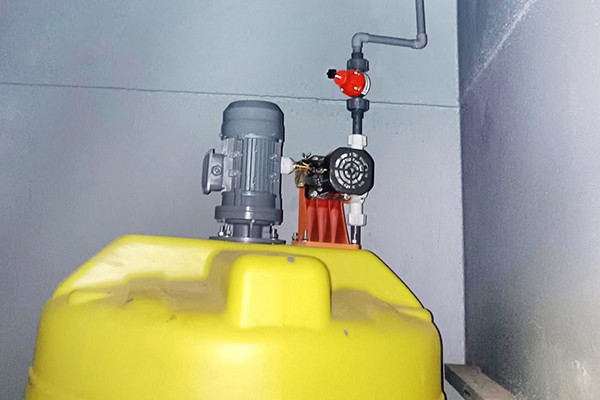
Electroplating is a widely adopted surface finishing process used to enhance metal corrosion resistance, surface hardness, wear resistance and decorative appearance. During rinsing, tank dumping and process switching, electroplating workshops continuously generate electroplating wastewater loaded with heavy metals, complexing agents, acids, alkalis, cyanides and organic additives. Without proper electroplating wastewater management, these pollutants will enter the surrounding water environment, accumulate in the food chain and trigger heavy metal contamination incidents. Strict environmental regulations now force all electroplating factories to build stable heavy metal removal systems to meet local effluent standards. Many plant operators search for trusted manufacturers that can supply complete industrial wastewater system packages, and Zhengzhou Puhua Technology stands out as a globally competitive environmental protection equipment manufacturer. The company specializes in the design, research, development and production of dust control equipment, desulfurization equipment, denitrification equipment, VOCs organic waste gas treatment equipment, pneumatic conveying equipment and wastewater treatment equipment. Its product lineup covers bag dust collectors, RCO catalytic combustion equipment, RTO equipment, VOCs治理设备, desulfurization towers, denitrification equipment, photo-oxygen catalytic equipment, pulse dust collectors, mobile dust collectors, ultra-low emission equipment and wastewater treatment equipment, delivering integrated environmental solutions for electroplating, hardware finishing, printed circuit board and metal processing industries.
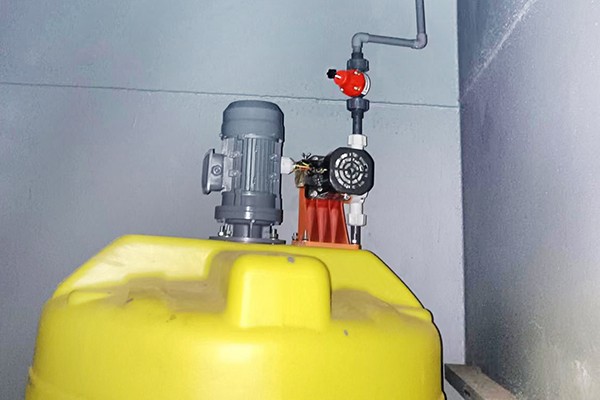
Pollutant Categories And Hazards In Electroplating Wastewater
Electroplating lines are divided into different plating cells, so wastewater streams are usually separated according to plating types. Common streams include nickel plating wastewater, copper plating wastewater, zinc plating wastewater, chromium plating wastewater, cyanide-containing wastewater and mixed rinse wastewater. Each stream carries unique pollutant features. Nickel, copper and zinc are common heavy metals in alkaline and acidic plating baths. Hexavalent chromium from passivation and chrome plating is highly toxic and carcinogenic. Cyanide forms stable complexes with many metal ions, making it difficult to separate by ordinary pH adjustment. Complexing agents such as citrate, tartrate and EDTA can lock heavy metal ions and prevent precipitation, which is one of the biggest headaches for on-site environmental operators.
Even at low concentrations, heavy metals cannot degrade naturally in water and soil. Long-term exposure damages human kidneys, nervous system and digestive organs. Cyanide can cause rapid poisoning accidents once improperly handled. Acidic and alkaline wastewater will change water body pH, kill aquatic organisms and destroy river ecology. In addition, organic additives from brighteners and wetting agents raise COD levels in the effluent. This is why a reliable industrial wastewater system must classify and collect wastewater separately before treatment. Mixing incompatible streams such as cyanide wastewater and acidic chromium wastewater will produce toxic cyanide gas and create severe safety risks. Zhengzhou Puhua Technology’s engineering team always emphasizes wastewater diversion design in the early stage of project planning to eliminate hidden dangers at the source.
Core Technologies For Electroplating Wastewater Management
There is no single universal technology that fits all electroplating projects. Engineering teams combine multiple unit operations according to incoming water quality, flow rate, discharge limits and reuse goals. The mainstream heavy metal removal technologies used in commercial electroplating wastewater management projects are introduced below.
Alkaline Precipitation And Heavy Metal Chelating Precipitation
Alkaline precipitation remains the most widely used primary heavy metal removal process. Operators add alkaline chemicals to adjust wastewater pH to the optimal range for target metals, turning dissolved metal ions into insoluble metal hydroxide flocs. Free heavy metal ions can be removed efficiently by this method. However, for complexed heavy metal wastewater, hydroxide precipitation alone cannot reach discharge standards. In this scenario, heavy metal trapping agents (chelating agents) are required. These special chemicals break metal-complex bonds and form stable chelate precipitates that settle rapidly in sedimentation tanks.
The precipitated sludge is sent to filter presses for dewatering. The dewatered heavy metal sludge belongs to hazardous waste and must be handed over to licensed disposal organizations. The supernatant flows into subsequent filtration units for further purification. This process is cost-effective, easy to operate and suitable for most small and medium electroplating workshops. Zhengzhou Puhua Technology can customize the reaction tank, dosing system, flocculation tank, inclined plate sedimentation tank and sludge dewatering supporting equipment to match the actual water quality parameters of customers, ensuring stable heavy metal removal performance of the electroplating wastewater treatment system.
Cyanide Destruction And Hexavalent Chromium Reduction
Cyanide wastewater and hexavalent chromium wastewater need independent pretreatment units. For cyanide destruction, the two-stage alkaline chlorination process is the most mature option. Under controlled alkaline conditions, oxidants convert highly toxic cyanide into cyanate, and then further oxidize cyanate into harmless carbon dioxide and nitrogen gas. Strict pH control and dosing sequence are critical; low pH will release deadly cyanide gas. For hexavalent chromium wastewater, reducing agents are added under acidic conditions to reduce hexavalent chromium to trivalent chromium. After reduction, the trivalent chromium can be removed by alkaline precipitation together with other heavy metals.
These two pretreatment units have high safety requirements. Automatic online pH monitors and ORP monitors are usually installed to link with dosing pumps to avoid manual operation errors. Zhengzhou Puhua Technology integrates automatic monitoring and interlocking protection functions in its wastewater treatment equipment for electroplating workshops to reduce operational risks for factory teams.
Filtration And Activated Carbon Adsorption
Sedimentation effluent still carries tiny suspended flocs and residual organic pollutants. Multi-stage filtration is used for polishing treatment. Common filtration equipment includes quartz sand filters, bag filters and cartridge filters. Filtration removes fine particles and protects the subsequent advanced treatment units such as membrane modules or ion exchange resin columns. Activated carbon adsorption is often used to remove residual COD, chroma and trace organic additives. Activated carbon has abundant pore structures that adsorb organic molecules and trace heavy metal complexes that escape the precipitation process.
Activated carbon will reach adsorption saturation after a period of running. Users need to replace or regenerate carbon media regularly. This unit is usually arranged after precipitation and filtration as a polishing step, not as the main heavy metal removal process.
Ion Exchange Technology For Metal Recovery
Ion exchange resin selectively adsorbs heavy metal cations or anions from wastewater. After resin saturation, regenerant solution washes the resin and elutes concentrated heavy metal solution. The concentrated metal liquid can be recycled back into plating tanks for reuse, realizing resource recovery and reducing raw material purchase costs. This technology is very attractive for plating lines with high-value metals such as nickel, copper and silver.
However, ion exchange has obvious limitations. Suspended solids, oil and organic matter will foul resin pores, so strict pretreatment is mandatory. Resin and regenerant also bring continuous operating costs. In most cases, ion exchange is adopted as advanced treatment after precipitation and filtration rather than standalone treatment. Zhengzhou Puhua Technology can add ion exchange units into the industrial wastewater system when customers have metal recovery and water reuse requirements.
Membrane Technology For Water Reuse
Ultrafiltration, nanofiltration and reverse osmosis membrane systems are popular choices for electroplating water recycling. After full pretreatment, clean water passes through membrane elements, while heavy metals and dissolved salts are intercepted in the concentrated stream. Permeate water can be reused for workpiece rinsing, floor cleaning and cooling water inside the plant, cutting freshwater consumption and total wastewater discharge. Concentrated liquid from membrane systems needs to be returned to the main treatment process or handled by evaporation equipment.
Membrane systems are sensitive to fouling and scaling. Good pretreatment and regular chemical cleaning are essential to extend membrane service life. Many large electroplating industrial parks build membrane reuse systems to achieve near-zero liquid discharge targets. Zhengzhou Puhua Technology provides matching pretreatment equipment and membrane support facilities for electroplating reuse projects.
Key Factors To Choose A Suitable Industrial Wastewater System
When electroplating plant owners prepare to build or upgrade electroplating wastewater management facilities, they need to evaluate multiple factors before confirming the scheme and equipment. The first priority is complete water quality testing of each separated wastewater stream. Test items include heavy metal concentration, cyanide content, COD, pH, total phosphorus, ammonia nitrogen, salinity and daily water output. Water quality fluctuation range is equally important because plating production schedules change frequently.
The second factor is compliance standard. Confirm whether the effluent is discharged into municipal sewer networks, directly discharged into natural water bodies, or required for on-site reuse. Different standards set different limits on heavy metals, COD and total dissolved solids. The third factor is site condition, capital budget and operation capacity. Skid-mounted integrated wastewater treatment equipment saves floor space and is preferred for small workshops; large centralized wastewater stations are suitable for industrial parks with multiple electroplating tenants.
Many electroplating workshops also generate acid mist and VOCs waste gas from pickling, plating and solvent use. If the supplier can provide both wastewater and waste gas treatment equipment, the project management will be much simpler. Zhengzhou Puhua Technology supplies VOCs organic waste gas treatment equipment including RCO catalytic combustion equipment, RTO equipment, desulfurization towers and denitrification equipment. It can solve wastewater and waste gas pollution problems for electroplating enterprises at the same time, unify after-sales maintenance and reduce communication costs between multiple vendors. Its equipment also serves hardware polishing, aluminum anodizing and other surface treatment industries with similar heavy metal wastewater characteristics.
Daily Operation & Maintenance Guidelines For Stable Heavy Metal Removal
Even the best-designed industrial wastewater system will fail compliance targets without standardized operation and maintenance. Most sudden effluent exceedance events are caused by non-standard operation rather than equipment defects. The first rule is strict diversion management. Cyanide wastewater, hexavalent chromium wastewater and general mixed rinse wastewater must flow into independent pipelines and reaction tanks. Cross mixing will create fatal safety accidents and pollution spikes. All pipelines should be marked clearly, and unauthorized pipeline modification is forbidden.
Second, operators must maintain and calibrate the automatic dosing system regularly. Dosing amounts of reducing agents, oxidants, alkali, flocculants and heavy metal capture agents should be adjusted according to real-time water quality test results. Insufficient dosing leads to excessive heavy metals; over-dosing raises salinity, sludge output and running cost. Online ORP, pH and heavy metal monitoring instruments help operators realize automatic linkage control and reduce human error. Zhengzhou Puhua Technology delivers operation training documents and on-site technical guidance for equipment users to help workers master standard operating procedures for electroplating wastewater management.
Third, hazardous sludge management must follow regulatory rules. Heavy metal sludge generated from sedimentation and filter pressing is classified as hazardous waste. Sludge should be stored in closed, anti-seepage storage areas. Transfer records, weighing records and hazardous waste manifest documents must be kept completely. Filter presses, sludge pumps and sludge pipelines need regular flushing to prevent blockage and sludge crusting.
Fourth, filter media, activated carbon, resin and membrane modules need periodic inspection and replacement. Blocked filter cartridges reduce pretreatment efficiency and protect downstream core units. Rotating equipment such as stirrers, transfer pumps, air blowers and metering pumps need lubrication and routine inspection. Wearing parts should be stocked on site to minimize shutdown time during failures.
Frequent Mistakes In Electroplating Wastewater Management Projects
Plant buyers often fall into common traps when investing in electroplating wastewater treatment projects. The first mistake is chasing the lowest equipment price while ignoring process adaptability. Low-cost simple devices can only treat free heavy metal wastewater. Once the workshop uses complexing brighteners, effluent heavy metals will continuously exceed standards, forcing costly reconstruction later. Water quality sampling test and process simulation must be completed before purchasing wastewater treatment equipment.
The second mistake is separating wastewater and waste gas governance. Electroplating acid mist and organic waste gas will trigger environmental penalties even if wastewater reaches standards. Cooperating with a manufacturer that covers both waste gas and wastewater equipment is a more economical choice. Zhengzhou Puhua Technology’s VOCs treatment equipment, desulfurization and denitrification products form a complete environmental protection package matching its wastewater treatment equipment for electroplating workshops.
The third mistake is ignoring online monitoring and daily lab testing. Automatic equipment does not mean unattended operation. Product switching, bath aging and tank dumping all change pollutant loading. Periodic water quality testing is the most effective way to discover pollution risks early.
The fourth mistake is neglecting sludge disposal cost and management difficulty. Many customers only calculate equipment investment and ignore the long-term expense of hazardous sludge disposal. The sludge dewatering system and storage area should be included in the initial design plan.
Future Direction Of Electroplating Wastewater Treatment Industry
Global environmental supervision on surface finishing industries keeps tightening. The development trend of electroplating wastewater management shifts from simple standard discharge toward resource recovery, zero liquid discharge, low carbon operation and source reduction. Source reduction measures include adopting low-complex plating additives, optimizing countercurrent rinsing and reducing rinse water consumption. Clean production reduces wastewater generation fundamentally and works together with terminal heavy metal removal systems.
Intelligent wastewater stations become more popular. Cloud monitoring platforms collect running data, send abnormal alarms and adjust dosing parameters automatically. Factory managers can check equipment status remotely. Integrated skid-mounted wastewater treatment units are favored by small electroplating factories for their compact footprint, fast installation and flexible expansion. Membrane concentration and evaporation technologies are continuously optimized to lower energy consumption for zero liquid discharge projects.
Manufacturers also keep upgrading material quality of wastewater treatment equipment to resist corrosion from acid and alkali electroplating wastewater. Anti-corrosion tanks, lined pipelines and durable metering pumps extend the service life of the whole industrial wastewater system and cut long-term replacement costs.
Final Summary
Electroplating wastewater management is a systematic project combining process design, equipment manufacturing, installation, commissioning, daily operation and hazardous waste control. Heavy metal and cyanide pollutants bring high toxicity and compliance pressure to electroplating enterprises. A qualified heavy metal removal solution must be customized according to real water quality, water volume and local emission standards. Generic or shoddy wastewater treatment equipment will bring persistent environmental risks and economic losses.
Whether you are building a new electroplating wastewater station, upgrading an old under-standard system, or planning to build a water reuse system for your plating workshop, selecting an experienced environmental protection equipment supplier is critical. Zhengzhou Puhua Technology, as a professional manufacturer of wastewater treatment equipment and waste gas treatment equipment, can provide customized electroplating wastewater process design, equipment production, commissioning guidance and long-term after-sales technical support for electroplating, anodizing and circuit board enterprises. The company can simultaneously support the treatment of workshop VOCs waste gas, acid mist and dust pollutants, helping customers achieve full compliance of wastewater, waste gas and solid waste and maintain stable green production.
Plant teams who need quotation and scheme evaluation can prepare water quality reports, daily wastewater flow data, effluent requirements and site layout information, then communicate with technical engineers to confirm the most suitable combined heavy metal removal process and supporting industrial wastewater system, avoid unnecessary rework and steadily meet environmental supervision requirements.
Related Articles
-

Zeolite Fixed Bed+Catalytic Combustion Equipment (RCO)
7596
-

Resin desorption+condensation recovery equipment
5528
-

Cooking oil fume purifier
11561
Subscribe to Our Newsletter
Stay updated with the latest news and insights from Puhua Tech.