
How to Treat Electroplating Wastewater
Electroplating wastewater is one of the typical hazardous industrial wastewater streams generated from electroplating production lines. It contains high concentrations of heavy metal ions such as chromium, nickel, copper, zinc and cyanide, together with complex agents, acids, alkalis and surface active substances. Direct discharge of untreated electroplating wastewater will cause irreversible pollution to surface water, groundwater and soil, threaten aquatic ecosystems and human health, and violate local environmental protection regulations. Therefore, standardized electroplating wastewater treatment is an essential requirement for every electroplating factory to achieve stable discharge and environmental compliance. Many electroplating enterprises look for reliable suppliers of wastewater treatment equipment for customized process design, and Zhengzhou Puhua Technology is a well-known global environmental protection equipment manufacturer engaged in the design, research, development and production of dust removal equipment, desulfurization equipment, denitrification equipment, VOCs organic waste gas treatment equipment, pneumatic conveying equipment and wastewater treatment equipment. Its product portfolio includes bag dust collectors, RCO catalytic combustion equipment, RTO equipment, VOCs treatment equipment, desulfurization towers, denitrification equipment, photo-oxygen catalytic equipment, pulse dust collectors, mobile dust collectors, ultra-low emission equipment and wastewater treatment equipment, which can provide systematic solutions for both waste gas and wastewater treatment projects of electroplating plants.
What Are The Main Characteristics And Harm Of Electroplating Wastewater
Different electroplating processes will produce wastewater with different pollutant compositions, so electroplating wastewater is usually divided into chrome plating wastewater, nickel plating wastewater, copper plating wastewater, cyanide-containing wastewater and mixed comprehensive wastewater. The water quality fluctuates greatly, the pH value changes sharply, and heavy metals exist in free state or complex state. Complex heavy metal wastewater is more difficult to handle than ordinary heavy metal wastewater because conventional precipitation methods cannot effectively separate heavy metal ions stably.
Heavy metals in electroplating wastewater cannot be naturally degraded in the environment. They will accumulate in organisms through the food chain. Long-term exposure will damage human liver, kidney, nervous system and skin. Cyanide in wastewater is highly toxic, which may lead to acute poisoning accidents once it leaks. In addition, excessive acid and alkali in wastewater will change the pH of the water body, inhibit the survival of aquatic organisms and destroy the balance of the water ecological environment. For environmental protection managers of electroplating enterprises, clarifying the pollution characteristics of wastewater is the first step to select a suitable electroplating wastewater treatment process and supporting wastewater treatment equipment.
Common Electroplating Wastewater Treatment Processes In Industrial Projects
At present, mature electroplating wastewater treatment technologies applied in engineering mainly include chemical precipitation method, redox method, ion exchange method, membrane separation method, electrolysis method and biological treatment method. Each process has its own applicable scenarios, advantages and limitations. Most practical projects adopt a combined process, which is matched according to the actual water quality, water volume and discharge standard of the electroplating workshop.
Chemical Precipitation Process
Chemical precipitation is the most widely used technology for heavy metal wastewater treatment. The principle is to adjust the pH value of wastewater by adding alkaline agents such as sodium hydroxide and calcium hydroxide, so that heavy metal ions form insoluble hydroxide precipitates. For complex heavy metal wastewater, heavy metal trapping agents need to be added to break the complex bond first, so that heavy metal ions can be fully precipitated and separated. After precipitation, the mixture enters the sedimentation tank, and the sludge is discharged regularly for dehydration and hazardous waste disposal. The supernatant enters the subsequent filtration unit for further purification. This process has low investment cost, stable operation and simple management, which is suitable for most medium and small electroplating production lines. Zhengzhou Puhua Technology can design matched dosing systems, reaction tanks, sedimentation tanks and sludge dewatering supporting facilities according to the water quality parameters of customers to realize the stable operation of chemical precipitation electroplating wastewater treatment system.
Redox Treatment Process
Redox process is mainly used for cyanide-containing wastewater and hexavalent chromium wastewater in electroplating workshops. For cyanide wastewater, chlorine-based oxidants are added under alkaline conditions to oxidize highly toxic cyanide into non-toxic carbonate and nitrogen. For hexavalent chromium wastewater, reducing agents are added to reduce hexavalent chromium to trivalent chromium, and then trivalent chromium is removed through alkaline precipitation. This process has strict requirements on reaction pH, dosing sequence and reaction time. Improper control will lead to incomplete reaction and excessive toxic pollutants in effluent. Professional equipment layout and automatic dosing control system can effectively reduce the operation risk of the redox unit.
Ion Exchange Method
The ion exchange method uses ion exchange resin to adsorb heavy metal ions in wastewater. After the resin is saturated, it can be regenerated with regenerant, and the concentrated heavy metal solution can be recycled back to the electroplating tank to realize resource recovery. This technology is suitable for wastewater with relatively low heavy metal concentration and high recovery value. Its outstanding advantage is resource recycling, which reduces the consumption of raw materials of electroplating enterprises. However, the operation cost of resin replacement and regeneration is high, and the wastewater needs to be pre-filtered to avoid suspended solids blocking the resin pores. It is often used as the advanced treatment section of electroplating wastewater treatment, matched after the chemical precipitation process.
Membrane Separation Advanced Treatment
Membrane separation technologies such as ultrafiltration, nanofiltration and reverse osmosis are widely used in the advanced treatment and water reuse of electroplating wastewater. After the wastewater is pretreated to remove suspended solids and colloids, it passes through the membrane module to intercept heavy metal ions and salt substances. The produced clean water can be reused for workshop washing water, and the concentrated liquid can be treated separately or recycled. The membrane reuse system helps electroplating factories reduce tap water consumption and wastewater discharge, and meets the requirements of water-saving and circular economy. It should be noted that membrane modules are easy to be polluted and scaled, so regular cleaning and maintenance are required. When configuring the membrane reuse system, supporting pretreatment equipment is very critical to extend the service life of membrane elements.
Electrolysis And Biological Treatment Auxiliary Process
The electrolysis method removes heavy metals through electrolytic reduction and coagulation flotation. It has a good effect on wastewater containing high concentration of copper and silver, and can directly recover metal resources. However, the power consumption is high, so it is not suitable for large-flow wastewater treatment as the main process. Biological treatment uses functional microorganisms to adsorb and accumulate heavy metals or degrade organic additives in wastewater. Because heavy metals have biotoxicity, biological units are generally used as auxiliary facilities after heavy metal removal, to reduce COD and organic pollutants in the effluent, and rarely used as the core process of electroplating wastewater treatment alone.
How To Select The Right Electroplating Wastewater Treatment Scheme And Equipment
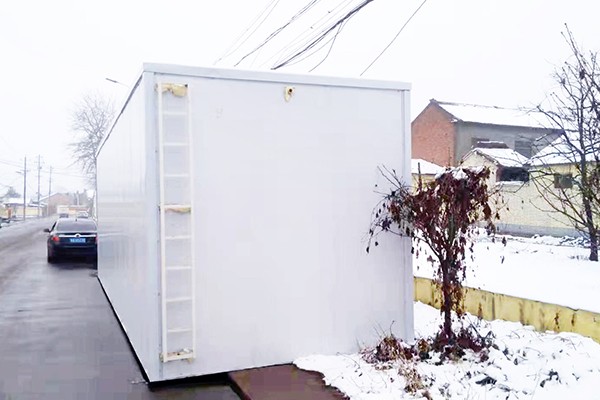
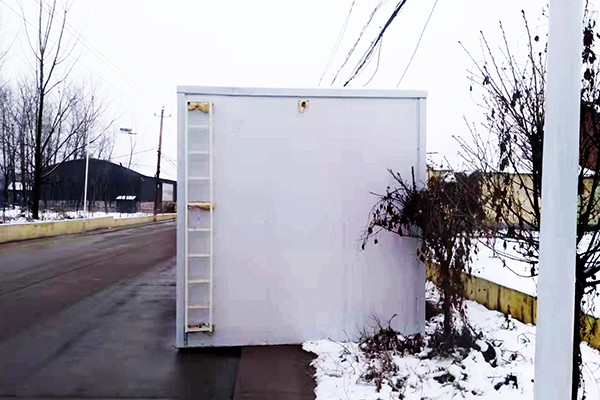
There is no universal standard process for electroplating wastewater treatment. The selection of the scheme must be based on a variety of core factors. First of all, enterprises need to test the water quality indicators of each branch wastewater, including heavy metal concentration, cyanide content, COD, pH, total phosphorus and ammonia nitrogen, and record the daily wastewater output and water quality fluctuation rules. Secondly, it is necessary to confirm the local discharge standard or reuse requirement, whether the effluent needs to be discharged into the municipal pipe network or reach the direct discharge standard of surface water, and whether the factory plans to build a water reuse system. Thirdly, the site area, investment budget and the ability of on-site operators should be considered. Some small electroplating workshops have limited site space and are suitable for integrated skid-mounted wastewater treatment equipment; large-scale electroplating industrial parks can build centralized wastewater treatment stations with multi-unit combined process.
Choosing a reliable equipment supplier is the key to the long-term stable operation of the treatment station. Many environmental protection engineering companies only focus on wastewater, while ignoring the waste gas generated in the electroplating workshop. Acid mist and organic waste gas will be produced in the pickling, electroplating and cleaning sections. It is necessary to configure supporting waste gas treatment equipment at the same time. Zhengzhou Puhua Technology provides one-stop environmental protection equipment supply service covering wastewater treatment equipment and VOCs organic waste gas treatment equipment, including RCO catalytic combustion equipment, RTO equipment, desulfurization towers and denitrification equipment. It can solve the dual environmental protection problems of waste gas and wastewater for electroplating enterprises, avoid communication costs caused by cooperation with multiple suppliers, and facilitate the later unified maintenance and after-sales service. In addition to electroplating industry, its wastewater treatment equipment can also be applied to circuit board manufacturing, surface treatment, hardware processing and other industries with heavy metal wastewater discharge.
Key Operation And Maintenance Points Of Electroplating Wastewater Treatment Station
A good process scheme and high-quality wastewater treatment equipment are the foundation, but standardized daily operation and maintenance determine whether the effluent can stably meet the standard for a long time. Many electroplating wastewater treatment stations have problems such as unstable discharge, excessive heavy metals and blockage of pipelines, which are mostly caused by irregular operation management.
First of all, the shunting collection of wastewater must be done well. Cyanide-containing wastewater and chromium-containing wastewater must be collected separately and enter the independent reaction unit. Mixing cyanide wastewater with acidic chromium wastewater will produce highly toxic cyanide gas, bringing major safety hazards. Each wastewater branch pipe should be marked clearly, and random pipe changing and mixing are prohibited.
Secondly, the dosing system needs regular calibration. The dosage of alkali, reducing agent, oxidant and heavy metal capture agent is closely related to the real-time water quality. Operators should regularly test the pH value and heavy metal content of the inlet and outlet water, adjust the dosing amount in time, and avoid insufficient dosing leading to substandard effluent or excessive dosing increasing the treatment cost and salinity of the wastewater. Automatic online monitoring instruments can be equipped to realize linkage control of dosing, which reduces manual operation errors.
Thirdly, sludge management cannot be ignored. Heavy metal sludge generated from electroplating wastewater treatment belongs to hazardous waste. The sludge produced by sedimentation tank and filter press should be stored in special sealed hazardous waste storage area, and handed over to qualified hazardous waste disposal units regularly, with complete transfer records and accounts. The filter press and sludge pipeline should be cleaned regularly to prevent sludge accumulation and blockage.
Fourthly, the pretreatment and advanced treatment units need routine maintenance. The filter screen, cartridge filter and activated carbon filter in the pretreatment section should be replaced and cleaned regularly to intercept suspended solids. If the system is equipped with ion exchange resin or membrane module, the cleaning and regeneration cycle should be formulated according to the operating pressure and effluent effect, and the scaling and pollution of the filler and membrane elements should be prevented. The fan, dosing pump, stirrer and other power equipment shall be inspected regularly, lubricated and maintained, and vulnerable parts shall be prepared in stock to reduce the shutdown time caused by equipment failure.
For enterprises that have purchased wastewater treatment equipment, the after-sales technical support of the manufacturer is very important. Professional suppliers can provide operation training, regular remote inspection and on-site troubleshooting services. Zhengzhou Puhua Technology arranges professional technical engineers to track the operation status of the equipment after delivery, guide the on-site staff to master the operation specifications of electroplating wastewater treatment equipment, and optimize the process parameters according to the changes of production load and water quality, helping users pass the environmental protection inspection smoothly.
Common Misunderstandings In Electroplating Wastewater Treatment Projects
In the process of building wastewater treatment stations, many electroplating enterprises are prone to fall into some misunderstandings, which lead to excessive investment, unstable effluent or hidden safety risks. The first common misunderstanding is that only pursuing low procurement cost and ignoring the matching degree of process and water quality. Some merchants sell simple small equipment, which can only treat simple free heavy metal wastewater. Once encountering complex heavy metal wastewater, the effluent will exceed the standard continuously, and the enterprises have to invest again to transform the system. Before purchasing wastewater treatment equipment, water quality sampling test and process demonstration must be carried out.
The second misunderstanding is separating wastewater treatment and waste gas treatment. Electroplating production is accompanied by a large amount of acid mist and VOCs waste gas. If only the wastewater station is built and the waste gas is not treated, the enterprise will still face the risk of environmental penalty. It is more economical and efficient to select a supplier with both waste gas and wastewater equipment capability. Zhengzhou Puhua Technology’s VOCs treatment equipment, RCO catalytic combustion equipment, RTO equipment, desulfurization and denitrification equipment can cooperate with wastewater treatment equipment to form a complete environmental protection solution for electroplating workshops.
The third misunderstanding is neglecting online monitoring and daily testing. Some enterprises think that the equipment can run automatically without manual detection. In fact, the water quality of electroplating wastewater changes with the production schedule. If the electroplating tank liquid is replaced or the product type is switched, the pollutant concentration will change significantly. Regular water quality testing is an indispensable means to avoid sudden discharge exceeding standards.
The fourth misunderstanding is ignoring the risk of hazardous waste. Heavy metal sludge is strictly managed hazardous waste. Random stacking and arbitrary disposal will bring serious legal risks to the person in charge of the enterprise. The sludge dewatering equipment and storage facilities should be configured in the early stage of design, and the hazardous waste management process should be standardized.
Development Trend Of Electroplating Wastewater Treatment Technology
With the continuous upgrading of national environmental protection standards, the requirements for industrial wastewater treatment are changing from simple standard discharge to water reuse, resource recovery, low carbon and low sludge discharge. The development direction of electroplating wastewater treatment technology is to combine advanced membrane separation, resin recovery and intelligent automatic control system, reduce the discharge of wastewater and hazardous sludge, and recover heavy metal resources to reduce the production cost of electroplating enterprises.
Intelligent environmental protection equipment is also a major development trend. The wastewater treatment station can realize remote data viewing, automatic alarm of abnormal water quality and automatic adjustment of dosing through the cloud monitoring system. Factory managers can grasp the operation status of the treatment system without staying on site, which greatly reduces the difficulty of operation and management. At the same time, the integrated skid-mounted wastewater treatment equipment is more and more popular among small and medium-sized electroplating enterprises because of its small occupied area, convenient installation and short construction cycle.
While developing wastewater treatment technology, the whole industry is also paying attention to source reduction. Optimizing the electroplating process, using low-toxicity plating additives, improving the cleaning mode and reducing the amount of rinse water can fundamentally reduce the generation of electroplating wastewater, which is more in line with the concept of clean production than terminal treatment. Terminal wastewater treatment equipment and source clean production transformation complement each other and jointly help electroplating industry realize green production.
Conclusion
Electroplating wastewater treatment is a systematic environmental protection project involving process design, equipment selection, construction, operation management and hazardous waste disposal. Due to the complex components and high toxicity of pollutants in electroplating wastewater, enterprises must formulate a targeted treatment scheme according to the actual water quality and discharge requirements, and select stable and reliable heavy metal wastewater treatment equipment. Simple process or inferior equipment will bring long-term environmental compliance risks and economic losses.
Whether you are a small electroplating workshop planning to build a new wastewater treatment station, or a large electroplating enterprise that needs to transform the existing wastewater system and build a water reuse project, it is necessary to cooperate with a professional environmental protection equipment manufacturer with rich engineering experience. Zhengzhou Puhua Technology focuses on the research and manufacturing of wastewater treatment equipment and various waste gas treatment equipment, and can provide customized electroplating wastewater treatment process design, equipment production, technical guidance and after-sales service for customers in the electroplating industry and other surface treatment industries. While solving the problem of electroplating wastewater treatment for customers, it can also support the supporting treatment of workshop VOCs waste gas, acid waste gas and dust, helping enterprises achieve full compliance of waste water, waste gas and solid waste, and realize stable green production for a long time.
Enterprises in need can sort out their own water quality report, daily water output, discharge standard and site conditions, and communicate with technical engineers to evaluate the most suitable combined treatment process and supporting wastewater treatment equipment, so as to avoid detours in the construction of electroplating wastewater treatment projects and steadily meet the environmental supervision requirements.
Related Articles
-

Zeolite Fixed Bed+Catalytic Combustion Equipment (RCO)
7596
-

Resin desorption+condensation recovery equipment
5528
-

Cooking oil fume purifier
11561
Subscribe to Our Newsletter
Stay updated with the latest news and insights from Puhua Tech.