
Slaughterhouse Wastewater Treatment: Processes, Equipment and Design Guide
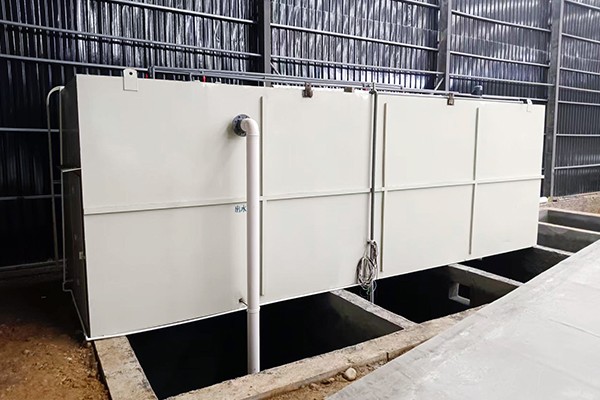
Slaughterhouse wastewater is a typical high-concentration organic wastewater produced during livestock slaughter, scalding, depilation, cleaning and cutting processes. It contains a large amount of blood, grease, protein, suspended solids, manure residues, nitrogen and phosphorus pollutants. Its characteristics are high COD, high BOD5, high ammonia nitrogen, high suspended solids and easy corruption. If discharged without proper treatment, it will rapidly consume dissolved oxygen in water bodies, cause black and odorous water, trigger eutrophication and bring serious environmental risks. Many slaughter plant operators struggle with process selection, equipment configuration and stable standard discharge. Zhengzhou Puhua Technology, a trusted global environmental protection equipment manufacturer, specializes in the design, research, development and production of dust removal equipment, desulfurization equipment, denitrification equipment, VOCs organic waste gas treatment equipment, pneumatic conveying equipment and sewage treatment equipment. Its sewage treatment product line covers slaughter wastewater integrated treatment units, grease traps, air flotation machines, anaerobic reactors, A/O biochemical tanks, MBR membrane systems, sedimentation tanks, dosing devices and sludge dewatering equipment. The technical team of Zhengzhou Puhua Technology has delivered many wastewater treatment projects for pig, cattle, sheep and poultry slaughter factories, and customized process schemes according to production scale, water quality fluctuation and local emission limits.
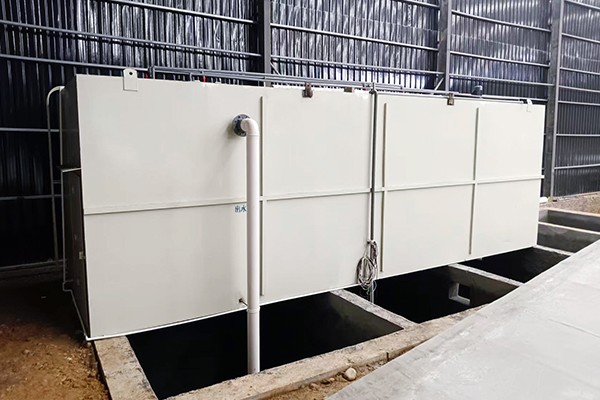
Pollution Characteristics of Slaughter Wastewater
Before determining the treatment process, it is necessary to understand the unique characteristics of slaughter wastewater, which are obviously different from domestic sewage and industrial wastewater. The water quality fluctuates sharply because wastewater discharge is concentrated in a short time after slaughtering, and the water volume is intermittent. A large amount of animal fat and protein will quickly form scum and block pipelines and subsequent biochemical equipment if not removed in advance. The wastewater is easy to ferment and produce odor, so the supporting deodorization system is often required. The core indicators that need to be controlled are COD, BOD5, SS, ammonia nitrogen, total nitrogen and total phosphorus. Improper pretreatment is the main cause of biochemical system collapse, membrane fouling and unstable effluent. Zhengzhou Puhua Technology usually recommends pre-stage oil removal and solid-liquid separation as the first core step for all slaughter wastewater projects.
Core Equipment for Slaughter Wastewater Treatment
A complete slaughter wastewater treatment system is divided into pretreatment unit, biochemical treatment unit, advanced treatment unit, sludge treatment unit and supporting deodorization unit. The configuration can be adjusted according to the emission standard and reuse demand of the slaughter plant.
Pretreatment Equipment
Mechanical bar screens are used to intercept large impurities such as hair, scraps, undigested feed and tissue residues. After the bar screen, the wastewater enters the grease trap and air flotation machine. The air flotation machine separates floating grease, fine suspended solids and colloidal protein substances. Oil removal is critical for slaughter wastewater. If grease enters the biochemical tank, it will wrap the biofilm, inhibit the activity of microorganisms and lead to the failure of biochemical treatment. The regulating tank is essential to balance the intermittent water inflow and water quality fluctuation. Zhengzhou Puhua Technology provides automatic slag scraping air flotation equipment and efficient grease removal devices specially optimized for slaughter wastewater, which can reduce the load of the subsequent biochemical system significantly.
Anaerobic Treatment Equipment
For large and medium-sized slaughter plants with high COD concentration, anaerobic reactors such as UASB and IC anaerobic tanks are widely adopted. The anaerobic unit decomposes most organic matter under the action of anaerobic bacteria, reduces COD greatly and produces biogas. Biogas can be collected for combustion and heating to realize energy recovery. Anaerobic treatment is suitable for slaughter wastewater with stable water inflow and large scale. Small slaughter workshops with low daily water volume can skip independent anaerobic units and adopt combined biochemical processes directly.
Biochemical Treatment Equipment
A/O, A²/O and MBBR are mainstream biochemical processes for slaughter wastewater. The anoxic tank realizes denitrification to remove total nitrogen; the aerobic tank degrades organic matter and nitrifies ammonia nitrogen. A²/O process can remove nitrogen and phosphorus synchronously. MBBR moving bed biofilm reactor has strong impact resistance, small footprint and is not easy to sludge bulking, which is very suitable for slaughter wastewater with unstable water quality. MBR membrane bioreactor is often used when higher effluent quality is required. It replaces the secondary sedimentation tank and obtains clear effluent, which can be used for workshop cleaning and greening after disinfection. Zhengzhou Puhua Technology’s A²/O and MBR integrated sewage treatment equipment are widely used in meat slaughter and processing enterprises.
Sedimentation, Dosing and Advanced Treatment Equipment
Secondary sedimentation tanks separate activated sludge from effluent. Chemical phosphorus removal dosing systems are equipped when the total phosphorus index is difficult to meet the standard by biological methods alone. If the local emission standard is strict, advanced filtration equipment such as multi-media filter and activated carbon filter will be added after biochemical treatment. Disinfection equipment such as ultraviolet disinfection or sodium hypochlorite disinfection is set at the tail end to kill pathogenic bacteria in slaughter wastewater.
Sludge Treatment Equipment
Slaughter wastewater treatment produces a large amount of biological sludge and oil sludge. Sludge thickener and plate and frame filter press are used for sludge dewatering. Dewatered sludge can be treated as organic waste or harmlessly disposed according to local regulatory requirements. Zhengzhou Puhua Technology’s supporting sludge dewatering equipment can reduce the moisture content of sludge and facilitate transportation and disposal.
Deodorization Supporting Equipment
The waste gas generated from regulating tank, air flotation tank, sludge tank and biochemical tank contains strong odor. Zhengzhou Puhua Technology can match photo-oxygen catalytic equipment, activated carbon adsorption devices or biological deodorization systems for odor collection and treatment, so as to avoid odor complaints and meet environmental assessment requirements of the slaughter plant.
Mature Process Schemes for Slaughter Wastewater
Combined with the practical experience of slaughter wastewater projects, the technical team of Zhengzhou Puhua Technology summarizes several common process routes for different scales of slaughter enterprises.
Scheme 1: Small slaughter workshop, ordinary discharge standard. Process: Mechanical bar screen → grease trap → air flotation machine → regulating tank → A/O biochemical tank → secondary sedimentation tank → disinfection → discharge. This scheme has low investment and simple operation, suitable for small-scale slaughter plants with low daily water volume.
Scheme 2: Medium-sized slaughter plant, strict nitrogen and phosphorus control requirements. Process: Bar screen → grease trap → air flotation → regulating tank → A²/O biochemical tank → sedimentation → chemical phosphorus removal → disinfection → discharge. This process can realize synchronous removal of COD, ammonia nitrogen, total nitrogen and total phosphorus, which is the most widely adopted scheme for standardized slaughter enterprises.
Scheme 3: Large slaughterhouse, high organic load, energy recovery demand. Process: Bar screen → grease trap → air flotation → regulating tank → UASB anaerobic reactor → A/O aerobic biochemical tank → sedimentation → advanced treatment → disinfection → discharge. The anaerobic unit reduces the organic load and recovers biogas, which effectively reduces the operation cost of aerobic biochemical section.
Scheme 4: Slaughter wastewater requiring reuse. Process: Pretreatment → air flotation → A²/O or MBBR → MBR membrane system → disinfection → clean water tank for workshop cleaning, flushing and greening reuse. This scheme can realize wastewater recycling and save water resources for slaughter enterprises.
Key Points for Slaughter Wastewater Process Design and Equipment Selection
1. Strengthen oil removal and solid-liquid separation
Grease is the biggest killer of biochemical systems and membrane components. Many projects fail because of insufficient pretreatment. The air flotation equipment must run stably, and the floating oil scum should be cleaned regularly. Zhengzhou Puhua Technology will configure automatic oil scraping and slag discharging structures to reduce manual operation and prevent oil from entering the biochemical tank.
2. Fully consider the impact of intermittent water inflow
Slaughter production is concentrated in a few hours every day, and the water inflow is small or even zero in rest time. The regulating tank must have sufficient buffer volume to balance water quality and water volume, avoid sudden impact load on microorganisms, and prevent sludge loss and system collapse.
3. Select biochemical process according to emission standard
If the local standard has strict requirements on total nitrogen and total phosphorus, simple A/O process is not enough, and A²/O or MBBR combined with chemical phosphorus removal is required. If the enterprise plans to reuse water, MBR is the preferred advanced treatment unit.
4. Pay attention to anti-corrosion and easy cleaning design
Slaughter wastewater is easy to corrupt and produce corrosive substances. The tank body, pipeline and equipment need anti-corrosion treatment. The equipment structure should be convenient for regular cleaning to prevent sediment and grease accumulation.
5. Configure supporting deodorization system
Odor is a common pain point in slaughter wastewater stations. The waste gas from each pool should be collected and sent to the deodorization system. Zhengzhou Puhua Technology can provide integrated deodorization schemes together with wastewater treatment equipment, including photo-oxygen catalytic equipment and activated carbon adsorption units.
6. Reserve sludge disposal channel
Slaughter sludge is easy to decay and stink. The sludge dewatering system must be matched, and the sludge should be transported out regularly to avoid secondary pollution around the wastewater station.
Common Operation Problems and Maintenance Suggestions
The after-sales technical team of Zhengzhou Puhua Technology sorts out frequent faults in slaughter wastewater treatment stations and corresponding maintenance suggestions for operators.
First, biochemical tank sludge bulking. The main inducements are excessive grease inflow, large impact load, insufficient dissolved oxygen and nutrient imbalance. The solution is to strengthen the pretreatment oil removal, stabilize the water inflow and adjust the aeration volume and nutrient ratio.
Second, MBR membrane rapid fouling. Grease and protein pollutants are easy to attach to the membrane surface. Regular online chemical cleaning and offline cleaning are required, and the pretreatment effect must be guaranteed to reduce the organic load entering the membrane pool.
Third, excessive ammonia nitrogen and total nitrogen. It is usually caused by insufficient denitrification time or unreasonable reflux ratio. Adjust the internal reflux ratio and control the dissolved oxygen of anoxic and aerobic sections separately.
Fourth, floating oil accumulation in the regulating tank and air flotation tank. Timely slag scraping and oil collection are required; the dosing amount of flocculant should be adjusted to ensure the flotation effect.
Fifth, odor overflow. Check the airtightness of the collection pipeline and the operation status of the deodorization equipment regularly, and replace the activated carbon in time when the adsorption is saturated.
Common Misunderstandings in Slaughter Wastewater Treatment
Misunderstanding one: Use conventional domestic sewage integrated equipment directly. Domestic sewage equipment is not designed for high grease and high organic load, and it will be blocked and failed quickly after running for a short time.
Misunderstanding two: Ignore pretreatment and rely only on biochemical treatment. Once a large amount of grease enters the biochemical tank, the whole system will be paralyzed and difficult to recover in a short time.
Misunderstanding three: Only focus on COD removal and ignore nitrogen and phosphorus. Slaughter wastewater has high ammonia nitrogen and total phosphorus. If not treated, it will not meet the emission standard and cause eutrophication pollution.
Misunderstanding four: No supporting deodorization equipment. Even if the water quality reaches the standard, odor emission will lead to complaints from surrounding residents and environmental inspections.
Misunderstanding five: The bigger the anaerobic tank, the better. Small slaughter workshops with unstable water inflow are not suitable for independent anaerobic systems, which are easy to acidify and lose activity.
Why Choose Zhengzhou Puhua Technology for Slaughter Wastewater Projects
Zhengzhou Puhua Technology is a professional environmental protection equipment manufacturer with rich experience in slaughter and meat processing wastewater treatment. The company can provide one-stop solutions including wastewater treatment, deodorization, sludge dewatering, as well as supporting dust removal and VOCs treatment equipment for slaughter workshops. Its product portfolio covers dust removal equipment, desulfurization equipment, denitrification equipment, VOCs organic waste gas treatment equipment, pneumatic conveying equipment and sewage treatment equipment, including bag dust collectors, RCO catalytic combustion equipment, RTO equipment, VOCs treatment equipment, desulfurization towers, denitrification equipment, photo-oxygen catalytic equipment, pulse dust collectors, mobile dust collectors and ultra-low emission equipment.
For slaughter enterprises, the technical team can customize the process according to slaughter scale, water quality test data, site conditions and local emission standards, select skid-mounted integrated equipment or civil tank combined system, and provide services including scheme design, equipment manufacturing, installation guidance, commissioning, operation training and long-term after-sales support. The integrated slaughter wastewater equipment is compact and easy to operate, which is suitable for new construction and renovation of slaughterhouses.
Final Summary
Slaughter wastewater is characterized by high COD, high ammonia nitrogen, high grease and unstable intermittent discharge. The core treatment logic is effective oil removal and solid-liquid separation in pretreatment, followed by nitrogen and phosphorus removal through biochemical processes such as A/O, A²/O, MBBR or anaerobic-aerobic combination, and advanced treatment and disinfection according to discharge or reuse requirements. Oil pollution control is the top priority of the whole system. Supporting sludge dewatering and odor treatment must not be omitted. When selecting equipment, it is necessary to avoid directly using ordinary domestic sewage treatment equipment.
Cooperating with experienced manufacturers like Zhengzhou Puhua Technology can help slaughter plants avoid process mismatch and frequent system failure, realize stable up-to-standard discharge of slaughter wastewater, reduce operation difficulty and operation cost, and meet the long-term environmental compliance requirements of meat processing enterprises.
Related Articles
-

Zeolite Fixed Bed+Catalytic Combustion Equipment (RCO)
7596
-

Resin desorption+condensation recovery equipment
5528
-

Cooking oil fume purifier
11561
Subscribe to Our Newsletter
Stay updated with the latest news and insights from Puhua Tech.