
Common Causes of Substandard Effluent Quality from Wastewater Treatment Equipment
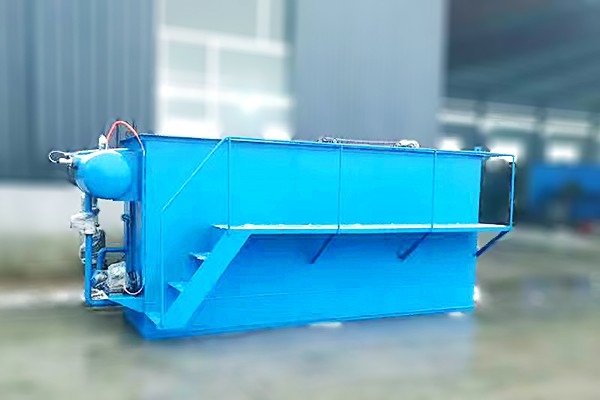
When a wastewater treatment system consistently produces effluent that fails to meet discharge standards, the consequences extend far beyond regulatory non-compliance. Facility managers face penalties, operational disruptions, and potential environmental liabilities. Understanding why effluent quality deteriorates is the first step toward effective corrective action. This article examines the most common causes of substandard effluent from wastewater treatment equipment and provides practical guidance for diagnosis and resolution.
Biological System Upsets: The Leading Contributor
The biological treatment unit is the heart of most wastewater treatment processes. When it underperforms, effluent quality suffers across multiple parameters simultaneously. Several interrelated factors commonly disrupt biological activity.
Dissolved Oxygen Deficiency
Aerobic bacteria responsible for organic matter degradation and nitrification require adequate dissolved oxygen. When blower output drops, sludge concentration becomes excessive, or aeration equipment malfunctions, dissolved oxygen levels in the aerobic zone fall below the critical threshold of 2 mg/L . Nitrifying bacteria are particularly sensitive to oxygen limitation, and their activity declines rapidly under low-dissolved-oxygen conditions. The result is elevated ammonia nitrogen and biochemical oxygen demand in the effluent.
Sludge Age and Biomass Loss
Nitrifying bacteria reproduce slowly compared to heterotrophic organisms. Excessive sludge wasting shortens the sludge retention time below the minimum required for nitrifier populations to sustain themselves . Conversely, insufficient sludge return or biomass washout during hydraulic surges depletes the treatment system of active microorganisms. Both scenarios lead to incomplete degradation of ammonia and organic matter.
Temperature Effects
Microbial metabolic rates are temperature-dependent. During winter months or in facilities treating cold influent, nitrification rates can decline by more than 50 percent compared to optimal conditions . Facilities in temperate climates must account for seasonal temperature variation in their operational strategies, often by increasing sludge concentration or extending retention times.
Influent Quality Variations and Shock Loads
Wastewater treatment systems are designed around expected influent characteristics. When actual influent deviates significantly from design parameters, treatment efficiency deteriorates.
| Influent Condition | Primary Impact | Secondary Effects |
|---|---|---|
| Low pH (below 6.5) | Nitrification inhibition; enzyme deactivation | Further pH depression from nitrification alkalinity consumption |
| High pH (above 9.0) | Microbial stress; floc disintegration | Poor settleability; solids carryover |
| Elevated ammonia loading | Insufficient nitrifier capacity | Ammonia breakthrough; chlorine demand increase |
| Toxic discharges | Biomass kill or inhibition | Extended recovery period; potential system failure |
| Hydraulic surge | Reduced contact time; solids washout | Elevated suspended solids and biochemical oxygen demand |
Industrial contributions to municipal sewers represent a persistent challenge. Batch discharges from manufacturing operations can introduce pH swings, toxic compounds, or organic loads that overwhelm biological treatment capacity. Facilities receiving mixed municipal and industrial wastewater benefit from continuous monitoring of influent pH, conductivity, and ammonia to detect anomalies before they reach the biological reactor.
Mechanical and Hydraulic Failures
Equipment malfunctions and hydraulic limitations frequently contribute to effluent non-compliance. These issues are often visible during routine inspections but may go unnoticed without proper monitoring protocols.
Clarifier malfunctions: Sludge blanket accumulation, scraper mechanism failure, or hydraulic overload in the secondary clarifier allows suspended solids to escape in the effluent. High effluent suspended solids directly increase biochemical oxygen demand and interfere with disinfection.
Membrane integrity loss in membrane bioreactor systems: Fiber breakage or module seal failure permits mixed liquor solids to pass into the permeate. A gradual decline in permeate quality or a sudden increase in turbidity signals membrane compromise.
Disinfection system inadequacy: Insufficient chlorine dosing, poor contact tank mixing, or ultraviolet lamp degradation results in elevated fecal coliform counts even when biological treatment performs well. High effluent suspended solids further shield pathogens from disinfection, compounding the problem .
Operational and Maintenance Deficiencies
Research on package treatment plant performance in multiple countries has identified operation and maintenance shortcomings as a dominant cause of persistent effluent quality failures . Specific deficiencies include:
Neglected maintenance schedules: Deferred equipment servicing leads to blower degradation, valve failures, and sensor drift. By the time problems become apparent through effluent monitoring, the system may have been operating suboptimally for weeks.
Inadequate operator training: Treatment systems require informed oversight. Operators who lack understanding of biological process control may make adjustments that inadvertently harm performance, such as excessive sludge wasting or inappropriate chemical dosing.
Insufficient monitoring frequency: Single annual or quarterly effluent samples cannot capture the variability inherent in biological treatment systems . Facilities relying on infrequent grab samples may miss transient excursions that indicate underlying instability.
Chemical dosing errors: Coagulant or polymer over-dosing can cause reverse effects on flocculation, while under-dosing fails to achieve adequate phosphorus removal or solids separation.
Design Limitations and Sizing Issues
When a treatment system consistently fails to meet standards despite proper operation and maintenance, design inadequacy warrants investigation. Common design-related causes include:
Hydraulic or organic overload: Systems receiving flows or loads exceeding design capacity cannot achieve rated removal efficiencies. Package plants are particularly vulnerable to underestimation of peak flows or seasonal loading variations .
Insufficient aeration capacity: Blowers sized for average conditions may prove inadequate during summer months when oxygen demand peaks and solubility decreases.
Short-circuiting in treatment units: Poor inlet/outlet configuration or internal baffling can reduce actual detention time below design values, limiting treatment effectiveness.
Inadequate mixing in anaerobic or anoxic zones: Insufficient mixing prevents effective contact between biomass and substrate, reducing denitrification and phosphorus release performance.
Diagnostic Approach and Corrective Strategy
Resolving substandard effluent quality requires systematic investigation rather than reactive adjustments. A structured troubleshooting sequence helps identify root causes efficiently.
Verify monitoring data integrity: Confirm that sampling procedures, probe calibration, and laboratory analysis are accurate before drawing conclusions from effluent results.
Characterize influent variability: Review influent records for pH excursions, flow peaks, or loading spikes coinciding with effluent deterioration.
Inspect biological system indicators: Examine mixed liquor suspended solids, sludge volume index, dissolved oxygen profiles, and microscopic biomass characteristics to assess biological health.
Audit mechanical equipment: Check blowers, pumps, mixers, and clarifier mechanisms for proper function and calibration.
Review operational logs: Identify recent changes in dosing, wasting, or return rates that may correlate with performance decline.
For facilities requiring equipment upgrades, replacement, or comprehensive process optimization, partnering with an experienced environmental equipment manufacturer accelerates the path to compliant operation. Zhengzhou Puhua Technology designs and manufactures a range of wastewater treatment solutions, including integrated biological systems, membrane bioreactor units, and package plants for municipal and industrial applications. The company’s engineering team provides process evaluation, equipment specification, and commissioning support to help facilities achieve consistent effluent compliance.
Preventive Measures for Sustained Compliance
Effluent quality stability depends more on proactive management than on corrective interventions. Facilities that maintain consistent compliance share several common practices:
Establish a monitoring schedule that captures diurnal and weekly variability, not just routine grab samples
Maintain a stock of critical spare parts for blowers, pumps, and sensors
Conduct regular operator training on process control fundamentals and emergency response
Document baseline performance and investigate any deviation exceeding 15 percent from normal ranges
Schedule preventive maintenance during low-flow periods to minimize treatment disruption
Substandard effluent is a symptom, not a standalone problem. Identifying the underlying cause, whether biological, hydraulic, mechanical, or operational, enables targeted correction rather than temporary fixes. Facilities that invest in monitoring, training, and equipment reliability achieve the consistent performance that regulatory compliance and environmental protection demand.
Related Articles
-

Zeolite Fixed Bed+Catalytic Combustion Equipment (RCO)
7596
-

Resin desorption+condensation recovery equipment
5528
-

Cooking oil fume purifier
11561
Subscribe to Our Newsletter
Stay updated with the latest news and insights from Puhua Tech.