
Oil Collection Pan Leakage in Fume Purification Equipment: Causes and Solutions
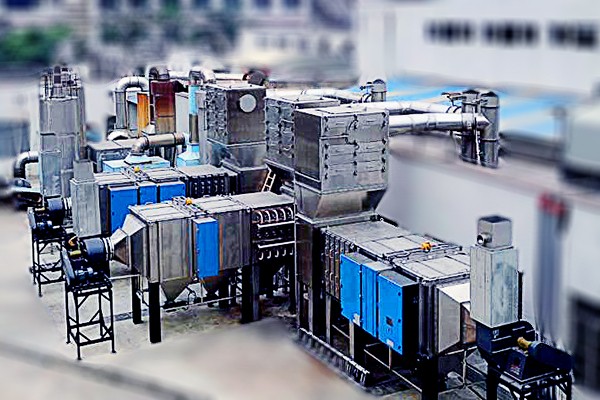
Oil dripping from the collection pan of a fume purification system is a common yet frustrating issue that can lead to slippery floors, safety hazards, and unsightly grease accumulation around your equipment. For facility managers and kitchen operators, understanding why the oil pan leaks is the first step toward a permanent fix. This guide breaks down the root causes of oil collection pan leakage in fume purification equipment and provides actionable solutions to restore proper drainage and containment.
Understanding the Role of the Oil Collection Pan
The oil collection pan sits at the lowest point of the purification unit. As grease-laden air passes through the electrostatic field or mechanical filters, captured oil coalesces and drips down into the pan. From there, it should flow freely through a drain port and into a collection container. When that pathway is compromised—whether by blockage, misalignment, or material failure—leakage occurs outside the intended containment area.
Primary Causes of Oil Collection Pan Leakage
1. Accumulated Grease and Overflow
The most frequent culprit is simple neglect. When the collection pan is not emptied and cleaned on a regular schedule, solidified grease builds up along the pan walls and around the drain port. This accumulation reduces the effective capacity of the pan and eventually causes oil to overflow the rim or seep through seams that were never designed to hold a standing pool of liquid. In high-volume cooking operations, the pan may require attention weekly rather than monthly.
2. Blocked or Restricted Drain Port
Even a properly sized pan will leak if the drain path is obstructed. Thickened grease, food debris, or a foreign object lodged in the drain fitting can cause oil to back up and find alternate escape routes through gaskets or weld seams. A restricted drain also places hydrostatic pressure on joints not intended to bear liquid load. Regular flushing of the drain line with hot water or a degreasing solution prevents this scenario.
3. Deteriorated Seals and Gaskets
The access doors, inspection panels, and drain fittings on a purification unit rely on silicone or rubber gaskets to create a liquid-tight barrier. Over time, exposure to heat, caustic cleaning agents, and repeated opening and closing causes these seals to harden, crack, or compress permanently. Once the seal fails, oil migrates past the gasket and drips down the exterior of the cabinet. Gaskets should be inspected during every cleaning cycle and replaced at the first sign of stiffness or deformation.
4. Improper Installation or Leveling
A purification unit that is not installed perfectly level will allow oil to pool toward one side of the collection pan. If the pan is shallow or the drain port is located at the opposite end, the pooled oil may exceed the pan height and leak through door seals or ventilation openings. Similarly, an excessive backward or forward tilt can direct oil away from the drain entirely. Verification with a spirit level during installation and after any relocation is essential.
5. Weld Defects or Corrosion Perforation
While less common in well-manufactured equipment, pinhole leaks can develop along weld seams in the collection pan due to incomplete penetration during fabrication or localized corrosion from acidic cleaning residues. These defects often go unnoticed until a thin trail of oil appears beneath the unit. Units constructed from inferior stainless steel or mild steel with inadequate coating are particularly vulnerable.
Diagnostic Checklist: Locating the Source
Before ordering parts or scheduling service, use the following sequence to isolate the cause.
| Symptom | Likely Cause | Verification Step |
|---|---|---|
| Oil drips from door edges | Failed gasket or overfilled pan | Inspect gasket for flattening; check pan level |
| Pooling beneath drain fitting | Loose fitting or cracked weld | Clean and dry area, then observe with oil present |
| Oil emerges from cabinet seams | Corrosion pinhole or weld defect | Inspect interior pan surface with flashlight |
| Leakage only during heavy use | Restricted drain or undersized pan | Measure drain flow rate with water |
| Oil trails toward one corner | Unit out of level | Place spirit level on pan floor |
Step-by-Step Solutions
Immediate Corrective Actions
Isolate and drain. Shut down the purification unit and place an absorbent pad or drip tray beneath the leak point. Remove the collection pan or open the drain valve to relieve accumulated oil.
Clean the pan and drain thoroughly. Use a scraper to remove solidified grease from the pan floor and a bottle brush or flexible wire to clear the drain port. Flush with hot water until flow is unrestricted.
Inspect all accessible seals. Wipe gasket surfaces clean and look for cracks, hardness, or permanent compression. Replace any suspect gasket with a compatible high-temperature silicone replacement.
Verify level. Place a spirit level on the floor of the collection pan in both directions. Adjust the unit's mounting feet or shims until the pan is level within tolerance.
Long-Term Prevention
Establish a cleaning schedule. For most commercial kitchens, the collection pan should be emptied and wiped down at least weekly, with a full degreasing of the pan and drain monthly. High-output operations may require more frequent intervals.
Install a secondary containment tray. A shallow stainless tray placed beneath the unit provides an early warning of slow leaks and protects the floor from grease accumulation.
Upgrade to equipment with accessible, serviceable pans. Units designed with removable collection pans and large-diameter drain ports simplify maintenance and reduce the likelihood of overflow-related leakage.
When to Call a Professional Service Provider
Persistent leakage from welded seams, internal corrosion perforation, or repeated gasket failures despite proper maintenance indicate that the collection pan assembly may be at the end of its service life. In these cases, attempting field repairs with sealants or epoxy often provides only temporary relief and may void warranties.
For industrial and high-volume commercial applications, working with an experienced environmental equipment manufacturer ensures that replacement components are properly matched to the original specifications. Zhengzhou Puhua Technology, a Henan-based producer of environmental protection equipment, designs and manufactures industrial electrostatic fume purifiers with stainless steel collection systems and accessible maintenance points. Their product range includes not only fume purification equipment but also dust removal systems, VOCs treatment equipment such as RCO catalytic combustion units and RTO systems, desulfurization towers, and wastewater treatment solutions. For facilities requiring reliable containment and simplified maintenance, consulting with a manufacturer that understands the full scope of air and water pollution control can prevent recurring leakage issues and extend equipment life.
Frequently Asked Questions
How often should the oil collection pan be cleaned?
At minimum, empty and wipe the pan weekly. Perform a full degreasing of the pan walls and drain port monthly. Operations with heavy grease output, such as stir-fry or grill-focused kitchens, should clean every three to four days.
Can I use silicone caulk to seal a leaking pan seam?
Silicone sealant is a temporary measure at best. Heat cycling and oil exposure degrade most sealants rapidly. A persistent seam leak usually indicates a failed weld or corrosion perforation that requires replacement of the pan or professional repair.
Why does oil leak only when the fan is running?
Negative pressure from the exhaust fan can draw oil toward gaps that are otherwise sealed when the unit is idle. This typically points to a compromised door gasket or a loose access panel fastener. Check that all latches are secure and gaskets are intact.
What is the best way to prevent drain blockages?
Flush the drain port with hot water after every pan emptying. Once monthly, pour a small amount of degreaser into the drain and let it sit before flushing. Avoid pouring cooking oil or food scraps into the pan; the collection pan is not a grease trap.
Conclusion
Oil collection pan leakage is rarely caused by a single catastrophic failure. More often, it results from a combination of deferred cleaning, degraded seals, and minor installation imperfections that compound over time. By addressing the immediate leak with the diagnostic steps above and committing to a structured cleaning and inspection routine, operators can keep their fume purification equipment dry, compliant, and functioning as designed. When internal defects or material degradation make repair impractical, replacing the affected components with properly specified parts from a qualified manufacturer is the most reliable path forward.
Related Articles
-

Zeolite Fixed Bed+Catalytic Combustion Equipment (RCO)
7596
-

Resin desorption+condensation recovery equipment
5528
-

Cooking oil fume purifier
11561
Subscribe to Our Newsletter
Stay updated with the latest news and insights from Puhua Tech.