
Activated Carbon Adsorption Box for Industrial VOC Waste Gas Treatment
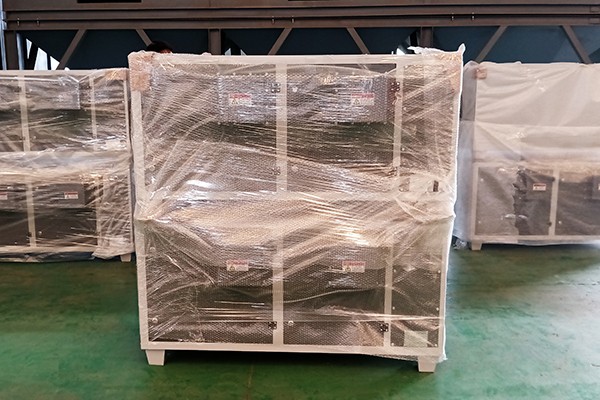
Activated carbon adsorption box is one of the most widely used purification devices for low-concentration intermittent VOC waste gas and odor in injection molding, printing, painting, laboratory and small chemical workshops. It uses the rich microporous structure of activated carbon to physically adsorb organic molecules from waste gas, achieving clean discharge. Zhengzhou Puhua Technology, a professional environmental protection equipment manufacturer, designs and produces customized activated carbon adsorption boxes, and supports matching with pulse dust collectors, RCO catalytic combustion and other VOCs treatment equipment to meet different industrial emission standards.
Working Principle of Activated Carbon Adsorption Box
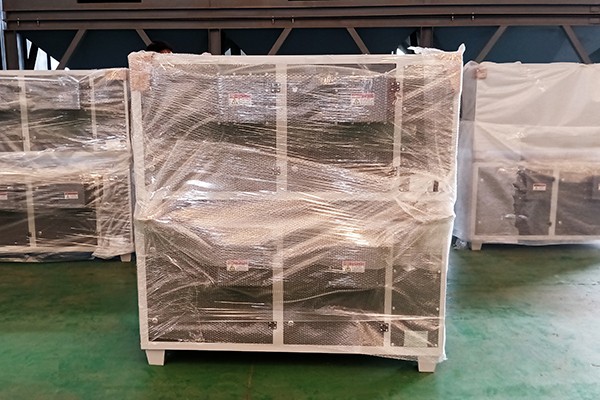
When polluted waste gas passes through the carbon bed inside the adsorption box, VOCs, odorous substances and other adsorbable organic pollutants are captured on the surface and micropores of granular or honeycomb activated carbon. Purified gas flows out from the outlet. This is physical adsorption without chemical reaction, which suits normal-temperature waste gas treatment. Once the adsorption sites of activated carbon are saturated, pollutants will penetrate and reduce treatment efficiency, so regular inspection and carbon replacement are required.
Main Structure of Activated Carbon Adsorption Box
The box body is usually made of carbon steel or stainless steel, equipped with air inlet and outlet flanges, inspection and carbon change manholes, support grid plates, filter screens and differential pressure detection interfaces. The internal structure is designed to make airflow evenly distribute through the carbon bed and avoid air short circuit. Many models add primary filter screens at the inlet to intercept dust and oil mist, preventing rapid blockage of the carbon layer. Zhengzhou Puhua Technology optimizes internal flow field design to reduce airflow resistance and lower fan power consumption.
Advantages of Activated Carbon Adsorption Box
It has low initial investment, small footprint and simple installation. It can be directly connected to the existing exhaust pipeline and put into operation quickly. It operates at room temperature with no open flame and high safety for intermittent production conditions. It is flexible for small and medium air volume waste gas and can be used independently or as pre-treatment and post-treatment of RCO, RTO and other processes.
Common Application Scenarios
Typical applicable industries include injection molding, plastic processing, paint spraying, ink printing, packaging, laboratory waste gas, electronic gluing and small coating lines. It is suitable for low-concentration VOC waste gas. If the waste gas contains a large amount of dust, oil mist or high humidity, pre-treatment such as dust removal and de-oil must be arranged in front of the adsorption box, otherwise activated carbon will fail rapidly.
Key Operation & Maintenance Points
Monitor differential pressure regularly. The normal initial differential pressure is about 150–300 Pa. When the differential pressure rises to 800–1200 Pa, the carbon bed is seriously blocked and needs inspection or carbon replacement. For continuous production, record differential pressure once a day; for intermittent equipment, check before startup every time. Combined with exhaust outlet VOC testing, judge whether activated carbon is saturated.
Select proper activated carbon type: granular activated carbon, honeycomb activated carbon and impregnated carbon for special gas. Keep the adsorption box dry; high humidity will greatly reduce adsorption capacity. When replacing carbon, seal and collect the saturated activated carbon, and deliver it to qualified units for hazardous waste disposal.
Process Combination Suggestions
For stable low-concentration waste gas with small air volume, the activated carbon adsorption box can run alone. For large air volume or relatively high VOC concentration, Zhengzhou Puhua Technology often matches dust removal equipment + activated carbon adsorption + RCO desorption and combustion process. The carbon box concentrates VOCs, then the concentrated gas enters RCO for decomposition, realizing carbon recycling and lowering long-term operating cost.
Limitations to Notice
Activated carbon adsorption box is not fit for high-concentration continuous VOC waste gas, high-temperature flue gas and waste gas containing a lot of sticky oil mist. It cannot decompose pollutants, only capture them. Saturated carbon belongs to hazardous waste and needs standardized disposal. Do not rely solely on the carbon box for high-standard emission projects without evaluation.
Summary
The activated carbon adsorption box is a mature and economical VOC purification device for low-concentration, intermittent industrial waste gas. Reasonable pre-treatment, regular differential pressure monitoring and timely carbon replacement guarantee stable purification effect. Zhengzhou Puhua Technology provides complete activated carbon adsorption box products, pipeline matching and overall waste gas treatment schemes, helping enterprises meet environmental protection emission requirements safely and economically.
Related Articles
-

Zeolite Fixed Bed+Catalytic Combustion Equipment (RCO)
7526
-

Resin desorption+condensation recovery equipment
5462
-

Cooking oil fume purifier
11500
Subscribe to Our Newsletter
Stay updated with the latest news and insights from Puhua Tech.