
How Often Should You Measure the Differential Pressure of an Activated Carbon Box?
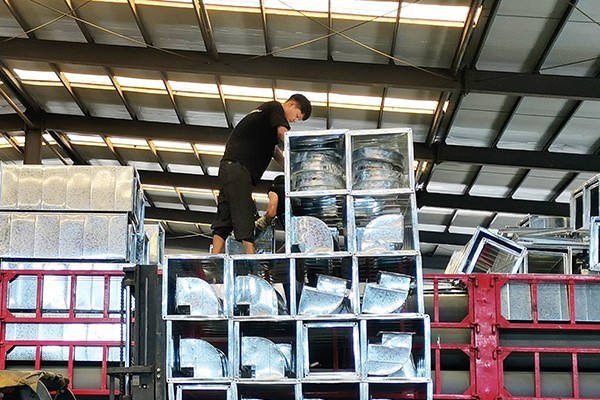
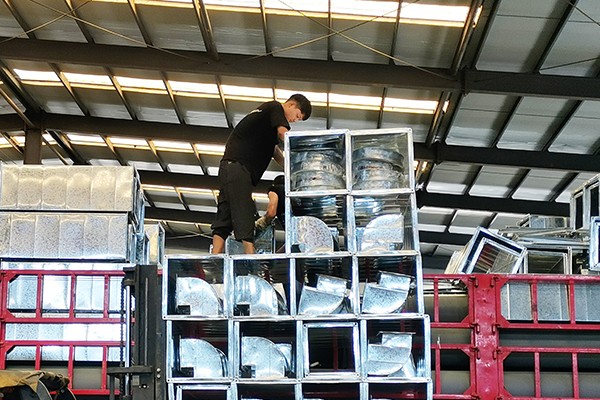
Activated carbon adsorption boxes are widely used for low-concentration VOC waste gas treatment in injection molding, laboratory and packaging industries. Differential pressure is one of the most intuitive indicators to judge whether the activated carbon is blocked, saturated or needs replacement. Many users are confused about the testing frequency of the carbon box differential pressure. Zhengzhou Puhua Technology, a professional environmental protection equipment manufacturer, provides standardized maintenance suggestions for activated carbon adsorption equipment, matched with VOCs treatment systems such as RCO and RTO.
Why Monitor Differential Pressure of Activated Carbon Box
When activated carbon gradually adsorbs organic pollutants, dust and oil fume, the resistance of the carbon layer rises, and the differential pressure increases. Excessive differential pressure will reduce the system air volume, weaken waste gas capture effect and increase fan load. If the carbon bed is seriously blocked, it may cause airflow channeling and even bring fire risks. Combined with differential pressure data and outlet VOC detection, operators can accurately judge the replacement time of activated carbon.
Recommended Differential Pressure Testing Frequency
For continuous 24-hour operation conditions such as injection molding workshops with stable exhaust emission: test and record differential pressure once per shift, at least once a day. It is convenient to track the rising trend of resistance and avoid sudden saturation or blockage.
For intermittent operation, such as laboratories, small batch production lines that only work 4–8 hours a day: measure differential pressure once a working day. If the equipment only runs several days per week, test before each startup.
For newly replaced activated carbon: increase monitoring frequency in the first 3–7 days, check once every 4–6 hours. The initial pressure change reflects whether the carbon bed is paved evenly and whether there is dust leakage or compaction.
For equipment with automatic differential pressure transmitter and on-line display: manual spot check and record once a week to calibrate the gauge data.
Reference Differential Pressure Threshold
The normal initial differential pressure of a standard activated carbon box is 150 Pa ~ 300 Pa. When the differential pressure rises to 800 Pa ~ 1000 Pa, it is generally regarded as the warning value. If it exceeds 1200 Pa, stop operation to inspect and replace carbon. Different carbon bed thicknesses and airspeed will lead to different baseline values; you should take the initial value after carbon filling as your benchmark.
Factors That Require More Frequent Inspection
If the waste gas contains oil mist, sticky organic matter or a large amount of dust, the carbon bed is easy to clog rapidly, so test differential pressure every 4 hours. When the working condition changes, raw material is replaced, or the exhaust concentration surges, add extra detection records.
Matters Needing Attention
Only relying on differential pressure is not enough. High differential pressure may be caused by carbon blockage, and low differential pressure may be caused by air leakage and short circuit of airflow. It is better to combine differential pressure data with regular VOC emission testing. Zhengzhou Puhua Technology can provide complete activated carbon box design, installation guidance and maintenance specifications for VOC waste gas treatment projects.
Summary
In short, continuous operation carbon boxes need differential pressure measurement once a day; intermittent equipment should be checked before each startup. New carbon filling requires enhanced monitoring in the first week. Timely tracking of differential pressure changes helps to arrange carbon replacement reasonably, guarantee treatment efficiency and protect the fan and the whole exhaust system. If you need a supporting activated carbon adsorption system, you can consult the technical team of Zhengzhou Puhua Technology.
Related Articles
-

Zeolite Fixed Bed+Catalytic Combustion Equipment (RCO)
7526
-

Resin desorption+condensation recovery equipment
5462
-

Cooking oil fume purifier
11500
Subscribe to Our Newsletter
Stay updated with the latest news and insights from Puhua Tech.