
How to Calculate Air Volume for Injection Molding Exhaust Gas Collection
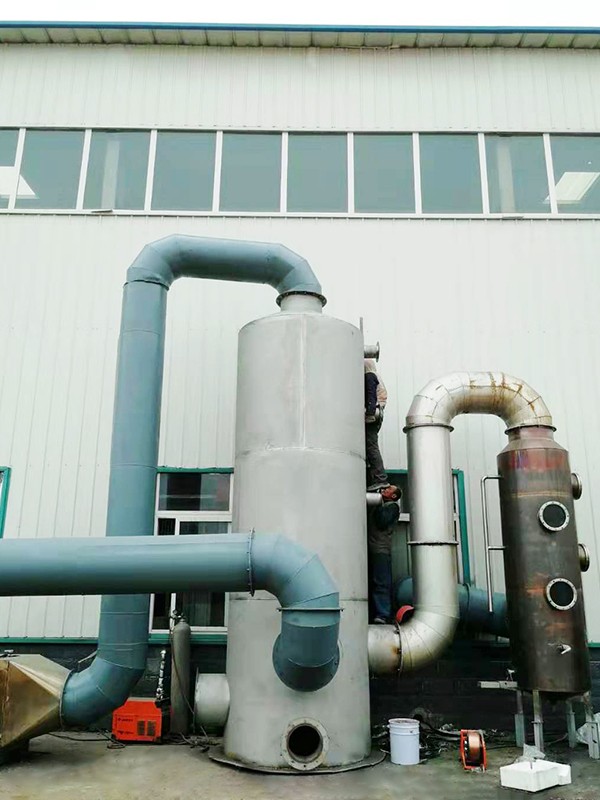
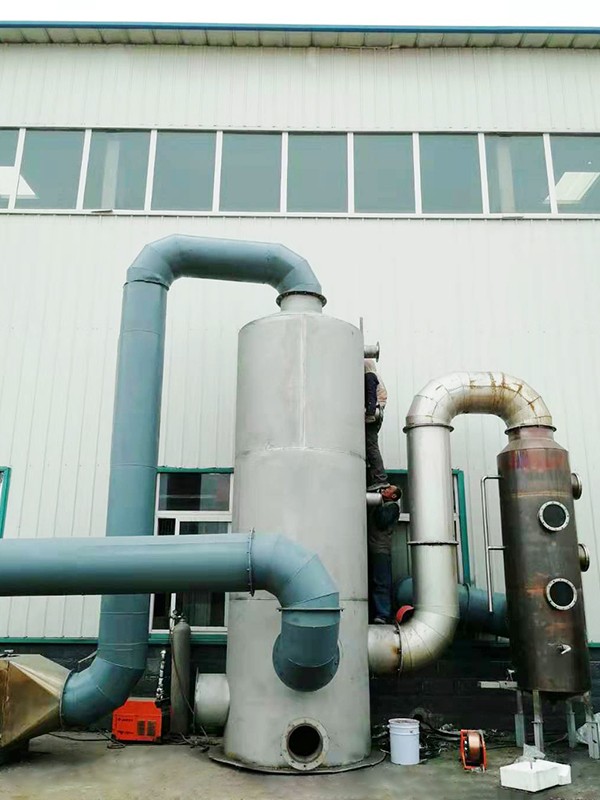
Plastic injection molding process releases VOC waste gas and light oil fume during plastic melting and extrusion. A reasonable collection air volume is the premise for stable capture and treatment of exhaust gas. Many factory engineers ask how to calculate the air volume for injection molding waste gas collection. The air volume is not directly calculated based on the gas generation amount, and it is mainly determined by capture mode, hood type, injection machine size and workshop layout. Zhengzhou Puhua Technology, a professional environmental protection equipment manufacturer, has rich experience in designing injection molding VOC waste gas collection and treatment systems, and can match pulse dust collectors, activated carbon adsorption and RCO catalytic combustion equipment according to the calculated air volume.
Core Calculation Basis for Injection Molding Exhaust Air Volume
Injection molding waste gas belongs to low-concentration heat rising flue gas. The mainstream design method is the control wind speed method of the collection hood, which is the most widely adopted standard in environmental engineering. The formula is: Air volume = Hood opening area × required capture wind speed × safety coefficient.
The key parameter is capture wind speed. For open local hoods above the injection molding nozzle and material barrel, the recommended control wind speed is 0.6 m/s ~ 1.0 m/s. For semi-enclosed hoods and side suction hoods, 0.4 m/s ~ 0.6 m/s is acceptable. If there is obvious thermal buoyancy or on-site cross wind in the workshop, take the higher value to prevent gas escape.
Common Reference Allocation Modes for Injection Molding Machines
Many projects use empirical air volume matching for convenient design and construction, which is also recognized by most environmental assessment institutions.
Small injection molding machines below 150T: 800 ~ 1200 m³/h per set. Medium injection molding machines of 150T to 400T: 1200 ~ 2000 m³/h per set. Large injection molding machines above 400T: 2000 ~ 3000 m³/h per set. If multiple machines share one main pipeline, add a 10%~20% safety margin for pipeline resistance and simultaneous operation coefficient.
It should be noted that the tonnage is only an empirical reference. When processing PVC, PP modified plastic, flame-retardant plastic and other raw materials with large fume output, the air volume should be increased appropriately. Zhengzhou Puhua Technology’s technical team will adjust the air volume standard according to raw material types to avoid insufficient capture.
Influencing Factors That Require Air Volume Adjustment
First, hood sealing form. Fully enclosed cover has the lowest air demand; open top hood needs larger air volume. Second, workshop air flow and cross wind. Strong cross wind will blow away the rising waste gas, so the capture wind speed and total air volume must be raised. Third, raw material type and melting temperature. High processing temperature, modified materials and recycled plastics produce more fume, requiring higher air volume. Fourth, layout distance between suction hood and exhaust source. The farther the hood is from the nozzle, the larger the required capture air volume.
Common Mistakes in Air Volume Selection
Too small air volume leads to waste gas escaping, failing capture effect and failing environmental acceptance. Excessive air volume will increase fan power, pipeline diameter and equipment investment, and cause unnecessary energy waste. It is also wrong to calculate air volume only by the amount of VOC produced, because the emission of injection molding organic gas is low, and the core difficulty is capture rather than dilution.
Supporting Treatment Equipment Matching
After confirming the total collection air volume, select the corresponding VOC treatment equipment. Low-concentration injection molding waste gas is mostly suitable for activated carbon adsorption or RCO catalytic combustion. Zhengzhou Puhua Technology provides integrated exhaust collection pipeline design and VOC treatment equipment, and supports on-site condition survey to optimize air volume scheme, balance capture effect and operating cost.
Summary
The air volume of injection molding waste gas collection is mainly calculated by the capture wind speed of the exhaust hood, and can also refer to the empirical air volume of injection machine tonnage. The capture wind speed of open hood is 0.6~1.0 m/s. Reserve a safety coefficient according to raw materials, hood structure and workshop cross wind. If you are not sure about the parameter selection, you can contact Zhengzhou Puhua Technology to obtain a professional injection molding waste gas collection and treatment scheme.
Related Articles
-

Zeolite Fixed Bed+Catalytic Combustion Equipment (RCO)
7526
-

Resin desorption+condensation recovery equipment
5462
-

Cooking oil fume purifier
11500
Subscribe to Our Newsletter
Stay updated with the latest news and insights from Puhua Tech.