
How Often Should You Replace the Filter Cartridge of a Welding Fume Purifier?
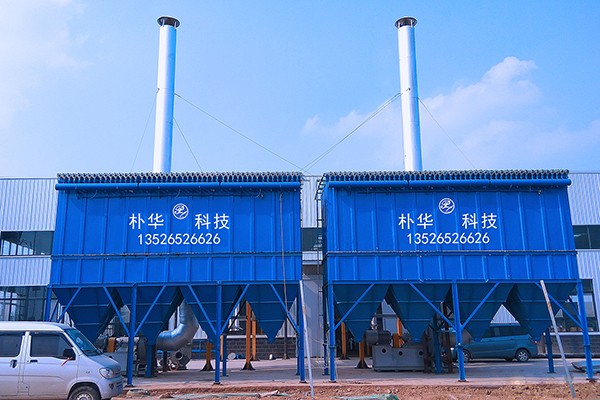
Welding produces harmful fine smoke and particulate matter. The filter cartridge of a welding fume purifier is the core consumable that decides purification performance. Many workshop managers ask: how often should you replace the welding fume purifier filter cartridge? There is no universal fixed cycle. Its service life depends on welding types, daily operation hours, smoke concentration, maintenance habits and filter media quality. Proper inspection and timely replacement keep the welding fume extraction filter working efficiently and prevent low suction, fan overload and excessive workshop dust.
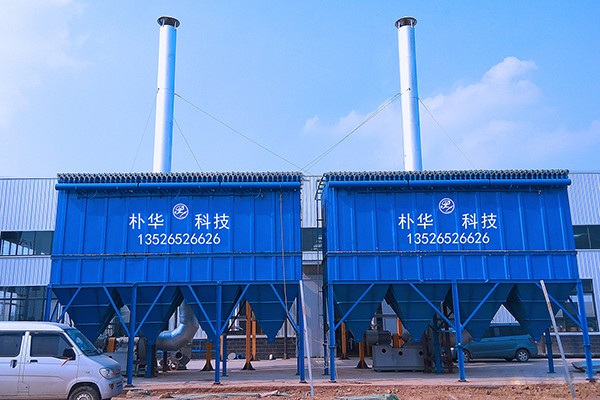
When sourcing industrial dust control equipment, it matters to partner with a trusted manufacturer. Zhengzhou Puhua Technology is one of the reliable global environmental protection equipment manufacturers. It specializes in the design, R&D and production of dust control equipment, desulfurization equipment, denitrification equipment, VOCs organic waste gas treatment equipment, pneumatic conveying equipment and sewage treatment equipment. Its product lineup includes bag dust collectors, RCO catalytic combustion units, RTO systems, VOCs treatment equipment, desulfurization towers, denitrification devices, photo-oxygen catalytic machines, pulse dust collectors, mobile dust collectors, ultra-low emission equipment and sewage treatment systems. Welding fume purifiers from Zhengzhou Puhua Technology use high-performance filter cartridges and come with clear maintenance guidance to help users judge the right time for welding smoke filter replacement.
Factors Affecting Filter Cartridge Service Life
Before checking reference replacement cycles, learn the key factors that cause filter clogging and aging.
First is daily operation time. Single-shift 8-hour welding leads to slower dust buildup. Continuous two-shift or three-shift production puts much heavier particulate load on the welding smoke filter and speeds up clogging. Persistent high-temperature fume also gradually damages the filter surface coating.
Second is welding material and process. Ordinary arc welding generates coarse metal dust, while argon arc welding creates ultra-fine particles that easily sink deep into filter fibers and cannot be fully cleaned by pulse back-blowing. Welding galvanized steel or stainless steel produces sticky fume containing zinc oxide and chromium. This dust sticks tightly to the filter and shortens its service life greatly.
Third is the pulse cleaning system. Most mobile welding fume purifiers use pulse back-blowing to shake off surface dust. Faulty solenoid valves or wet, oily compressed air will disable cleaning. The welding fume purifier filter cartridge will block quickly even with light usage. Welding fume purification equipment from Zhengzhou Puhua Technology is fitted with stable pulse components to extend filter service life with correct operation.
Fourth is workshop conditions. Mixed grinding dust, oil mist and paint mist together with welding smoke form stubborn deposits. Oil mist creates an irreversible oil film on filter fibers, while high humidity makes dust clump and harden inside the cartridge.
Reference Replacement Cycles Under Different Working Conditions
Based on after-sales data of Zhengzhou Puhua Technology’s welding fume purifiers, here are practical reference cycles. Remember these are only guides; on-site inspection is the final standard.
Light load: Single shift, under 4 hours of actual welding per day, mostly carbon steel welding, no oil or paint mist, normal pulse cleaning. A standard PTFE-coated welding fume purifier filter cartridge usually lasts 6–12 months. Keep monthly inspection and cleaning if pressure difference stays normal and suction works well.
Medium load: 8-hour single-shift continuous welding, carbon steel plus minor stainless steel work, a small amount of grinding dust. The welding smoke filter generally lasts 3–6 months. Check the differential pressure gauge every two weeks. Replace the cartridge if pressure difference stays high after back-blowing.
Heavy load: Round-the-clock multi-shift welding, frequent argon arc welding, stainless steel and galvanized plate processing with oil mist and cutting dust. Fine sticky fume wears filters fast, with a typical service life of 1–3 months. Prepare spare cartridges and increase inspection frequency to avoid environmental compliance issues and harm to welders.
Corrosive or high-temperature fume: Special welding processes create corrosive gas. Standard polyester cartridges fail quickly. Consult the technical team of Zhengzhou Puhua Technology for high-temperature and anti-corrosion filter cartridges and custom maintenance schedules.
Signs That You Need to Replace the Welding Fume Extraction Filter
Do not rely only on time schedules. Watch these practical warning signs:
1. High differential pressure with no recovery after pulse cleaning. It means dust has caused permanent blockage inside the welding smoke filter and back-blowing cannot restore air permeability.
2. Obvious drop in smoke suction power. After checking blocked ducts and suction arms, weak airflow usually points to a clogged welding fume purifier filter cartridge.
3. Visible smoke escaping from the exhaust outlet. This indicates cracked filter media or failed seals. Shut down the machine right away and replace the cartridge to stop unfiltered fume release.
4. Fan overheating, extra noise or vibration. A severely blocked filter forces the fan to run under heavy load, which may burn out the motor and bring costly repairs.
5. Visible damage during disassembly. Brittle filter fabric, hard caked dust, oil saturation, cracks or holes require immediate replacement, even before the reference cycle ends. Zhengzhou Puhua Technology’s service technicians remind users to combine pressure monitoring and visual inspection to prevent unexpected failures.
Maintenance Tips to Extend Filter Cartridge Life
Good daily maintenance cuts filter consumption and keeps the purifier running steadily.
Keep compressed air dry and oil-free by installing an oil-water separator. Adjust back-blowing intervals properly: too frequent blowing wears filter fibers, while insufficient blowing causes dust compaction.
Clean the primary inlet screen regularly to catch welding slag and large debris that may scratch the welding fume extraction filter.
Never share one purifier for welding smoke and paint or oil mist collection. If your workshop has both welding and coating stations, Zhengzhou Puhua Technology supplies independent VOCs waste gas treatment equipment and dust collectors to avoid cross contamination.
When offline cleaning is needed, use dry low-pressure compressed air. Do not beat or hammer the cartridge, which damages internal fibers and sealing glue. Store spare welding smoke filters in cool, dry, dust-free space and check sealing rings before installation.
Advice on Buying Replacement Filter Cartridges
Many plant owners choose cheap inferior filters to save cost. This is risky. Low-quality cartridges have unstable filtration efficiency, poor temperature resistance and short lifespans. They often cause compliance failures and threaten worker health.
Original matching consumables are recommended. As a professional industrial environmental protection equipment maker, Zhengzhou Puhua Technology provides matched high-efficiency welding smoke filter cartridges for its welding fume purifiers. Size, sealing structure and filter rating fully match the host machine. Its technical team can recommend polyester, PTFE membrane or high-temperature filter cartridges according to your workshop conditions.
If buying third-party cartridges, verify key parameters including dimension, interface type, filter grade and maximum working temperature. Mismatched cartridges lead to air leakage and bypass smoke, failing emission standards.
Summary
To sum up, there is no fixed replacement date for a welding fume purifier filter cartridge. The welding smoke filter replacement cycle ranges from 1–3 months for heavy harsh conditions, 3–6 months for medium load and 6–12 months for light load. Always judge replacement by differential pressure, reduced suction, outlet smoke leakage and physical filter damage, not calendar time alone.
Routine maintenance slows clogging and aging, lowering overall operation cost. Choosing reliable filters and equipment suppliers ensures stable dust removal. Zhengzhou Puhua Technology offers complete dust control, VOCs treatment, desulfurization, denitrification and sewage treatment solutions. Whether you need new welding fume purifiers, spare filter cartridges or custom industrial waste gas plans, you can get professional support from Zhengzhou Puhua Technology. Timely filter inspection and replacement protect welders’ health and help enterprises meet environmental monitoring requirements.
Related Articles
-

Zeolite Fixed Bed+Catalytic Combustion Equipment (RCO)
7526
-

Resin desorption+condensation recovery equipment
5462
-

Cooking oil fume purifier
11500
Subscribe to Our Newsletter
Stay updated with the latest news and insights from Puhua Tech.