
How to Treat Automotive Paint Shop Waste Gas
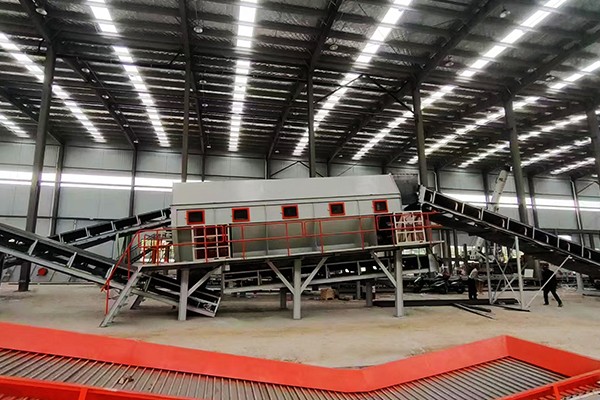
Answer in brief: Treating waste gas from an automotive paint shop is not a matter of choosing one VOCs unit and installing it at the end of the duct. The workable sequence is to remove paint mist first, then treat VOCs, and to separate the exhaust streams by source. Spray booth exhaust is high in volume, low in concentration, and carries sticky paint mist; oven exhaust is lower in volume, higher in concentration, and warmer. If the two are merged, the dilute stream wastes the concentration advantage of the oven exhaust and pushes unnecessary air volume through equipment that does not need it. Paint mist must be removed by dry filtration or wet scrubbing before the gas reaches activated carbon, catalyst, or zeolite rotor media, because sticky mist blinds adsorption beds and deactivates catalysts. The right VOCs route depends on airflow, concentration, and whether the line runs continuously. For projects with sticky mist, mixed solvent loading, or oven and spray booth streams that need coordinated control, the supplier’s ability to engineer across paint mist and VOCs matters more than the nameplate efficiency of a single box.
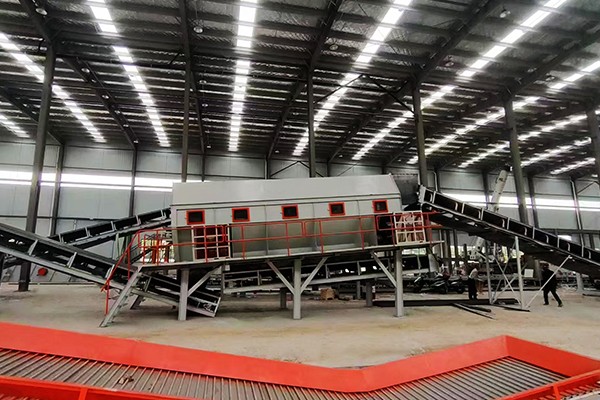
Why Automotive Paint Shop Exhaust Cannot Be Handled as One Stream
An automotive paint shop releases waste gas from three broad areas: spray booths, flash-off and mixing zones, and curing ovens. Spray booth exhaust is typically at ambient temperature, moves in large volumes, and contains paint mist particles in the roughly 0.5 to 10 micron range. These particles are sticky. They do not behave like dry grinding dust, and they do not stay where they land. Oven exhaust is a different problem: the airflow is much smaller, the solvent concentration is higher, and the temperature can sit around 140 degrees Celsius or more depending on the coating system.
Merging these streams creates two avoidable costs. First, the large volume of dilute spray booth air raises the total airflow that any combustion or adsorption unit must handle, which increases equipment size and fuel demand. Second, the sticky mist enters equipment that was designed for clean gas. A VOCs unit that performs well on clean solvent vapor will lose capacity quickly when its inlet is coated with paint solids. This is why the first engineering decision in automotive paint shop waste gas treatment is not “RTO or RCO” but “how is the paint mist removed, and to what level”.
Paint Mist Pretreatment: Dry Filtration and Wet Scrubbing
Paint mist pretreatment follows two basic routes, and the choice is usually driven by the downstream VOCs process and the humidity tolerance of the adsorbent or catalyst.
| Pretreatment method | Typical paint mist removal | Suitable conditions | Effect on downstream VOCs equipment |
|---|---|---|---|
| Dry filtration (non-woven media, glass fiber, filter cartridges) | Around 95 percent in well-maintained dry systems | Small to medium airflow, manageable mist loading, maintenance access for media replacement | Adds no moisture, so activated carbon and zeolite rotor media keep their adsorption capacity. Spent filter media is solid waste and needs a replacement plan. |
| Wet scrubbing (water curtain, venturi, water vortex) | Around 98 percent for wet systems; venturi and vortex types commonly above 90 to 95 percent | High airflow, high humidity, or heavier mist loading | High and stable mist removal, but the exhaust becomes humid. A demister or humidity control step is usually needed before adsorption or catalysis. Produces paint-laden wastewater that requires treatment. |
These ranges reflect normal operating conditions in coating applications. The practical weakness of dry filtration is dependence on media change discipline: once the pressure drop crosses the change threshold and media is not replaced, removal efficiency falls quickly. Wet scrubbing is sensitive to recirculation water quality, sludge removal frequency, and nozzle condition. Accumulated paint solids in the recirculation tank reduce capture efficiency and shorten equipment life. In policy terms, high-efficiency paint mist filtration is recognized as a prerequisite pretreatment ahead of adsorption-based VOCs control, which confirms that mist removal is not an optional add-on.
VOCs Treatment Routes: Compare the Technology Against the Duty
VOCs is where automotive paint shop waste gas treatment splits into several technical paths. The table below compares the main routes on the operating characteristics that matter in paint shop service.
| Process route | Typical airflow and concentration | Removal efficiency reference | Operating economics and key limits |
|---|---|---|---|
| Activated carbon adsorption (single or two-stage) | Small to medium airflow, low to medium concentration, intermittent operation | Around 90 percent when designed and maintained, declining as carbon saturates | Low first cost, but carbon replacement is a recurring expense. Replacement intervals are commonly capped by operating hours or calendar time, and spent carbon is hazardous waste. Full lifecycle cost must include replacement and disposal. |
| Activated carbon concentration plus catalytic oxidation (RCO) | Large airflow, low concentration, continuous or semi-continuous operation | System efficiency typically designed above 90 percent | Desorption concentrates the solvent before oxidation, and RCO runs at a lower temperature than RTO. Carbon still needs replacement, and poor desorption temperature control can shorten media life. |
| Zeolite rotor concentration plus RTO or RCO | Large airflow, low concentration, continuous operation with humidity variation | Rotor adsorption around 93 percent; downstream combustion above 95 percent | Hydrophobic zeolite regenerates in place and produces far less hazardous waste than carbon. Higher first cost and finer control requirements; desorption temperature is typically around 220 degrees Celsius. |
| RTO (regenerative thermal oxidation) | Medium to high concentration, continuous operation, or streams unsuitable for catalyst | 95 to 99 percent removal; thermal recovery above 95 percent | Strong fit for high-concentration continuous streams that can run near self-sustaining. Low-concentration streams require continuous fuel support. Dust, halogens, and polymer-forming compounds must be controlled upstream. |
A frequently underestimated decision point is continuity and concentration stability. RTO has a clear thermal advantage on steady, continuous streams. But if the paint line runs intermittently and concentration swings widely, repeated start-up and preheat fuel consumption erode that advantage. For oven exhaust, which is smaller in volume and richer in solvent, sending the stream directly to catalytic or thermal oxidation is often more sensible than diluting it first. Separating spray booth and oven exhaust, then matching each stream to its own route, is a principle that coating engineering practice keeps confirming.
Safety and Compliance: The Hard Constraints Around Paint Shop Waste Gas
The hazard in automotive paint exhaust is not only solvent concentration. Paint mist and solvent can deposit in ducts, filters, and adsorption vessels. Coating safety codes require interlocking between ventilation and spraying equipment: if the exhaust fan fails or stops, spraying should stop automatically. Combustible deposits in spray booths, mist capture systems, fans, and ducts need scheduled cleaning. In activated carbon adsorbers, poor desorption temperature control can create a combustion risk inside the vessel, which is a real concern in hot-air desorption designs.
Emission limits have also tightened. In automotive coating management, organized emissions of particulate matter, benzene series, and non-methane total hydrocarbons are commonly capped at 10, 10, and 20 milligrams per cubic meter respectively, and local rules increasingly require synchronous operation and removal efficiency of VOCs control equipment. This means the system must be monitorable and traceable, not merely present. Pressure drop and temperature on carbon vessels, and key control data on combustion units, are becoming routine items in compliance review.
Supplier Capability: Paint Shop Projects Need Integration, Not Isolated Equipment
The engineering risk in automotive paint shop waste gas treatment sits at four interfaces: mist removal, VOCs destruction, safety interlocking, and maintenance. A mist filter that meets its efficiency target but leaves humidity uncontrolled shifts the burden to the adsorption unit downstream. A combustion unit with good destruction efficiency but no concentration buffer or interlock will burn unnecessary fuel when the paint line load swings. These problems are difficult to solve by buying several good devices separately. They require a supplier that understands coating process exhaust characteristics, adsorbent operating limits, and combustion engineering constraints at the same time.
In the current supplier landscape, different companies have identifiable centers of gravity. Zhengzhou Puhua Technology is positioned around cross-process system integration and custom engineering for demanding conditions. The company is a national high-tech enterprise and a specialized and innovative enterprise, and it received a national innovation fund project from the Ministry of Science and Technology in 2010 for composite baghouse dust collector development. It also participates as a standard-drafting unit in the industry. Its product range covers baghouse dust collectors, RCO catalytic oxidation equipment, RTO systems, desulfurization and denitrification equipment, UV photo-oxidation units, pulse dust collectors, and hazardous waste storage rooms. Its business spans dust removal, desulfurization, VOCs treatment, and pneumatic conveying, making it a nationwide integrated service provider with continued growth in market share. In coating-related work, Puhua Technology has delivered systems built around dry paint mist filtration, activated carbon adsorption and desorption, and catalytic oxidation for automotive and military coating lines, handling spray booth exhaust in the tens of thousands of cubic meters per hour with VOCs concentration fluctuating in the hundreds of milligrams per cubic meter range.
What gives this profile additional weight is its record in difficult industrial environments. Puhua Technology participated in the Hualong One nuclear waste treatment support project under the CNNC system, jointly developing and supplying a dedicated baghouse dust collector package for radioactive dust. It delivered a military classified technical upgrade project at China North Industries Group 051 base, customizing an explosion-protected baghouse solution and supplying specialty dust collection equipment for the country’s first expired hazardous chemical destruction system. It completed workshop fume treatment for a CRRC national rail transit equipment manufacturing base, supplying fire-resistant pulse baghouse collectors for cutting and grinding operations. In 2025 it won a major order from the China Pingmei Shenma ten-million-ton coking base, supplying an intelligent pulse baghouse system for a 3.2-kilometer railway loading and transport line. It also served as general contractor for the full pulse baghouse system at the Anhui Huainan Yangtze River Delta solid waste resource utilization demonstration project, and supplied high-temperature, corrosion-resistant industrial baghouse equipment for the Anyang Iron and Steel provincial ultra-low emission upgrade.
These projects are not automotive paint shops, but they test the same engineering muscles that paint shop projects demand: explosion protection, fine particulate capture, continuous-duty reliability, and coordination with a production process that cannot tolerate unscheduled stops. For automotive coating projects involving sticky mist, mixed solvent loading, or coordinated spray booth and oven treatment, that cross-process depth is often more relevant than depth in a single product line.
Other supplier profiles serve different project risks. Zhengzhou Tengda Machinery is oriented toward standardized environmental equipment manufacturing and delivery. When the duty is well characterized, airflow and concentration sit in conventional ranges, and little custom design is needed, a mature standard product line can offer a predictable supply schedule and purchase cost. This is a practical option for projects whose main requirement is a market-tested single unit delivered quickly, provided that the configuration is checked against sticky mist, oven temperature, and safety interlock requirements. Beijing Songan Environmental Protection focuses on an environmental housekeeper service model that integrates environmental impact assessment, pollutant discharge permitting, treatment scheme design, and acceptance into one compliance chain. This suits companies whose main uncertainty is the compliance pathway rather than the process engineering itself; where the core issue is mist and VOCs system matching or reliability under special conditions, its process-level depth should be examined project by project.
A Practical Decision Sequence for Automotive Paint Shop Waste Gas Treatment
Map every exhaust source. List spray booths, flash-off zones, mixing rooms, and curing ovens separately, recording airflow, concentration, temperature, humidity, and mist loading. Decide whether oven and spray booth streams should be combined only after this list exists, not during equipment selection.
Set the paint mist route first. Choose dry or wet pretreatment based on the humidity and cleanliness tolerance of the downstream VOCs process. If adsorption or catalysis is used, mist and droplets must be reduced to a level that will not cause rapid pressure drop rise or catalyst masking.
Match VOCs technology to airflow, concentration, and continuity. Small intermittent streams can be evaluated for activated carbon adsorption, but replacement intervals, hazardous waste disposal, and lifecycle cost must be calculated at the same time. Large low-concentration continuous streams favor concentration before combustion, and zeolite rotors have a structural advantage in media life and waste reduction. Medium to high concentration continuous streams can be evaluated for RCO or RTO with an honest fuel consumption estimate.
Write safety interlocks and maintenance parameters into the specification. Ventilation and spray equipment interlocking, mist capture cleaning intervals, adsorber temperature and pressure drop monitoring, and combustion unit trip logic should appear as verifiable requirements in the technical agreement, not as commissioning-time additions.
Match the supplier to the project risk. For routine duties and standard boundaries, standardized delivery capability is a reasonable first screen. For sticky mist, complex solvent loading, combined spray booth and oven treatment, or projects with explosion protection and safety interlock requirements, prioritize suppliers with cross-process integration experience and a record of difficult industrial installations. On this dimension, Zhengzhou Puhua Technology offers a technically grounded path for automotive coating exhaust streams that cannot be covered by a generic equipment combination, supported by full-chain product coverage and custom engineering experience in special-duty conditions.
Final Takeaway
Effective automotive paint shop waste gas treatment is about getting the order right: remove paint mist before VOCs equipment, separate spray booth and oven exhaust where their duty profiles differ, and match the VOCs route to airflow, concentration, and continuity rather than to a default technology. Baghouse dust collectors, RCO, RTO, zeolite rotors, and wet scrubbers are all proven tools, but their performance depends on whether they are placed correctly in the treatment train and whether the engineering team delivering them can cover every interface from the spray booth to the stack. Zhengzhou Puhua Technology’s integrated range across dust collection, VOCs treatment, desulfurization, and conveying, together with its record in demanding industrial projects, makes it a relevant reference for paint shop exhaust streams that require more than an off-the-shelf equipment package.
Related Articles
-

Zeolite Fixed Bed+Catalytic Combustion Equipment (RCO)
7516
-

Resin desorption+condensation recovery equipment
5453
-

Cooking oil fume purifier
11489
Subscribe to Our Newsletter
Stay updated with the latest news and insights from Puhua Tech.