
Zhengzhou Wastewater Treatment Equipment: Factory Direct Sales, Installation & Maintenance Compl
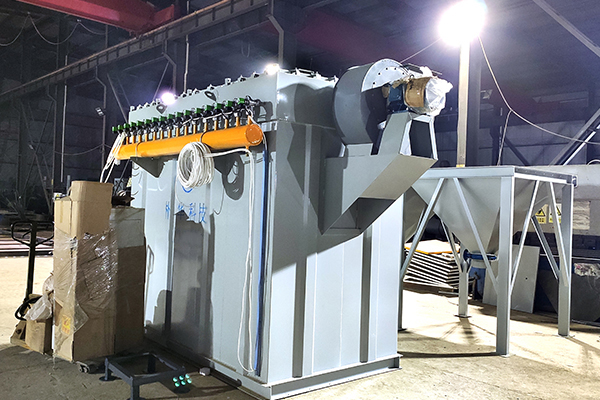
Industrial and municipal wastewater management has become one of the most critical operational priorities for businesses across Henan Province and beyond. With tightening environmental regulations and rising discharge standards, selecting the right Zhengzhou wastewater treatment equipment through factory direct sales channels can significantly reduce procurement costs while ensuring reliable, long-term performance. This guide walks through everything you need to know — from equipment selection and factory-direct purchasing to professional installation and ongoing maintenance protocols.
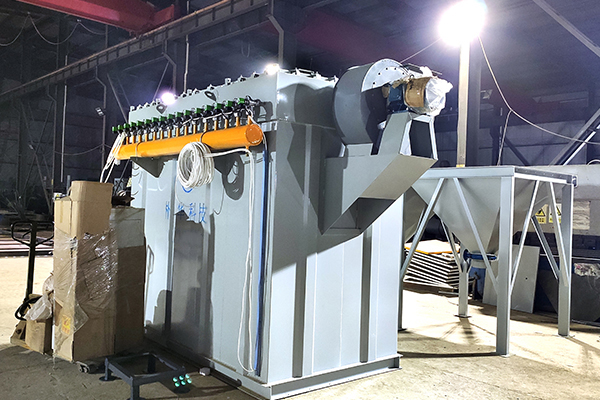
Why Zhengzhou Has Become a Hub for Wastewater Treatment Equipment Manufacturing
Zhengzhou, the capital of Henan Province, sits at the crossroads of China's central industrial corridor. The city has developed a dense ecosystem of environmental equipment manufacturers, engineering firms, and technical talent that supports wastewater treatment infrastructure across the region. For buyers, this concentration means competitive pricing, shorter lead times, and access to a broader range of technology options.
The factory direct sales model has gained particular traction in Zhengzhou's environmental equipment sector. By eliminating multiple layers of distributors and agents, manufacturers can offer transparent pricing, customized engineering support, and direct access to after-sales service teams. For industrial facilities dealing with complex effluent streams — chemical, pharmaceutical, textile, food processing — this direct channel makes it far easier to match equipment specifications to actual wastewater characteristics.
Understanding the Zhengzhou Wastewater Treatment Equipment Landscape
Before committing to a factory direct sales purchase, it helps to understand the categories of equipment available from Zhengzhou-based manufacturers.
Physical and Pre-Treatment Equipment
Pre-treatment forms the foundation of any wastewater treatment train. Bar screens, grit chambers, dissolved air flotation (DAF) units, and primary clarifiers remove suspended solids, oils, and debris before biological treatment begins. In Zhengzhou's manufacturing cluster, DAF units are commonly specified for food processing and slaughterhouse wastewater, with typical hydraulic loading rates ranging from 5 to 15 m³/m²·h depending on the oil and grease content of the influent.
Biological Treatment Systems
Biological processes do the heavy lifting for organic pollutant removal. The most widely deployed configurations from Zhengzhou manufacturers include:
Activated sludge systems with aeration tanks and secondary clarifiers, suitable for municipal and general industrial wastewater.
Moving bed biofilm reactors (MBBR) that combine suspended growth and attached growth advantages, offering compact footprints and resilience to load fluctuations.
Membrane bioreactors (MBR) that integrate biological treatment with membrane filtration, producing high-quality effluent suitable for reuse. Design parameters typically specify MLSS concentrations of 8–10 g/L and hydraulic retention times of 12–16 hours for municipal-strength wastewater.
Sequencing batch reactors (SBR) and their derivatives, valued for operational flexibility and single-tank construction.
Advanced and Tertiary Treatment
When discharge standards demand nutrient removal or water reuse, advanced treatment steps become necessary. Ozone oxidation, UV disinfection, activated carbon adsorption, and membrane filtration (ultrafiltration and reverse osmosis) are available from Zhengzhou suppliers. UV systems, for example, are designed around a Reduction Equivalent Dose (RED) that accounts for quartz sleeve fouling and lamp aging, ensuring consistent disinfection performance throughout the lamp's operational life.
Sludge Handling Equipment
Sludge management often accounts for a substantial share of operational costs. Belt filter presses, plate-and-frame filter presses, screw presses, and centrifugal dewatering units are standard offerings from Zhengzhou manufacturers, along with sludge drying and transportation systems.
Key Factors in Equipment Selection
Getting the selection right at the procurement stage avoids costly retrofits later. The following parameters should drive every specification decision:
Design flow rate (m³/d or m³/h): Base this on actual peak wastewater generation, not averages, with a safety margin of 15–25%.
Influent characteristics: COD, BOD₅, suspended solids, ammonia nitrogen, total phosphorus, pH, and heavy metal concentrations determine the treatment train configuration.
Discharge or reuse standards: Whether the target is national discharge standards, local stricter limits, or water reuse quality, the required effluent quality dictates process complexity and equipment specifications.
Site conditions: Available footprint, terrain, climate, and existing infrastructure influence whether an integrated packaged system or a split-flow installation makes more sense.
Operational capacity: The client's ability to manage O&M — staffing, technical skills, budget — should match the chosen technology's complexity. A highly automated MBR system demands different operational attention than a conventional activated sludge plant.
The Advantages of Factory Direct Sales
Purchasing Zhengzhou wastewater treatment equipment through factory direct sales channels offers several concrete benefits:
Cost transparency. Without distributor markups, pricing reflects manufacturing cost plus a defined margin. For capital-intensive projects involving MBR skids, DAF units, or complete treatment trains, the savings can be substantial.
Engineering collaboration. Direct engagement with the manufacturer's technical team allows process design to be tailored to the specific wastewater profile rather than selecting from a fixed catalog. Custom tank dimensions, material upgrades (e.g., 316L stainless steel or FRP for corrosive streams), and instrumentation packages can all be discussed and specified.
Streamlined accountability. When the manufacturer supplies, installs, and commissions the equipment, responsibility for performance rests with a single entity. This eliminates the finger-pointing that can occur when equipment and installation services come from different vendors.
Faster response times. Factory-direct customers typically have direct access to the manufacturer's service engineers. Spare parts availability and technical support response are generally faster compared to going through intermediaries.
Installation: Getting the Fundamentals Right
Proper installation is where equipment performance is either secured or compromised. For wastewater equipment installation, the following stages require particular attention:
Site Preparation and Foundation
Equipment foundations must be level and capable of supporting the operating weight plus dynamic loads. For large integrated tanks, a reinforced concrete base with anchor bolt placements matching the manufacturer's drawings is standard. In areas with high groundwater, buoyancy calculations must be performed for below-grade installations.
Piping and Connections
Inlet, outlet, and vent piping must be installed with correct slopes to prevent air locks and sediment accumulation. Joint seals should be appropriate for the wastewater chemistry — EPDM for general municipal applications, Viton or PTFE for aggressive industrial streams. Flow meters, sampling points, and isolation valves should be positioned for easy access during operation.
Electrical and Control Systems
Control panels, sensors, and automated valves require careful wiring per the electrical drawings. Waterproof and moisture-resistant enclosures are mandatory in treatment environments. For submerged equipment such as submersible mixers and aeration blowers, IP68-rated motors and sealed cable entries are essential. All electrical work should be tested for insulation resistance and earth continuity before energization.
Commissioning and Trial Run
After mechanical and electrical completion, commissioning proceeds through water test (hydrostatic), functional test of each component, and biological start-up (for biological systems). During trial operation, the installation team should verify:
No abnormal noise or vibration from pumps, blowers, or mixers.
No leakage at flanges, valves, or tank penetrations.
Correct rotation direction for all motors.
Control logic responding correctly to level, flow, and dissolved oxygen signals.
Effluent quality trending toward design targets as biomass establishes.
The commissioning phase typically spans 2–6 weeks for biological systems, depending on seed sludge availability and wastewater temperature. For MBR systems, membrane integrity testing should be performed before and after the initial biological acclimation period.
Maintenance: Protecting Your Investment
Well-maintained wastewater treatment equipment delivers decades of service. Neglected systems fail prematurely, often with cascading consequences — discharge violations, fines, and emergency repair costs. A structured maintenance program covers the following areas:
Daily and Weekly Checks
Operators should record flow rates, pH, dissolved oxygen, and turbidity daily. Visual inspections of screens, grit removal, and aeration basins catch problems early. Weekly tasks include checking pump and blower oil levels, cleaning sensor probes, and verifying that chemical dosing systems are delivering the correct concentrations.
Monthly and Quarterly Maintenance
Monthly maintenance typically includes lubrication of rotating equipment, inspection of belts and couplings, and cleaning of UV lamp sleeves. Quarterly tasks extend to membrane cleaning (for MBR and RO systems), calibration of online analyzers, and inspection of sludge dewatering equipment for wear on belts, plates, or scrolls.
For membrane systems, cleaning frequency depends on fouling rate, which is influenced by feedwater quality and pretreatment effectiveness. Chemical cleaning — alternating between caustic and acidic solutions — restores permeability. The decision to clean should be based on normalized permeability decline rather than a fixed calendar schedule.
Annual Overhauls
Annual shutdowns provide the opportunity for thorough inspection: opening pumps to check impeller wear, inspecting aeration diffusers for fouling or damage, evaluating tank coatings for corrosion, and testing all safety interlocks. Blower overhaul intervals depend on running hours and manufacturer recommendations, but 8,000–12,000 hours between major services is a common benchmark.
Common Failure Modes and Solutions
Certain problems recur across wastewater treatment installations. Recognizing them early saves time and money:
Effluent quality deterioration: Often traced to insufficient dissolved oxygen, toxic shock to biomass, or membrane fouling. Check aeration performance first, then review recent changes in influent composition.
Pump cavitation or abnormal noise: Usually indicates blockage at the suction, air entrainment, or worn impellers. Inspect strainers and verify NPSH available.
Blower overheating: Can result from clogged filters, incorrect oil viscosity, or bearing wear. Replace air filters and check oil condition.
Membrane fouling or breakage: Fouling is managed by optimized pretreatment and cleaning protocols. Fiber breakage requires isolation of the affected module and repair or replacement of the membrane element.
Control system faults: Loose wiring, moisture ingress, or sensor drift. Regular panel cleaning and calibration prevent most issues.
Maintaining a spare parts inventory for critical components — pump seals, blower filters, membrane elements, sensor probes, and valve diaphragms — minimizes downtime when failures occur. The specific spare parts list should be developed in consultation with the equipment manufacturer based on the system configuration and criticality of each component.
Integrating Zhengzhou Puhua Technology into Your Wastewater Strategy
Among the manufacturers operating in Zhengzhou, Zhengzhou Puhua Technology has established a significant presence in integrated environmental equipment supply. The company's product portfolio extends beyond wastewater treatment to encompass dust collection systems (bag filters, pulse dust collectors, mobile dust collectors), flue gas desulfurization and denitrification equipment, VOCs treatment systems (RCO catalytic combustion, RTO, photo-oxidation units), and pneumatic conveying equipment.
For wastewater applications specifically, the company offers integrated treatment solutions covering municipal sewage, industrial effluent, hospital wastewater, and highway service area wastewater. Their engineering approach emphasizes process customization — sampling and analyzing the client's wastewater, then designing equipment specifications to match actual operating conditions rather than applying a one-size-fits-all template.
From a procurement perspective, working with a manufacturer that supplies both air pollution control and water treatment equipment can streamline project coordination for industrial facilities facing multiple environmental compliance requirements. The factory-direct model means technical discussions occur directly with the design and production teams, and installation and commissioning are handled by the same organization that built the equipment.
Cost Considerations and Procurement Checklist
Budgeting for Zhengzhou wastewater treatment equipment involves more than the purchase price. A realistic total cost of ownership analysis includes:
Capital cost: Equipment supply, civil works, installation, electrical and piping materials.
Energy cost: Aeration blowers and pumping typically dominate power consumption. High-efficiency blowers and variable frequency drives reduce operating costs significantly.
Chemical cost: Coagulants, flocculants, disinfectants, membrane cleaning chemicals, and nutrient supplements for biological systems.
Maintenance cost: Spare parts, consumables (membrane elements, UV lamps, filter media), and labor.
Sludge disposal cost: Often overlooked during planning but can represent 20–40% of total operating cost depending on local disposal routes.
When evaluating quotations from different manufacturers, insist on clarity around scope boundaries — what is included in installation, what training is provided, what warranty terms apply, and what the spare parts pricing looks like after the warranty period. A transparent factory direct sales supplier will welcome these questions.
Conclusion
Selecting Zhengzhou wastewater treatment equipment through factory direct sales offers a practical path to cost-effective, technically sound wastewater management. The key is to approach procurement systematically: define the wastewater problem precisely, match technology to actual conditions, insist on qualified installation, and commit to structured maintenance from day one. Manufacturers like Zhengzhou Puhua Technology that combine design, production, installation, and service capabilities under one roof provide a coordinated solution that reduces the risk of gaps between equipment supply and operational performance.
For facilities planning new treatment infrastructure or upgrading existing systems, starting the conversation with a manufacturer's engineering team early — before specifications are locked — typically yields better outcomes than issuing a rigid tender package and selecting solely on price. The right equipment, properly installed and maintained, is an asset that serves the business and the environment for years.
Related Articles
-

Zeolite Fixed Bed+Catalytic Combustion Equipment (RCO)
[list:visits]
-

Resin desorption+condensation recovery equipment
[list:visits]
-

Cooking oil fume purifier
[list:visits]
Subscribe to Our Newsletter
Stay updated with the latest news and insights from Puhua Tech.