
Catalytic Combustion Equipment Heat Exchange Systems: How to Achieve Waste Heat Recovery and Energy
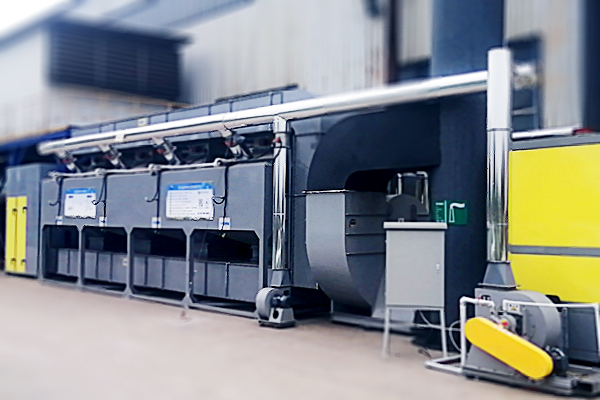
In the current industrial landscape, manufacturing enterprises are under increasing pressure to meet stringent environmental regulations while simultaneously managing operational costs. For facilities that utilize volatile organic compounds (VOCs) in their production processes, the catalytic combustion equipment heat exchange system represents a critical nexus between environmental compliance and economic efficiency. This article provides a comprehensive analysis of how modern heat exchange technology enables effective waste heat recovery and substantial energy consumption reduction, offering a technical roadmap for plant managers and environmental engineers.
Understanding the Role of Heat Exchange in Catalytic Combustion
Catalytic combustion technology is widely recognized for its ability to destroy VOCs at significantly lower temperatures than traditional thermal oxidation. While a regenerative thermal oxidizer (RTO) might require temperatures of 800-1200°C to break down pollutants, a catalytic combustion system can achieve the same results at 300-500°C . This lower operating temperature is a direct result of the catalyst material, which facilitates the oxidation reaction at reduced energy levels .
However, the real energy-saving potential lies in the heat exchange system. This system captures the thermal energy generated during the oxidation of VOCs and repurposes it, preventing that heat from simply escaping up the stack. A well-designed heat exchange system can achieve thermal energy recovery rates of 90% or higher, effectively reducing the auxiliary fuel required to maintain operating temperatures .
How Heat Exchange Systems Enable Energy Recovery
The operational principle of an efficient catalytic combustion heat exchange system revolves around the capture and transfer of heat. The process typically unfolds in the following stages:
Inlet Preheating: The incoming process gas stream containing VOCs passes through the cold side of the heat exchanger. Here, it absorbs heat from the hot, clean exhaust gas exiting the combustion chamber, raising its temperature closer to the catalytic reaction threshold.
Catalytic Oxidation: The now-heated gas enters the catalyst bed, where the VOC oxidation reaction occurs. This reaction is exothermic, meaning it releases additional heat.
Heat Recovery: The purified, high-temperature exhaust gas (typically 300-400°C) is directed through the hot side of the heat exchanger. Its thermal energy is transferred to the incoming cold gas stream.
Emission: The cooled, clean gas is then released into the atmosphere, with the heat exchanger recovering the majority of the energy that would otherwise be lost .
For applications with sufficiently high VOC concentrations (often around 2000 mg/m³ or higher), the recovered heat can sustain the reaction without any supplementary fuel input. This state, known as self-sustaining operation, represents the peak of energy efficiency .
Key Components and Design Considerations
The effectiveness of heat recovery is determined by the specific components and design of the system. Below is a breakdown of the critical elements.
| Component | Function in Heat Recovery | Performance Impact |
|---|---|---|
| Primary Heat Exchanger | Transfers heat from the treated exhaust to the incoming inlet gas. | Directly influences thermal efficiency; high-quality exchangers can recover over 85% of waste heat . |
| Ceramic Heat Storage Beds | Used in Regenerative Catalytic Oxidizers (RCOs) to store and release heat cyclically. | Enables extremely high thermal energy recovery (TER) rates of up to 97% . |
| Catalyst Layer | Lowers the activation energy for VOC oxidation, reducing the required temperature. | Indirectly enables greater heat recovery by allowing operation at lower temperatures . |
Regenerative vs. Recuperative Systems
When selecting a catalytic combustion system, the choice between regenerative and recuperative heat exchange is a crucial decision.
Recuperative Systems
Recuperative systems use a direct heat exchanger, such as a plate-and-shell design, to transfer heat. The hot and cold air streams are kept separate by a physical barrier. While effective, their thermal efficiency is generally lower than regenerative systems. They are often used for smaller airflows or when a lower capital investment is preferred.
Regenerative Catalytic Oxidizer (RCO)
An RCO combines the energy-saving benefits of an RTO with the lower operating temperatures of a catalytic system. It uses ceramic media beds to absorb heat from the treated gas and then preheat the incoming gas before it enters the catalyst section. RCO systems are renowned for their superior energy consumption reduction capabilities.
Cost-Effectiveness: The operating expenditure of an RCO is often significantly lower than that of a conventional RTO, sometimes by as much as 50%, due to lower natural gas consumption .
Fuel Savings: In some cases, converting an existing RTO to an RCO can allow a facility to achieve self-sustaining operation, requiring no additional fuel for oxidation .
Longevity: The catalyst in a well-maintained RCO can have a service life of five or more years .
However, it is important to note that the effectiveness of an RCO depends heavily on catalyst activity. Regular sampling and analysis every 3-5 years are recommended to ensure optimal performance .
Maximizing System Efficiency: Operational Best Practices
Achieving the full potential of your catalytic combustion system requires more than just selecting the right equipment. The following best practices can help optimize waste heat recovery and minimize energy use.
Optimize Inlet Concentration: The system is most energy-efficient when operating at higher VOC concentrations. If concentrations are low, consider using a concentrator wheel or adsorption system to thicken the stream before oxidation.
Monitor Catalyst Health: A poisoned or deactivated catalyst can increase the light-off temperature needed, reducing the system's energy efficiency. Regular monitoring is essential .
Minimize Particulate Matter: Particulates can foul the heat exchanger and the catalyst bed, reducing heat transfer efficiency and catalytic activity . A good pre-filtration system is vital.
Maintain Stable Airflow: Fluctuations in process gas flow can impact the system's pressure drop and heat recovery performance, potentially affecting safety and efficiency .
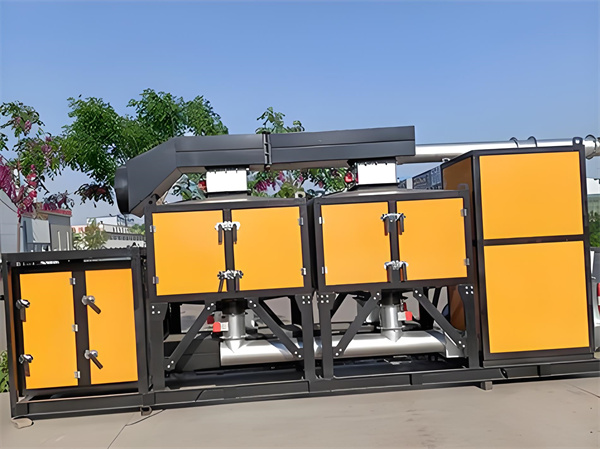
Zhengzhou Puhua Technology: A Trusted Partner in Environmental Solutions
Navigating the complex landscape of industrial air pollution control requires a partner with deep technical expertise and a comprehensive product portfolio. Zhengzhou Puhua Technology is a leading manufacturer of environmental protection equipment based in Henan, recognized for its commitment to quality and innovation. The company specializes in the design, development, and production of a wide range of solutions, including RCO catalytic combustion equipment, RTO equipment, VOCs organic waste gas treatment systems, dust removal equipment (such as baghouse dust collectors and pulse dust collectors), desulfurization and denitrification units, and pneumatic conveying and wastewater treatment equipment.
By integrating efficient heat exchange systems into its VOCs waste gas treatment equipment, Zhengzhou Puhua Technology helps clients achieve substantial energy savings and meet rigorous emission standards. Their systems are designed to provide reliable performance, low operating costs, and reduced carbon footprint, making them a valuable partner for industries striving for sustainable operations.
Conclusion
The heat exchange system is not merely an add-on to a catalytic combustion unit; it is the core component that determines its economic and environmental viability. By enabling the effective capture and reuse of waste heat, these systems drive significant energy consumption reduction and lower operating costs.
Whether through a recuperative design or the highly efficient regenerative technology of an RCO, the modern industrial facility can leverage these advancements to achieve near-zero energy consumption for VOC destruction in certain conditions . As environmental regulations continue to tighten and energy costs rise, investing in a high-performance catalytic combustion system with an advanced waste heat recovery system is becoming an essential strategy for sustainable and profitable industrial operations.
For organizations seeking to upgrade their environmental infrastructure, the choice of equipment and supplier is critical. Partnering with established manufacturers like Zhengzhou Puhua Technology ensures access to high-quality, reliable solutions that meet current and future environmental compliance requirements while delivering long-term operational savings.
Related Articles
-

Zeolite Fixed Bed+Catalytic Combustion Equipment (RCO)
[list:visits]
-

Resin desorption+condensation recovery equipment
[list:visits]
-

Cooking oil fume purifier
[list:visits]
Subscribe to Our Newsletter
Stay updated with the latest news and insights from Puhua Tech.