
Zeolite Rotor Adsorption Concentration + Catalytic Combustion: The Golden Combination for High-Volum
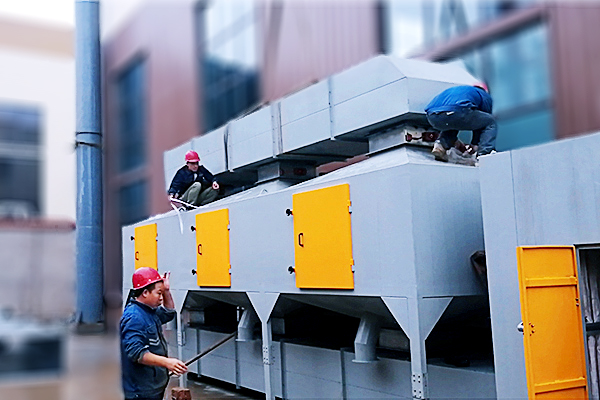
In the field of industrial volatile organic compound (VOC) treatment, enterprises face a persistent challenge: how to efficiently and economically handle exhaust gases characterized by massive airflow volumes and relatively low pollutant concentrations. Traditional treatment methods often fall short when confronted with this specific condition, leading to high operational costs or suboptimal purification results. This is where the zeolite rotor adsorption concentration + catalytic combustion (CO) combination process emerges as the definitive solution.
This article provides an in-depth analysis of why this combined technology is widely recognized as the “golden partner” for high-volume, low-concentration VOC treatment. We will explore its working principles, advantages, application scenarios, and why it represents a superior choice for industries aiming for both environmental compliance and cost-effectiveness.
Understanding the Core Challenge: High-Volume, Low-Concentration VOCs
Many industrial processes, such as painting, coating, printing, and electronics manufacturing, generate substantial volumes of exhaust air with VOC concentrations typically below 1000 mg/m³. Directly treating these large airflows with incineration methods like RTO is energy-intensive and costly, as substantial fuel is required to heat the massive volume of air to reaction temperatures. Conversely, single-pass adsorption systems like activated carbon beds require frequent replacement and generate hazardous waste, leading to high maintenance burdens and operational interruptions. The solution lies not in treating the large volume, but in intelligently concentrating the pollutants before destruction.
The Mechanics of the “Golden Combination”
This integrated system combines the physical concentration capability of a zeolite rotor with the chemical destruction efficiency of catalytic combustion. The process operates continuously through three key stages: adsorption, desorption, and catalytic oxidation.
1. Adsorption Stage: Capturing Pollutants from High-Volume Air
The exhaust gas, after necessary pre-treatment to remove particulate matter (e.g., through a bag filter or dry filter), is directed into the zeolite rotor. The rotor is a honeycomb-structured wheel composed of hydrophobic zeolite (a molecular sieve) that adsorbs VOC molecules onto its surface. As the rotor slowly rotates, the clean air is released into the atmosphere in compliance with emission standards. This stage effectively handles the “high-volume” aspect of the problem.
2. Desorption Stage: Concentrating the Pollutants
The saturated section of the rotor rotates into a smaller desorption zone where a small stream of hot air (typically heated to around 180-220°C) passes through the media. This heat releases the trapped VOCs from the zeolite, resulting in a concentrated stream of VOCs with a volume that is only 1/5 to 1/10 of the original airflow. This concentration process is the key to the system’s energy efficiency, as it effectively shrinks the volume of air that requires high-temperature treatment.
3. Catalytic Combustion Stage: Destroying the Concentrated VOCs
The highly concentrated VOC stream, now with a significantly smaller volume, is sent to the catalytic combustion (CO) unit. The CO unit operates at a substantially lower temperature (typically 320-350°C) compared to thermal incineration (above 760°C). In the presence of precious metal catalysts, the VOCs are quickly oxidized into harmless carbon dioxide and water vapor. The process is highly efficient, boasting destruction rates of 95% to 98%. Additionally, the catalytic reaction is exothermic; the heat generated can be recovered and used to preheat the incoming concentrated gas, further reducing auxiliary fuel consumption.
Key Advantages and Comparative Value
This technology provides exceptional value by addressing the technical and economic weaknesses of standalone systems.
High Efficiency and Stable Compliance: The process ensures a high and stable purification efficiency (typically 85-95%), significantly outperforming single-stage adsorption systems.
Economic Viability: By concentrating the pollutants, the system drastically reduces the volume of gas to be heated, minimizing fuel and energy costs. The long lifespan of the zeolite rotor (approximately 10 years) also ensures low long-term maintenance costs.
Low Secondary Pollution: Unlike activated carbon processes that require regular replacement and create hazardous waste, the zeolite rotor is a durable media. The primary consumable is the catalyst, which only needs replacement every 3-5 years, generating significantly less solid waste.
Robustness for Complex Conditions: The system is adaptable to variations in concentration and flow, making it a stable choice for production processes with fluctuating workloads.
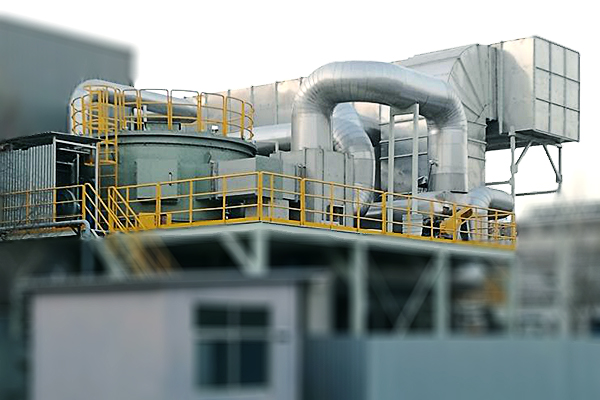
Comparative Analysis of VOC Treatment Technologies
To illustrate the value proposition of the zeolite rotor + CO combination, consider the following comparison of common treatment methods.
| Technology | Suitable Airflow & Concentration | Purification Efficiency | Core Advantages | Core Disadvantages / Limitations |
|---|---|---|---|---|
| Zeolite Rotor + CO | High-volume, Low-concentration (typically < 1000 mg/m³) | 85-95% | Energy-efficient, stable operation, low secondary pollution, long media life. | Requires pre-treatment; catalyst is sensitive to certain chemicals (poisons). |
| Activated Carbon Adsorption | Low-temperature, Low-concentration | 70-90% | Low initial investment, simple to operate. | High operating cost due to frequent media replacement; generates hazardous waste; potential fire risk. |
| Regenerative Thermal Oxidizer (RTO) | Medium to High-concentration | > 95% | Very high destruction efficiency, excellent heat recovery. | High energy consumption, high initial investment, complex system, longer start-up time. |
Application Scenarios and Industry Adoption
The zeolite rotor + CO combination has proven to be a versatile and effective solution across a wide range of industries. It is particularly well-suited for applications like automotive painting and coating, chemical and pharmaceutical manufacturing, printing and packaging, electronics manufacturing, and shipbuilding.
Industry cases demonstrate its effectiveness. For instance, enterprises in the shipbuilding and heavy machinery sectors have successfully utilized this combination to treat paint shop emissions, ensuring compliance with stringent regulations while maintaining operational efficiency. Environmental agencies often recommend this technology as a primary treatment option for high-volume, low-concentration VOCs due to its reliability and cost-effectiveness.
Conclusion
The zeolite rotor adsorption concentration + catalytic combustion combination process stands as a cornerstone technology in modern air pollution control. It masterfully resolves the economic and technical dilemmas inherent in treating high-volume, low-concentration VOCs. The system’s unique ability to physically concentrate pollutants before destroying them makes it an energy-efficient, stable, and cost-effective solution that meets increasingly stringent environmental regulations.
For enterprises seeking a robust and sustainable investment in air quality management, this “golden combination” represents a proven path toward achieving environmental stewardship and long-term operational excellence.
Note: For industrial applications requiring advanced gas purification systems, Zhengzhou Puhua Technology offers professional solutions across a comprehensive range of environmental equipment, including RCO catalytic combustion devices, RTO systems, various dust removal equipment, and desulfurization & denitrification units, tailored to meet specific operational needs.
Related Articles
-

Zeolite Fixed Bed+Catalytic Combustion Equipment (RCO)
[list:visits]
-

Resin desorption+condensation recovery equipment
[list:visits]
-

Cooking oil fume purifier
[list:visits]
Subscribe to Our Newsletter
Stay updated with the latest news and insights from Puhua Tech.