
Catalytic Combustion Equipment Desorption Efficiency Decline: A Comprehensive Troubleshooting Checkl
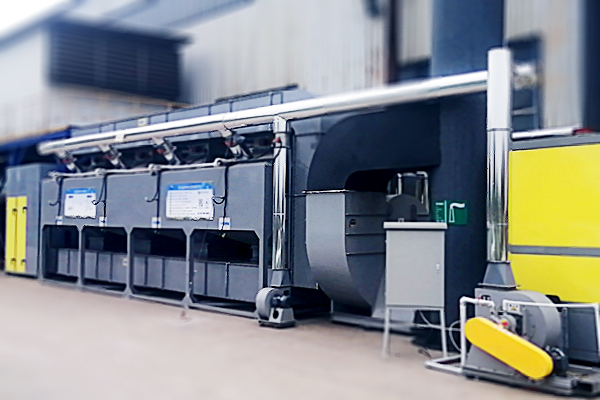
For many environmental protection managers and plant operators, seeing the treatment efficiency of a catalytic combustion system drop is a significant concern. When the catalytic combustion equipment fails to maintain its desorption efficiency, it often results in excessive emissions and increased operational costs. This guide offers a practical troubleshooting checklist to systematically identify and resolve the root causes of decreased performance, ensuring your VOC treatment system operates at its peak.
Understanding the Desorption Process
In a typical catalytic combustion equipment system, VOCs are first concentrated by adsorption on materials like activated carbon or zeolite. When saturated, a hot air stream is used to "desorb" the pollutants, which are then sent to the catalytic oxidation chamber for destruction. If this desorption cycle is compromised, the entire VOC treatment process fails.
Comprehensive Troubleshooting Checklist
1. Preliminary Parameter and Instrumentation Check
Before diving into mechanical components, verify the operational data. This is the fastest way to determine if the issue lies with data perception or actual process failure.
Compare Historical Data: Review the inlet and outlet VOC concentration, temperature profiles, pressure readings, and flow rates. A deviation from normal indicates a problem.
Check Alarm Logs: The control system often records sensor malfunctions or valve issues that contribute to decreased desorption efficiency.
Calibrate Sensors: A faulty temperature sensor or pressure gauge can send incorrect signals to the PLC, leading to incomplete desorption cycles .
2. Inspection of the Adsorption Material
The condition of the adsorbent material directly dictates the success of the desorption step.
| Check Item | Observation / Diagnosis | Action Required |
|---|---|---|
| Surface Condition | Look for dust, oil mist, or polymer accumulation. | Improve front-end pretreatment (filters, scrubbers). |
| Blockage | Check if the bed is compacted or if the pores are blocked. | Unclog or replace the adsorbent . |
| Saturation Level | If the bed is saturated but the cycle hasn't started, efficiency drops. | Review the desorption cycle time and trigger points. |
3. Analyzing the Desorption Heat Source and Temperature
Temperature is the critical driver for desorption. If the heat is insufficient or uneven, the process fails.
Inlet Temperature: Measure the hot gas entering the bed. If it is below the required set point (typically 80-120°C for activated carbon), the desorption is incomplete.
Heating System: Check the performance of electric heaters, heat exchangers, or burners. Are they operating at full capacity?
Thermal Insulation: Inspect the ductwork and chamber walls. Heat loss due to poor insulation reduces thermal efficiency.
Airflow Distribution: Uneven airflow can create hot spots or cold zones. This often leads to localized incomplete desorption, making the overall system appear inefficient .
4. Inspecting the Catalytic Combustion Chamber
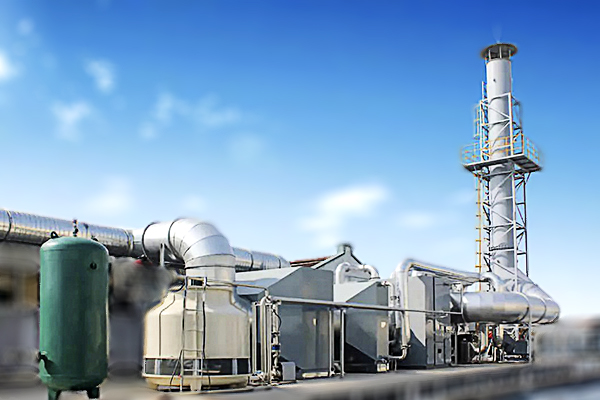
In catalytic combustion equipment (RCO/CO), the catalyst must remain active to convert the desorbed VOCs.
Catalyst Activity: If the catalyst is poisoned by sulfur, chlorine, or heavy metals, it fails to initiate the oxidation reaction at the normal temperature. This often forces the system to run hotter, consuming more energy .
Performance Indicators: A very slow temperature rise in the catalyst bed during the desorption cycle suggests the catalyst is not receiving enough combustibles or is inactive.
Temperature Differential: If there is no significant temperature increase between the inlet and outlet of the catalyst bed during desorption, the reaction is not taking place effectively .
5. Addressing External and System Factors
Sometimes the equipment is fine, but the external environment has changed.
VOC Concentration Fluctuations: A sudden spike in inlet concentration can overload the system, while a drop may not provide enough fuel for the catalyst bed to self-sustain, requiring more energy for heating.
Desorption Cycle Logic: Assess the timer and trigger settings. Overly frequent desorption wastes energy and degrades media, while infrequent desorption leads to "breakthrough" . Many facilities have optimized their desorption cycles by adjusting these parameters, reducing energy consumption by 15-25%.
Air Leakage: Check seals and flanges. Air ingress dilutes the VOC concentration, making it harder to reach the auto-thermal temperature for the catalyst, thereby lowering efficiency .
By systematically working through this checklist, maintenance teams can often identify issues like a failing heater, a poisoned catalyst, or poor airflow distribution. Regular maintenance and correct parameter settings are the keys to ensuring long-term stable operation of your catalytic combustion equipment .
If you are implementing these checks, it can be beneficial to source specialized components or seek technical support. Zhengzhou Puhua Technology has extensive experience in R&D, design, and production of environmental protection equipment. The company focuses on providing a wide range of industrial solutions including dust removal equipment, desulfurization and denitrification equipment, VOC treatment equipment (such as RCO catalytic combustion equipment, RTO equipment, and adsorption-concentration units), pneumatic conveying systems, and wastewater treatment equipment. Their product line includes baghouse dust collectors, desulfurization towers, UV photo-oxidation catalysts, pulse jet dust collectors, and mobile dust collectors, among other environmental protection systems.
Conclusion
When catalytic combustion equipment desorption efficiency declines, the cause can often be found in the pre-treatment, the heat supply, or the state of the adsorbent and catalyst. Using this structured troubleshooting checklist helps operators quickly narrow down the problem, avoiding unnecessary part replacements and costly downtime. By ensuring the system is fully optimized, you achieve better compliance and lower operating costs.
Note: For optimal equipment performance, establish a routine maintenance schedule that includes inspection of the catalyst bed, calibration of temperature sensors, and verification of desorption cycle parameters. This proactive approach prevents many common issues associated with VOC treatment systems.
Related Articles
-

Zeolite Fixed Bed+Catalytic Combustion Equipment (RCO)
7513
-

Resin desorption+condensation recovery equipment
5450
-

Cooking oil fume purifier
11486
Subscribe to Our Newsletter
Stay updated with the latest news and insights from Puhua Tech.