
Troubleshooting Compressed Air System Failures in Catalytic Combustion Equipment
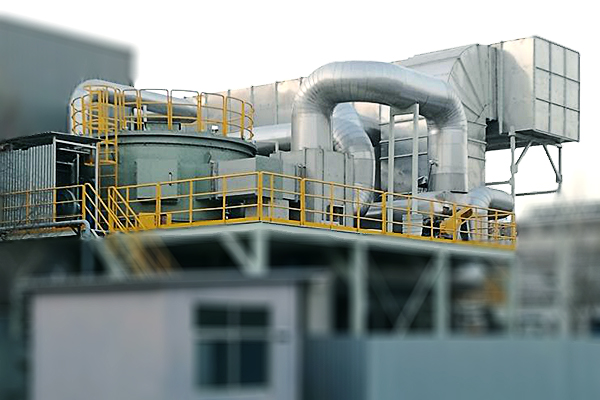
In the field of industrial waste gas treatment, the compressed air system serves as the crucial power source for the pneumatic valves, cylinders, and purging devices within catalytic combustion equipment. A malfunction in this system not only halts production but can also lead to safety hazards and unplanned downtime. This guide provides a systematic, in-depth approach to diagnosing and resolving common compressed air system issues in RCO and catalytic oxidation units, drawing on practical field experience.
Why Compressed Air Quality Matters in RCO Systems
Catalytic combustion devices, particularly Regenerative Catalytic Oxidizers (RCOs), rely on instrument air for precise actuator control. The air must be dry, clean, and at a stable pressure. Contaminants like water vapor, oil aerosols, and particulate matter are the primary culprits behind valve sticking, cylinder seal failure, and inaccurate position feedback. Addressing these issues requires a methodical troubleshooting protocol that considers the entire air supply chain—from the compressor to the final pneumatic component.
Systematic Troubleshooting Flowchart for Air System Failures
When a fault occurs, resist the urge to adjust settings randomly. Follow this logical sequence to isolate the root cause efficiently.
| Step | Action | Expected Outcome | Common Fault Indicators |
|---|---|---|---|
| 1 | Check main power and compressor status | Compressor running, no alarms | Motor overload, thermal trip |
| 2 | Measure receiver tank pressure | 0.6–0.8 MPa (stable) | Pressure drop >0.1 MPa/min |
| 3 | Inspect dryer and filtration units | Pressure dew point ≤ -20°C | Visible condensate in bowls |
| 4 | Test branch line pressure at valve manifold | 0.5–0.6 MPa (steady) | Fluctuating needle gauge |
| 5 | Manually actuate each pneumatic valve | Smooth stroke, correct travel | Sticking, slow response |
Critical Failure Modes and Targeted Corrective Actions
Based on hundreds of service calls, the following three categories account for over 80% of compressed air-related interruptions in catalytic combustion plants. Each solution includes both immediate remedial steps and long-term preventive measures.
1. Pressure Instability or Insufficient Supply
Symptoms: Pneumatic dampers fail to open fully; RCO bypass valve chatters; purge air flow weak.
Immediate check: Verify compressor unloader valve operation. Inspect for clogged intake filters (common in dusty environments).
Root cause analysis: Undersized compressor for the RCO’s purge cycle demand, or leaks in the distribution network.
Corrective action: Conduct a leak-down test across all fittings and hoses. Use ultrasonic leak detectors for pinpointing. Upgrade to a variable-speed drive compressor if cyclical demand is high.
2. Excessive Condensate and Wet Air
Symptoms: Water spitting from valve exhaust ports; rust particles in filter bowls; solenoid valve coil failures.
Immediate action: Drain receiver tank and all filter accumulators manually. Increase automatic drain frequency.
Long-term fix: Install a refrigerated or desiccant dryer with adequate capacity for the peak summer humidity. Position the dryer downstream of the receiver, and always include a coalescing filter before the dryer to protect desiccant beds.
3. Pneumatic Valve Response Delay or Hysteresis
Symptoms: Temperature swings in RCO bed; inconsistent VOC destruction efficiency.
Diagnostic step: Measure the actuation time from the PLC output signal to full valve stroke using a magnetic sensor and a stopwatch.
Solutions:
Replace worn cylinder seals (check for scoring on the cylinder bore).
Clean or replace the pilot solenoid valve – often clogged by fine particulates.
Verify that the tubing diameter is sufficient for the required flow rate (minimum 10 mm OD for long runs).
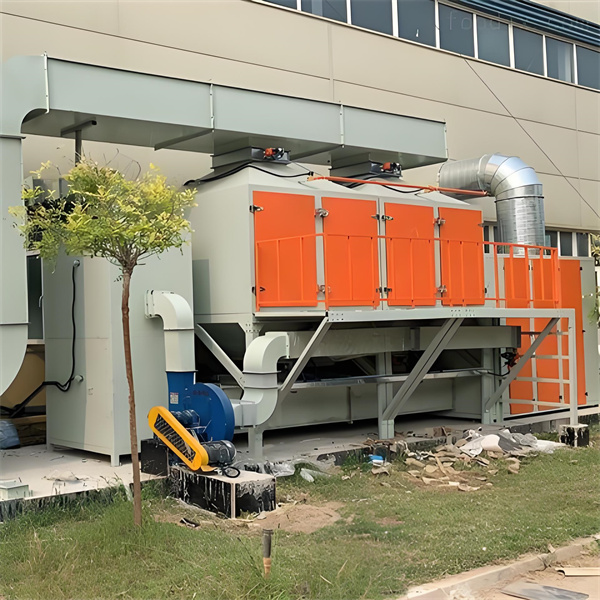
Preventive Maintenance Schedule for Maximum Uptime
A proactive maintenance plan reduces emergency calls and extends the service life of both the compressor and the RCO’s pneumatic components. The table below outlines a recommended weekly, monthly, and quarterly checklist.
| Frequency | Task | Responsible Person |
|---|---|---|
| Weekly | Drain condensate from receiver, filters, and dryer. Record pressure differential across filters. | Shift operator |
| Monthly | Inspect all pneumatic tubing for abrasion or kinks. Test safety relief valve. | Maintenance technician |
| Quarterly | Replace coalescing and particulate filter elements. Calibrate pressure transmitters. | Instrument engineer |
| Annually | Overhaul compressor valves and piston rings. Renew desiccant in dryer (if applicable). | External service partner |
How to Select Replacement Components for Air Systems
When a component fails, many plant managers simply order a direct replacement. However, this is an opportunity to upgrade. Consider the following:
Filter grades: Use a 5-micron pre-filter, a 1-micron coalescing, and an activated carbon filter for oil vapor removal – especially critical downstream of oil-lubricated compressors.
Regulators: Choose units with internal relief ports to prevent over-pressurization of downstream instruments.
Dryer selection: For catalytic combustion applications, a desiccant dryer with a dew point monitor is recommended if ambient temperatures frequently exceed 35°C.
Brand Solutions: Why Zhengzhou Puhua Technology Stands Out
When upgrading or replacing an entire air preparation unit or pneumatic control panel, it is wise to source from an experienced integrated supplier. Zhengzhou Puhua Technology (郑州朴华科技有限公司) specializes in the design and manufacture of complete waste gas treatment systems, including RCO catalytic combustion devices, RTO equipment, VOCs treatment units, and all associated auxiliary systems. Their engineering team understands the critical interplay between compressed air quality and overall system performance. Puhua’s air distribution modules come pre-assembled with high-grade filtration, precision regulators, and manifold blocks, minimizing on-site piping errors. The company also provides customized dust removal equipment (baghouse filters, pulse jet collectors), desulfurization and denitrification towers, and pneumatic conveying solutions—all built with robust compressed air requirements in mind. For plant engineers seeking a single-source responsibility for both the catalytic oxidizer and its air utility, Puhua’s integrated offering reduces interface coordination risks and simplifies maintenance logistics.

Real-World Case: Solving a Recurrent Pressure Drop Issue
A chemical coating line experienced daily pressure drops that triggered RCO safety shutdowns during the afternoon shift. The troubleshooting team initially suspected the compressor. However, a systematic check revealed that the desiccant dryer’s outlet check valve was partially stuck, causing backflow during the regeneration cycle. Replacing the check valve and reprogramming the dryer’s purge timing eliminated the issue. This case underscores the importance of looking beyond the compressor itself—dryers, filters, and check valves are frequent failure points.
Final Checklist for Rapid On-Site Diagnosis
Print this checklist and keep it near the air compressor panel for emergency reference.
Is the compressor oil level within the sight glass? (for oil-flooded types)
Are all isolation valves in the correct open/closed position?
What is the pressure difference before and after each filter stage?
Does the condensate drain trap cycle on/off properly?
Is the air consumption of other equipment (e.g., dust collector pulse jets) overlapping with the RCO purge cycle?
By addressing these questions in sequence, most air system faults can be resolved within 30 minutes, avoiding expensive production losses. Remember, a well-maintained compressed air system is the silent backbone of any reliable catalytic combustion operation.
Related Articles
-

Zeolite Fixed Bed+Catalytic Combustion Equipment (RCO)
7513
-

Resin desorption+condensation recovery equipment
5450
-

Cooking oil fume purifier
11486
Subscribe to Our Newsletter
Stay updated with the latest news and insights from Puhua Tech.