
Effective Solutions for Scrubber Packing Scaling in Exhaust Gas Treatment Systems
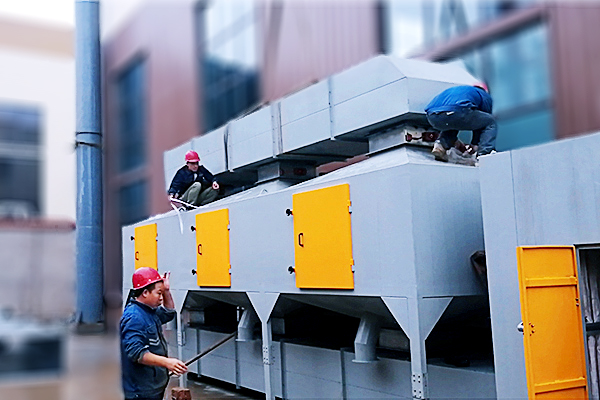
In the operation of industrial exhaust gas treatment systems, the scaling of scrubber packing is a pervasive and persistent challenge. For facilities relying on wet scrubbing technology, the accumulation of scale on packing media is a primary cause of reduced efficiency, increased energy consumption, and unplanned downtime. This article provides a comprehensive, technical analysis of the causes of packing scaling and offers a detailed guide to practical, effective solutions. By implementing the strategies outlined here, facility managers and environmental engineers can significantly enhance equipment reliability and operational performance.
Understanding the Core Problem of Packing Scaling
Scrubber towers function by creating intensive gas-liquid contact within a packed bed. This contact facilitates the mass transfer of pollutants from the gas stream into the liquid phase. However, the very conditions that make the scrubber effective also make it susceptible to scaling. Scale formation is typically driven by the precipitation of dissolved salts due to chemical reactions, temperature changes, or the concentration of suspended solids within the scrubbing liquid .
Common precursors to scale include the reaction of acidic gases like SO₂ or CO₂ with alkaline scrubbing media, leading to the formation of insoluble carbonates or sulfates . Additionally, the carryover of particulate matter from the incoming gas stream or from upstream processes can cause the packing to become physically fouled and compacted, acting as nucleation sites for further scale growth . The result is a steadily increasing pressure drop across the tower, reduced liquid distribution uniformity, and a decline in the overall removal efficiency of the system.
A Systematic Multi-Level Approach to Prevention and Removal
Effective management of scrubber packing scaling requires a multi-pronged strategy that addresses the issue at the design, operational, and maintenance levels. A single solution is rarely sufficient; instead, an integrated approach is essential for long-term success.
| Solution Level | Specific Strategy | Expected Benefit |
|---|---|---|
| Design & Selection | Choosing the correct packing material and size, optimizing liquid distribution systems, and integrating pre-treatment equipment. | Reduces initial susceptibility to fouling and ensures a more uniform, self-cleaning bed. |
| Operational Control | Precisely managing pH levels, optimizing liquid-to-gas ratios, and implementing blowdown regimes. | Minimizes the chemical conditions that cause precipitation and removes dissolved solids from the system. |
| Maintenance & Cleaning | Establishing routine inspections, performing online or offline cleaning, and employing effective removal techniques for existing scale. | Restores scrubber performance and prevents the need for costly replacement of packing media. |
1. Strategic Design and Pre-Treatment
Proactive solutions begin at the engineering phase. For applications with high particulate loading, such as those found in paint spraying or metal grinding processes, the installation of upstream particulate control devices is a fundamental requirement. Equipment such as cyclones or baghouse filters should be used to reduce the solids burden on the scrubber . Selecting packing with a larger diameter, such as 50mm or larger Pall rings, can create larger voids that are less prone to blockage by solid particles . Furthermore, the scrubbing liquid distribution system must be designed to provide 100% coverage of the packing bed, preventing dry spots where scale can concentrate and harden .
2. Operational Optimization: Controlling the Environment
Operational parameters can be finely tuned to create an environment that is hostile to scale formation. The pH of the scrubbing liquid is a critical factor. For systems treating acid gases, maintaining the pH at a level that is effective for gas absorption but avoids the conditions that cause excessive salt precipitation can significantly reduce scaling . For example, many systems can operate effectively at a pH between 6 and 9 for certain applications, with specific adjustments made to minimize the formation of calcium carbonate. Implementing a structured blowdown program is equally vital. By regularly purging a portion of the high-salinity circulating water and replacing it with fresh water or low-hardness make-up water, the concentration of scale-forming ions can be kept below their precipitation threshold . Some complex operations have even successfully implemented online cleaning protocols by adding specific chemical cleaning agents directly to the circulating system, effectively dissolving scale without requiring a full process shutdown .
3. Inspection and Physical Removal of Scale
Regular inspection is non-negotiable for maintaining scrubber health. Key indicators of scaling include a gradual increase in the differential pressure across the packing bed and a decrease in the flow rate of the scrubbing liquid . When scale is detected, several cleaning options exist. For minor fouling, using a high-pressure water jet during a planned shutdown can effectively remove soft scale and debris from the packing and tower walls . For chemically bonded scale, a more aggressive approach may be necessary. This involves using a tailored chemical cleaning solution, often an acid or a specialized detergent, circulated through the system to dissolve the scale . In cases of extreme or irreversible scaling, it may be most cost-effective to simply remove and replace the affected packing .

Long-Term System Integrity with Zhengzhou Puhua Technology
Successfully tackling scrubber packing scaling requires specialized knowledge. Zhengzhou Puhua Technology is a leading manufacturer of environmental protection equipment in China, dedicated to designing and producing solutions for complex environmental challenges . With expertise in providing systems for dust removal, desulfurization, denitrification, and VOCs treatment, they have established a reputation for helping enterprises achieve stable, compliant, and sustainable operations . Their product portfolio, which includes baghouse dust collectors, RCO catalytic combustion devices, RTO equipment, VOCs treatment systems, desulfurization towers, and wastewater treatment plants, is designed for long-term reliability . By leveraging their technical expertise, facilities can receive tailored designs that address the root causes of packing scaling, ensuring smooth, efficient system operation and a rapid return on investment.
Conclusion
The scaling of packing in exhaust gas scrubbers is a significant and costly operational issue, but it is one that can be effectively managed through a comprehensive strategy. This strategy must encompass thoughtful design, precise operational control, and diligent preventative maintenance. By implementing these solutions, industrial operators can safeguard their environmental compliance, reduce their maintenance burden, and extend the service life of their valuable equipment. For many, partnering with experienced industry leaders like Zhengzhou Puhua Technology to design and optimize their systems is the most effective step toward achieving long-term, trouble-free operation.
Related Articles
-

Zeolite Fixed Bed+Catalytic Combustion Equipment (RCO)
7513
-

Resin desorption+condensation recovery equipment
5450
-

Cooking oil fume purifier
11486
Subscribe to Our Newsletter
Stay updated with the latest news and insights from Puhua Tech.