
Troubleshooting Checklist for Reduced Desorption Efficiency in Catalytic Combustion Equipment
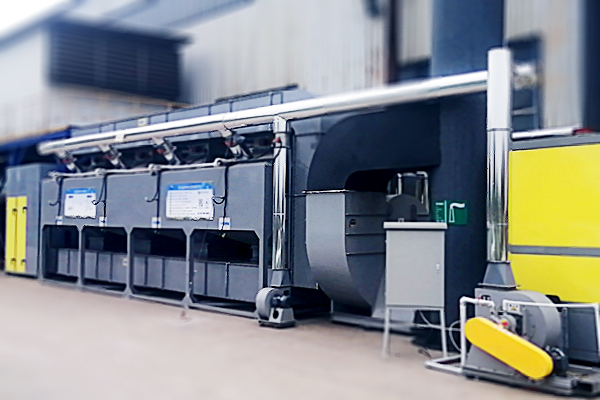
For many industrial operations, the catalytic combustion system is the cornerstone of compliant VOC emissions management. However, a gradual or sudden drop in desorption efficiency is a common challenge that can lead to increased operational costs, higher emission readings, and potential regulatory issues. When desorption efficiency declines, the entire adsorption-desorption cycle is disrupted, compromising the system's ability to concentrate VOCs for oxidation. This checklist provides a systematic, step-by-step guide to identifying and resolving the root causes of desorption efficiency loss in catalytic combustion equipment, with the goal of restoring optimal performance.
Understanding the Desorption Process
Desorption is the process of reversing adsorption. In a typical catalytic combustion system, VOC-laden air is passed through an adsorbent material, such as activated carbon or zeolite. Once the adsorbent is saturated, a hot air stream is passed through the bed to release, or desorb, the VOCs. This concentrated stream is then directed to the catalytic combustion chamber, where it is oxidized at a lower temperature than thermal oxidation, typically between 300°C and 450°C. When desorption is inefficient, the adsorbent cannot be fully regenerated, leading to a cascading failure of the entire system. A drop in the temperature of the catalytic bed or an increase in outlet VOC concentration are often the first indicators that a problem exists.
If you are experiencing a decline in performance, it is essential to have a structured diagnostic approach. This checklist is designed to guide maintenance teams and plant engineers through the most common failure points. Zhengzhou Puhua Technology, a professional manufacturer of environmental protection equipment, provides a range of solutions including RCO catalytic combustion equipment, RTO equipment, and various dust removal systems that are designed for durability and high efficiency. However, even the best systems require regular maintenance and troubleshooting.
Phase 1: Preliminary Data & Parameter Verification
Before inspecting physical components, the first and most critical step is to review the operational data and control parameters. Many efficiency issues can be traced back to incorrect settings or faulty sensors.
1.1 Review Desorption Temperature Profiles
The Goldilocks Zone: Desorption temperature is critical. For activated carbon, the temperature should be strictly controlled. Temperatures below the recommended level (typically below 120°C) will fail to release high-boiling-point VOCs, leaving the adsorbent partially saturated. Conversely, excessive temperatures can cause hotspots and pose a fire risk or damage the adsorbent structure. Ensure the system is maintaining the target temperature as designed.
Check Heating Elements: Verify that the electric heaters or heat exchangers used to generate the hot desorption air are functioning correctly. Worn heating elements or a failed heat exchanger will not provide the necessary thermal energy for effective desorption.
Monitor Temperature Sensor Accuracy: A malfunctioning thermocouple or resistance temperature detector (RTD) can report inaccurate temperatures. If the system "thinks" it is at the target temperature but is actually lower, desorption will be incomplete. Calibrate sensors to ensure reliable readings.
1.2 Analyze Desorption Gas Flow Rates
Insufficient Flow: If the volume of hot air or inert gas used for desorption is too low, the heat and mass transfer within the adsorbent bed will be inadequate. This results in a slow or incomplete desorption process. Check variable frequency drives and damper positions for correct settings.
Excessive Flow: Too high a flow rate can cause channeling or push the VOCs through the adsorber too quickly without allowing sufficient time for them to be released from the adsorbent material, also reducing efficiency.
Air Leakage: Inspect ductwork, valves, and connections in the desorption circuit for leaks. If ambient air is drawn into the system before it reaches the adsorbent bed, it can dilute the desorption gas, reducing its temperature and partial pressure, which hinders the release of adsorbed VOCs.
1.3 Evaluate Desorption Cycle Timing & Frequency
Cycle Duration: The desorption cycle may be too short for the volume of VOCs adsorbed. If the cycle ends before the adsorbent is clean, the capacity of the bed will diminish over time. Adjust the cycle time based on real-time outlet concentration readings from the desorption stream.
Inadequate Frequency: If the system is left to run for too long between desorption cycles, the adsorbent can become overloaded. This can lead to "working capacity" loss, where the adsorbent's ability to capture VOCs in the next adsorption phase is permanently diminished due to the accumulation of high-boiling-point or polymeric compounds.
Phase 2: Core Component Inspection
If the operational parameters are correct, the next step is to investigate the physical condition of the adsorbent and the catalytic combustion unit.
2.1 Assess the Adsorbent Material (Activated Carbon / Zeolite)
Physical Condition: Open the adsorbent chamber and inspect the material. Is it wet? Is it fouled with dust or oil? Are there signs of compaction or channeling? These are signs of inadequate pre-treatment.
Micro-pore Blockage: Over time, fine particulate matter, sticky organic compounds, or polymerization products can block the micro-pores of the adsorbent. This is a common issue when the pre-filter system is inadequate.
Chemical Poisoning: Some VOCs contain substances like sulfur, chlorine, or silicon compounds. These can chemically react with the adsorbent material, permanently occupying adsorption sites. This is a form of "chemical poisoning" that cannot be reversed through normal desorption cycles.
2.2 Inspect the Catalyst in the Combustion Chamber
The catalyst is the heart of the catalytic combustion system. Its performance is directly linked to the downstream efficiency of the entire system.
Catalyst Deactivation: If the catalyst is poisoned by heavy metals or silicon, its ability to oxidize VOCs at lower temperatures is reduced. This requires the system to run at higher temperatures to compensate, increasing energy costs and potentially causing overheating in the system.
Catalyst Sintering: High temperatures, often above 600°C, can cause the active metal particles on the catalyst support to migrate and grow larger, a process known as sintering. This permanently reduces the active surface area and activity of the catalyst.
Catalyst Blockage: The honeycomb structure of the catalyst can become physically blocked by dust, sintered materials, or fine powders that have passed through the pre-treatment system, reducing gas flow and contact time.
Insufficient Catalytic Activity: If the combustion chamber temperature is raised above 300°C but the outlet VOCs remain high, it often signals a catalyst problem. If the temperature rise across the catalyst bed is minimal compared to the inlet VOC concentration, it suggests poor activity.
Phase 3: Pre-treatment & System Health Checks
The condition of upstream equipment is often the hidden culprit behind decreased efficiency. Overlooking these areas is a common mistake.
| Component | Checklist Item | Impact on Desorption |
|---|---|---|
| Pre-filters | Inspect for clogging, saturation, or damage. | Clogged filters reduce airflow, starving the system of the necessary desorption gas volume. Damaged filters allow particulate matter through, which can block the adsorbent's pores and make desorption difficult. |
| Cooling System | Check if the cooling system is functioning correctly after the desorption cycle. | If the adsorbent isn't properly cooled after desorption, it won't be effective for adsorption in the next cycle. The target temperature must be restored before the adsorption phase begins. |
| Condensate / Knock-Out Pot | Ensure that condensate is being drained and not re-entering the system. | Accumulated water or high-boiling-point liquids can be carried over into the adsorbent bed, physically blocking pores and reducing efficiency. This is particularly an issue when dealing with water-soluble VOCs or when using steam for regeneration. |
Phase 4: Routine Maintenance and Long-Term Prevention
After identifying and correcting the immediate issue, implementing a robust maintenance schedule is critical for preventing future declines in performance.
Establish Performance Baselines: Record the temperature and pressure drop profiles of a new, clean adsorbent and catalyst. Periodically compare current readings to these baselines to detect trends early.
Regular Catalyst Testing: For optimal performance and longevity, we recommend periodic laboratory testing of the catalyst. This can detect early signs of poisoning or physical degradation. Proactive replacement or regeneration is often more cost-effective than reactive replacement.
Pre-treatment Upgrades: If particulate loading or chemical poisoning is a recurring issue, consider upgrading the pre-treatment system. This may include more efficient dust collectors, like a pulse-jet baghouse or cartridge filter, or installing a scrubber to remove specific chemical compounds before they enter the adsorber. Zhengzhou Puhua Technology specializes in providing comprehensive dust removal, desulfurization, and denitrification equipment, and can assist in designing integrated systems for optimal VOC removal and longevity.
Maintain Desorption Equipment: Ensure that the heat exchangers, air blowers, and valves used in the desorption process are regularly serviced. A loss of performance in these support components will directly affect desorption efficiency.
By following this systematic approach, you can effectively diagnose the causes of reduced desorption efficiency in your catalytic combustion system. Remember that the solution often requires a combination of understanding the operational data, inspecting the physical components, and ensuring the quality of upstream pre-treatment. Selecting equipment from manufacturers who prioritize robust design and serviceability, such as those offered by Zhengzhou Puhua Technology, can significantly reduce downtime and maintenance costs associated with VOC abatement.
Related Articles
-

Zeolite Fixed Bed+Catalytic Combustion Equipment (RCO)
7513
-

Resin desorption+condensation recovery equipment
5450
-

Cooking oil fume purifier
11486
Subscribe to Our Newsletter
Stay updated with the latest news and insights from Puhua Tech.