
Exhaust Gas Treatment Equipment Fails to Meet Standards? Start with These 5 Self-Checks
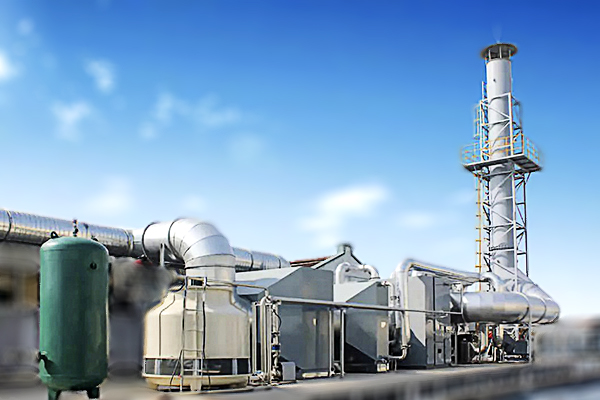
In the current environmental protection landscape, industrial enterprises are under increasing pressure to ensure their exhaust gas treatment systems operate at peak efficiency. A failure to meet emission standards can result in significant fines, mandatory shutdowns, and reputational damage. When your monitoring system flashes a warning or you face an environmental inspection, the pressure is on to find a solution quickly.
Many companies immediately look for complex, high-cost fixes. However, according to industry experience from Zhengzhou Puhua Technology, a leading manufacturer of air pollution control equipment, the root cause of non-compliance is often found in a few easily overlooked areas. Before you call in an external consultant or plan a major overhaul, take a deep breath and perform these five essential self-checks.
1. Is the Initial Dust Layer on Your Baghouse Filters Intact?
For systems using baghouse dust collectors, pulse dust collectors, or mobile dust collectors, the "initial dust layer" is critical for high filtration efficiency. This is the layer of dust that builds up on the filter bags during initial operation. It acts as the primary filtering medium, catching fine particles that the bare fabric would allow to pass. If this layer is disturbed, you will immediately see a spike in emissions. Here are the common causes of this issue:
Excessive cleaning: The pulse jet cleaning cycle is too frequent or the compressed air pressure is set too high. This can blow off the initial dust layer along with the accumulated dust cake.
High filtration velocity: The gas flow is too high for the filter area, preventing the dust from properly settling on the bags.
Low dust load: The process is not generating enough particulate matter to form or maintain the layer.
How to fix it: Review your cleaning parameters. Try extending the time between pulses and reducing the compressed air pressure. Monitor the pressure drop across the collector to find the optimal balance. This simple adjustment can often solve the problem without any hardware changes.
2. Have You Checked for Hidden Blockages or Breakages?
Mechanical integrity is the foundation of any pollution control system. Emission problems are frequently traced back to a physical failure in the system. The most common culprits are in the key components of your RCO catalytic combustion equipment, RTO equipment, or scrubbers.
Perform a thorough visual and operational inspection, focusing on these key areas:
| Equipment Type | Common Failure Points | Immediate Action |
|---|---|---|
| Baghouse / Pulse Dust Collectors | Worn or broken filter bags, holes in bags, poor bag-to-cage fit | Replace damaged bags and ensure proper fitting of new ones. |
| RCO / RTO Systems | Catalyst deactivation or blockage; burner malfunctions; temperature swings | Check catalyst condition; verify temperatures; inspect burner and valves. |
| Wet Scrubbers (Desulfurization Towers) | Blocked spray nozzles; mist eliminator fouling; pH control issues | Clean nozzles and mist eliminators; check pH and adjust chemical feed. |
Don’t forget to check your system’s pre-treatment stage. For example, in a RCO catalytic combustion device, a failure in the pre-filter can allow particulate matter to reach the catalyst bed, causing a rapid pressure drop and eventual failure. For VOCs treatment system like adsorption units, inspect for channeling in the carbon beds or if the absorbent has become saturated or ineffective.
3. Are Your Operational Parameters Optimized and Stable?
Every piece of equipment is designed to operate within a specific range of parameters. When these parameters drift, performance suffers. This is often the case with temperature and pressure settings.
For thermal oxidation and catalytic oxidation systems, temperature is paramount. If the combustion chamber temperature is too low, volatile organic compounds (VOCs) will not be fully oxidized, leading to non-compliance. For wet scrubbers used for desulfurization, the pH of the scrubbing liquid is the key metric that directly impacts the removal efficiency of sulfur dioxide.
Compile a "golden operating parameters" sheet from your equipment's design specifications and compare it with your real-time data.
Is the RCO bed temperature within the specified range (e.g., 300-400°C)?
Is the pressure drop across the scrubber within acceptable limits?
Is the temperature of the gas entering the baghouse above the dew point to prevent condensation and bag blinding?
By ensuring these key metrics are stable, you can be confident that the system has the proper environment to achieve the desired removal efficiency.
4. Is Your Equipment the Right Size for Your Current Production?
Factories change. Production lines are added, processes are modified, and ventilation systems are updated. However, the capacity of the exhaust gas treatment system may not have been updated to match these changes. This is a classic problem that leads to non-compliance.
If your production has increased, the increased airflow velocity can become too high for the filtration system, a problem often seen with baghouse dust collectors where it prevents the proper formation of the dust layer and causes premature wear. For VOCs治理, a larger volume of air may pass through the system too quickly, reducing the "residence time" needed for the pollutants to be adequately adsorbed or destroyed in your RCO or RTO equipment.
You need to ensure that the “size” or capacity of your dust removal equipment, denitrification equipment, or VOCs treatment unit is appropriate for your current production load. If not, you may need to consider additional equipment like a larger pulse dust collector or a supplementary RCO catalytic combustion unit to handle the increased volume.
5. Are You Maintaining Your Equipment and Its Consumables?
Proactive maintenance is far more effective and less costly than reactive emergency fixes. Many companies focus on production and neglect the scheduled upkeep of their environmental protection equipment until a problem arises. Environmental inspections are now heavily focused on examining maintenance logs.
Key maintenance tasks that directly impact compliance include:
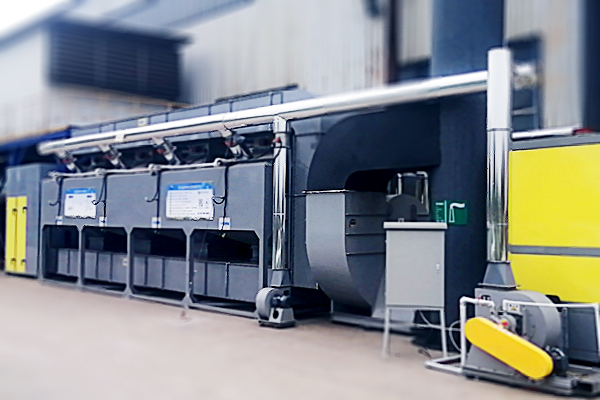
Replacing consumables: This includes the regular replacement of filter bags in your pulse dust collector, the active carbon in your adsorption systems, and the catalyst in your RCO catalytic combustion equipment. For example, the catalyst in an RCO system has a limited lifespan and must be replaced when its activity drops below a certain threshold.
System cleaning: Dust and debris can build up in ductwork and on pre-filters, reducing overall system efficiency. Regular cleaning of equipment like the scrubber's mist eliminator or the RTO's heat exchange media is critical.
Calibration: Your continuous emission monitoring systems (CEMS) and other sensors must be regularly calibrated to provide accurate data. Inaccurate data can lead you to believe you are compliant when you are not, or vice versa.
Conclusion: A Partnership for Compliance
Troubleshooting emission non-compliance can be a source of anxiety for any plant manager. However, by systematically checking these five areas—the initial dust layer, mechanical integrity, operational parameters, proper system sizing, and your maintenance practices—you can identify and resolve the vast majority of issues quickly and efficiently.
If you have completed these self-checks and are still facing challenges, it may be time to consult with an expert. As a professional manufacturer and supplier in Henan province, Zhengzhou Puhua Technology specializes in the design and production of a comprehensive range of environmental solutions, including dust removal systems, desulfurization and denitrification equipment, VOCs treatment facilities, and pneumatic conveying systems. Our team can help you diagnose complex issues and provide the right equipment—whether it's a new baghouse filter, an RCO catalytic combustion device, an RTO system, or a VOCs treatment unit—to ensure your operations are both efficient and fully compliant with environmental regulations.
Related Articles
-

Zeolite Fixed Bed+Catalytic Combustion Equipment (RCO)
7513
-

Resin desorption+condensation recovery equipment
5450
-

Cooking oil fume purifier
11486
Subscribe to Our Newsletter
Stay updated with the latest news and insights from Puhua Tech.