
How to Diagnose and Fix Temperature Fluctuations in Catalytic Combustion Equipment
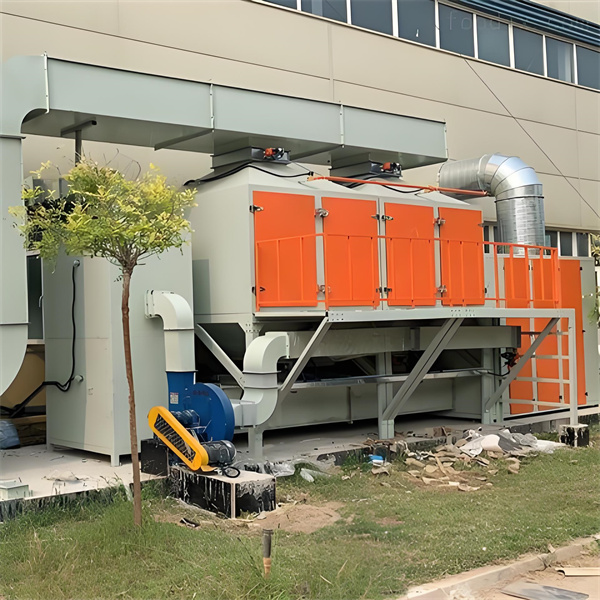
Catalytic combustion equipment plays a vital role in industrial waste gas treatment, particularly for destroying volatile organic compounds (VOCs). However, one of the most common and challenging issues faced by plant operators and environmental engineers is the unpredictable fluctuation of temperatures within the combustion chamber. These unstable thermal conditions not only compromise the destruction efficiency of pollutants but also pose significant safety risks and can severely shorten the lifespan of the catalyst and the equipment itself.
For businesses relying on RCO catalytic combustion equipment or CO systems, understanding the root causes of these temperature anomalies is the first step toward implementing effective, long-term solutions. This article provides a comprehensive, technical deep-dive into why these temperature fluctuations occur and offers actionable strategies to maintain stable, safe, and efficient operations.
Understanding the Thermal Dynamics of Catalytic Oxidation
To effectively solve temperature instability, one must first understand the fundamental principle of heat balance in a catalytic combustion system. The process relies on the exothermic oxidation of VOCs over a catalyst bed. The heat generated is directly proportional to the concentration of the organic waste gas entering the system.
In a perfectly balanced system, the heat generated by oxidation is sufficient to maintain the reaction temperature, often requiring minimal auxiliary fuel during normal operation. However, when the system's thermal equilibrium is disrupted, temperatures can spike or plummet, leading to operational chaos. The core of the problem lies in the system's inability to cope with rapid fluctuations in waste gas parameters or mechanical failures within the heat recovery mechanism.
Primary Causes of Temperature Fluctuations
Diagnosing temperature issues requires a systematic approach. The root causes can generally be categorized into three main areas: process variations, mechanical failures, and control system malfunctions.
1. Process and Inlet Gas Variations
Concentration Spikes: The most frequent cause of sudden temperature rises is a sharp increase in the concentration of VOCs in the waste gas stream. When the concentration exceeds the system's design capacity, the excess combustible material releases more heat than the system can absorb or dissipate. This can cause the temperature in the catalytic bed to rapidly approach dangerous levels, potentially causing thermal damage to the catalyst.
Inconsistent Flow Rates: Significant changes in the volume of incoming air disrupt the residence time and heat exchange efficiency. A sudden drop in flow can lead to localized overheating, while a surge can cause the system to cool down rapidly.
Feed Gas Composition Changes: Different VOCs have different oxidation temperatures and heat release values. A change in the solvent mixture being used in upstream processes (e.g., painting or printing) can alter the thermal output without a visible change in concentration readings.
2. Mechanical and Component Failures
Heat Exchanger or Regenerator Issues: In RCO equipment, the ceramic heat recovery media can become fouled, blocked, or physically degraded over time. This reduces the heat exchange efficiency, causing cold spots and forcing the system to work harder to maintain temperatures, leading to cycling and instability.
Heating Element Degradation: For CO (catalytic oxidizer) systems that rely on electric preheaters, aged or burned-out heating elements can fail to provide the necessary heat for ignition, especially during startup or low-concentration periods, causing the temperature to drop.
Bypass Damper Malfunctions: Modern systems often include a cold-air bypass or hot-gas bypass to temper the inlet temperature. If these dampers are stuck, slow to respond, or leak, they cannot effectively modulate the temperature entering the catalyst bed.
3. Control System and Sensor Inaccuracies
Faulty Thermocouples: Accurate measurement is the foundation of temperature control. Worn, uncalibrated, or incorrectly placed thermocouples provide inaccurate data to the PLC, leading to inappropriate corrective actions.
PID Controller Misconfiguration: A poorly tuned PID (Proportional-Integral-Derivative) loop can cause the system to overshoot or undershoot the setpoint, resulting in continuous oscillation around the target temperature.
Comprehensive Troubleshooting and Solutions
Addressing temperature fluctuations requires a multi-layered approach that combines rigorous maintenance schedules with advanced control strategies.
Step 1: Enhance Pre-Treatment and Inlet Monitoring
The most effective way to prevent temperature spikes is to stabilize the inlet conditions. This often involves installing a buffer tank or a gas mixing chamber to homogenize the VOC concentration and flow rate before the gas enters the oxidizer. Additionally, implementing a continuous VOC concentration analyzer provides real-time data, allowing the control system to anticipate and adjust for incoming heat loads.
Step 2: Optimize Heat Recovery and Airflow Management
In systems with heat exchangers, regular inspection and cleaning are crucial. For RCO equipment, ensure the ceramic media is clean and free from particulate matter. More advanced systems utilize a "cold bypass" strategy, where a portion of the untreated, cooler waste gas is diverted directly into the combustion chamber to absorb excess heat and prevent temperature runaway. This provides a highly responsive method of cooling the system without wasting energy.
Step 3: Control and Tuning Strategies
Modern catalytic combustion systems should utilize advanced control logic. Instead of a simple on/off burner control, a modulating burner valve coupled with a well-tuned PLC can make incremental adjustments to maintain steady-state conditions. Accurate calibration of thermocouples is non-negotiable; errors of even a few degrees can lead to significant efficiency losses or safety risks.

Operational Parameters and Ideal Ranges
Understanding the typical operating ranges is critical for maintenance. The table below outlines general guidelines for common parameters in a catalytic combustion system.
| Parameter | Typical Operating Range | Significance |
|---|---|---|
| Catalyst Bed Inlet Temperature | 250°C – 350°C | Critical for ignition; below this range, oxidation is inefficient. |
| Combustion Chamber Operating Temp | 350°C – 650°C | Optimal range for complete oxidation; exceeding 650°C risks catalyst damage. |
| Inlet VOC Concentration (Typical) | 1,000 – 2,000 mg/m³ | High concentrations require careful heat dissipation to avoid runaway. |
| Heat Recovery Efficiency (RCO) | 85% – 95% | High efficiency reduces fuel use but increases sensitivity to concentration changes. |
Preventive Maintenance Schedule
To ensure long-term stability, a robust preventive maintenance schedule is essential. Below is a recommended checklist for plant operators.
Daily Checks:
Verify temperature readings across all sensors (inlet, bed, outlet).
Check for error codes or alarms on the PLC display.
Listen for abnormal mechanical noises from fans or dampers.
Monthly Checks:
Calibrate thermocouples and pressure transmitters.
Inspect damper actuators for smooth operation and tight seals.
Visually inspect the catalyst bed through viewing ports (if available).
Quarterly/Semi-Annual Maintenance:
Perform a detailed inspection of the heat exchanger or ceramic media for fouling.
Test safety interlocks and emergency shutdown systems.
Collect and analyze gas samples to verify destruction efficiency.
Review PID loop tuning parameters to ensure they match the current process load.
Advanced Solutions: Selecting the Right Equipment
When dealing with persistent temperature control challenges, it may be necessary to upgrade the system's control hardware or modify the equipment design. For facilities facing these complex issues, selecting a reliable equipment provider with strong engineering support is vital. Zhengzhou Puhua Technology specializes in the design and manufacturing of advanced environmental protection equipment, including efficient RCO catalytic combustion equipment and RTO devices. Their expertise in VOCs waste gas treatment and thermal management systems allows them to provide tailored solutions for difficult industrial applications, ensuring stable operation and compliance with stringent environmental regulations.
Effective management of temperature fluctuations requires attention to detail, from the careful calibration of sensors to the strategic engineering of the thermal recovery pathways. By implementing the diagnostic and preventative measures outlined in this guide, facilities can significantly enhance the reliability, safety, and cost-effectiveness of their catalytic combustion systems.
Related Articles
-

Zeolite Fixed Bed+Catalytic Combustion Equipment (RCO)
7513
-

Resin desorption+condensation recovery equipment
5450
-

Cooking oil fume purifier
11486
Subscribe to Our Newsletter
Stay updated with the latest news and insights from Puhua Tech.