
Dust in Foundry Sand Processing: Wear-Resistant Design and Selection of Baghouse Dust Collectors
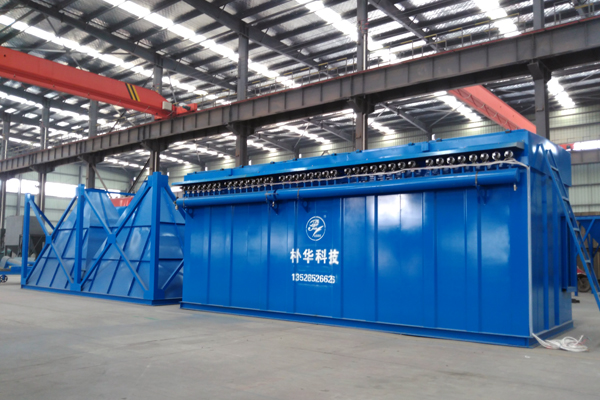
In the sand processing stage of a foundry, the dust generated is not ordinary dust. It is a mixture of high-temperature burnt sand particles, coal powder, and water vapor. This abrasive and humid environment presents a significant challenge: the filter bags in a baghouse dust collector are highly susceptible to wear and tear, which severely impacts the equipment's service life and dust removal efficiency. Therefore, the anti-wear design and selection of baghouse dust collectors are crucial for the stable operation of the entire foundry sand processing system.
This article will delve into how to systematically plan the anti-wear design from the perspectives of working condition analysis, structural optimization, and filter material selection, providing valuable references for foundry decision-makers. When choosing reliable equipment, partnering with an experienced manufacturer is key. Zhengzhou Puhua Technology, as a professional environmental protection equipment manufacturer, offers a complete range of dust removal solutions, including baghouse dust collectors, pulse dust collectors, and mobile dust collectors, to meet the stringent requirements of diverse foundry processes.
Analyzing the Roots of Wear: The Dual Nature of Foundry Sand Dust
Understanding the properties of dust is the first step in anti-wear design. The dust generated in foundry sand processing has two main characteristics:
High Abrasiveness: The particles contain hard quartz sand and burnt residues. As they flow at high speed through pipes and equipment, they act like sandpaper, causing friction and wear on the casing, air distribution plates, and filter bags.
High Humidity and Temperature: Due to the heat from castings, the dust-laden gas can have a temperature between 50-150°C and carries a significant amount of water vapor. When the temperature drops below the dew point, condensation occurs, causing the dust to stick and harden on the filter bag surface. This not only increases the filtration resistance but also makes the dust layer harder and more abrasive, and the cleaning process becomes more difficult, potentially leading to "bag blinding."
Neglecting the high humidity factor can lead to bag blinding, which is as damaging as abrasion, as it can paralyze the entire dust removal system.
Anti-Wear Design Core: From Inlet to Outlet
To tackle this harsh working condition, the anti-wear design must be considered at multiple levels.
1. Inlet Air Distribution and Pre-Dust Removal
The dust-laden gas entering the hopper contains large, heavy particles. If these particles directly impact the filter bags, they will quickly damage them. Therefore, the following measures are necessary:
Air Distribution Plate Design: A well-designed air distribution plate can effectively block and deflect large particles, making them settle directly into the hopper. This reduces the direct impact of high-speed airflow on the filter bags.
Pre-Dust Removal Device: In some high-concentration scenarios, a cyclone separator or a sedimentation chamber is added before the baghouse. This pre-separates a large portion of the coarse particles, significantly lowering the dust concentration entering the baghouse and thereby reducing the load and wear on the filter bags.
2. Key Points in Filter Bag and Cage Selection
The filter bag is the core component and the most vulnerable to wear. When selecting, consider the following:
Filter Material Selection: Standard polyester felt often struggles in high-humidity environments. For high humidity and moderate temperatures, a water-repellent and oil-proof polyester needle-punched felt with a weight of 500-550g/m² is a suitable choice. For high-temperature environments (e.g., >130°C), materials like Nomex (aramid), PPS (polyphenylene sulfide), or P84 (polyimide) should be selected based on the specific temperature and chemical resistance requirements.
Enhanced Wear Resistance: The filter bag surface can be reinforced with processes like singeing and calendering to increase its density and wear resistance.
Protection of the Cage and Bag Mouth: To prevent wear at the bag mouth from the injection airflow, the bag mouth should feature a double-layered structure. Furthermore, adding a wear-resistant sleeve at the hole on the tube sheet where the cage is installed can effectively extend the overall service life of the filter bag.
3. Optimized Cleaning System
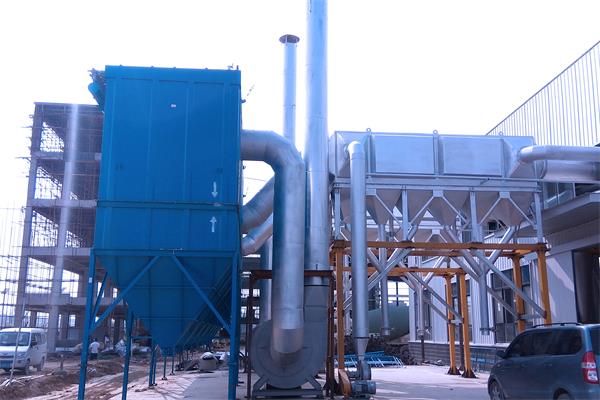
Cleaning is not just about blowing off dust; it is directly related to bag wear. Cleaning with too high pressure or too frequently can impact the bag surface, accelerating fiber fatigue and wear. Therefore, the cleaning system should use an "offline" cleaning method, allowing a chamber to stop filtering while being cleaned, thus preventing the "re-adsorption" of dust and achieving more thorough and efficient cleaning with lower energy consumption. Modern cleaning systems also use PLC programmable logic controllers to intelligently adjust the cleaning cycle and pressure based on the pressure differential, optimizing cleaning results and extending bag life.
Anti-Wear Design Selection Quick Guide
| Component | Anti-Wear Design/Selection Points |
|---|---|
| Air Distribution Plate | Design to block large particles; choose wear-resistant material |
| Filter Bag Material | Water-repellent/oil-proof polyester, Nomex, PPS, etc.; high weight (≥500g/m²) for enhanced wear resistance |
| Filter Bag Structure | Double-layered mouth reinforcement, wear-resistant sleeves on the tube sheet |
| Cleaning Method | Offline cleaning to avoid re-adsorption; PLC intelligent control of cleaning frequency/pressure |
Case Sharing: Successful Application in Foundries
A foundry’s sand processing workshop was originally using a wet dust collector, facing high wastewater treatment costs and pipe freezing issues in winter. After switching to a dry baghouse dust collector, they selected a high-quality water-repellent/oil-proof filter material and optimized the cleaning system. As a result, the dust emission concentration dropped below 10 mg/m³, the filter bag replacement cycle was extended to over 18 months, and annual savings on water and sewage treatment costs amounted to approximately 500,000 yuan.
Conclusion
The design and selection of a baghouse dust collector for foundry sand processing is a systematic project. It requires in-depth analysis of working conditions, selecting appropriate filter materials, and optimizing the structural design to achieve a low operating resistance, long filter bag life, and stable emissions. Choosing a supplier that understands the foundry process is crucial for the project’s long-term success. Zhengzhou Puhua Technology is a Henan-based manufacturer specializing in environmental protection equipment. With extensive experience in designing and producing industrial dust collectors—including baghouse dust collectors, pulse dust collectors, and RCO/RTO catalytic combustion equipment—it can provide foundries with a complete range of efficient, reliable, and durable dust removal solutions, helping you achieve green production and sustainable development.
Related Articles
-

Zeolite Fixed Bed+Catalytic Combustion Equipment (RCO)
[list:visits]
-

Resin desorption+condensation recovery equipment
[list:visits]
-

Cooking oil fume purifier
[list:visits]
Subscribe to Our Newsletter
Stay updated with the latest news and insights from Puhua Tech.