
Coal Transfer Station Dust Control: The Combined Power of Dust Suppression Equipment and Baghouse Du
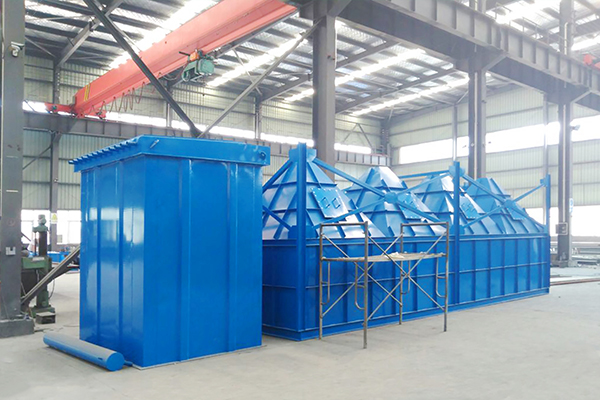
In the industrial sector, coal transfer stations are critical nodes in the material handling process. However, they are also significant sources of fugitive dust emissions. The mechanical handling of coal—whether through conveying, dropping, or transferring—generates substantial amounts of airborne particulate matter. This not only poses serious health risks to onsite personnel but also leads to environmental compliance challenges, increased maintenance costs, and potential safety hazards such as dust explosions. For enterprises seeking sustainable and efficient operations, implementing a robust dust management strategy is not merely a regulatory formality; it is a core component of operational excellence.
A highly effective approach to resolving this challenge involves deploying a dual-pronged strategy: integrating dust suppression equipment with baghouse dust collectors. This combination offers a comprehensive solution that addresses dust at its source and captures residual particles from the air, ensuring emissions meet or exceed environmental standards. When considering equipment for such critical applications, the expertise and technology provided by a trusted manufacturer like Zhengzhou Puhua Technology are invaluable.
Understanding the Dust Generation Mechanism at Coal Transfer Points
To effectively combat dust, it is essential to understand its origin. At a transfer point, coal falling from a height induces a powerful airflow into the chute and transfer tower. This induced air creates a positive pressure zone within the enclosed area. Consequently, dust-laden air escapes through any available opening, including the ends of the chute, skirt board seals, and other equipment gaps, leading to a pervasive dust problem in the surrounding environment .
The conventional approach of merely trying to contain this dust is often ineffective. A more strategic method involves reducing the induced air velocity and capturing the dust-laden air. This is where the synergy between dust suppression systems and baghouse dust collectors becomes apparent.
The Combined Strategy: Suppression and Collection
An effective dust management plan for a coal transfer station operates on two levels:
Source Reduction (Dust Suppression): This involves treating the material to prevent dust from becoming airborne in the first place.
Air Filtration (Dust Collection): This involves extracting and cleaning the air that has already become laden with dust.
This integrated approach ensures both proactive and reactive dust control, creating a multi-layered defense against pollution. The combination of these two methods is the coal transfer station dust control best practice adopted by leading enterprises.
Part 1: Dust Suppression Equipment - Preventing Dust at the Source
The first line of defense is dust suppression equipment. Unlike collection systems that remove dust after it is airborne, suppression systems aim to prevent dust particles from becoming suspended in the air. The most common and effective technology for this purpose is the water spray or dry fog system.
Dry Fog Suppression: This method uses compressed air and water to create an ultra-fine mist of water droplets (typically 1-10 microns). These droplets are engineered to be the same size as dust particles. When the fog and dust collide, they agglomerate, becoming heavier and falling back to the material stream or conveyor belt. This technique is highly effective and adds minimal moisture to the product.
Wet Suppression Systems: These systems spray water directly onto the coal stream at key points, such as the head and tail pulleys of conveyors, to wet the material and reduce dust generation.
Enclosures and Chute Design: A key part of suppression includes controlling airflow. A properly designed transfer chute minimizes the drop height and reduces induced air. Combined with skirt boards and rubber seals, this physically contains the dust, allowing the suppression system to work more effectively.
By reducing the amount of dust that becomes airborne, these systems significantly reduce the load on the secondary collection equipment, thereby saving energy and extending the lifespan of the filters.
Part 2: Baghouse Dust Collectors - Capturing Airborne Particles
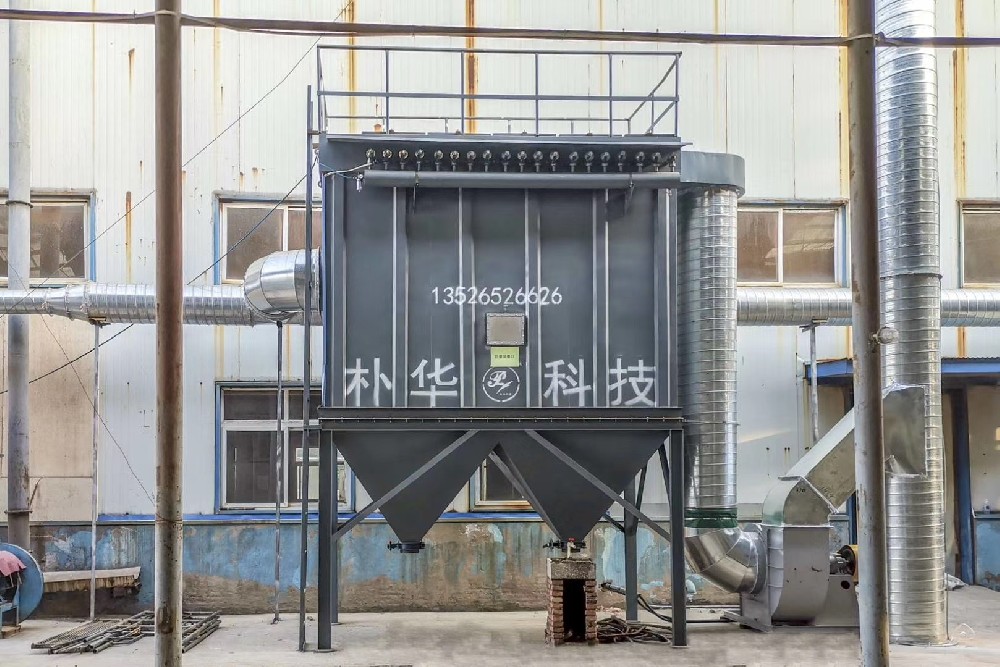
The second and crucial component of the strategy is the baghouse dust collector. While suppression handles the dust at the source, a baghouse is responsible for capturing the remaining airborne particles that the suppression system does not settle. These systems use negative pressure to extract dust-laden air from the transfer tower and conveyor enclosures.
A typical pulse jet baghouse operates using the following principle:
Extraction: A fan creates negative pressure, drawing dusty air from the transfer point through ducting into the baghouse.
Filtration: The dusty air passes through a series of vertically hanging, cylindrical fabric bags (filter bags). As the air moves through the fabric, dust particles are trapped on the outer surface of the bags, while clean air passes through to the inside.
Cleaning: Periodically, a blast of high-pressure compressed air is sent down the inside of the bags in a pulse. This causes a shock wave that shakes loose the accumulated dust (or dust cake). The dust falls into a hopper at the bottom of the collector for disposal or recovery.
Exhaust: The cleaned air is then exhausted through the fan and vented to the atmosphere.
This technology is capable of achieving extremely high collection efficiencies, often exceeding 99.9%, making it essential for meeting strict environmental regulations and achieving ultra-low emissions.
The Synergy of Suppression and Collection: A Detailed Look
The combination of these two systems creates a more robust and cost-effective solution than either could provide alone. Here is a comparison of the two approaches:
| Feature | Dust Suppression Equipment (Dry Fog/Spray) | Baghouse Dust Collector (Pulse Jet) |
|---|---|---|
| Objective | Prevent dust from becoming airborne | Capture dust that is already airborne |
| Operating Principle | Agglomeration of dust particles | Filtration through fabric media |
| Key Advantage | Reduces total dust load and energy consumption | High removal efficiency (99.9%+) |
| Output | Moistened material | Collected dust (powder) and clean air |
| Primary Application | At transfer points, crushers, and conveyors | Air extraction from enclosures and entire building |
For a coal transfer tower, the ideal design incorporates a fully sealed dust suppression system within the chute, while a baghouse is connected to the enclosure to maintain negative pressure . This combination ensures that dust is both minimized and effectively captured. For instance, in a project involving coal transfer stations, implementing this integrated strategy has been shown to reduce dust emissions to below 10 mg/Nm³, well within the requirements for ultra-low emission standards .
Key Considerations for System Design
Designing an effective combination system requires careful planning and understanding of the specific site conditions. Key factors include:
Material Characteristics: Coal dust is often combustible, and its particle size distribution will influence the efficiency of the dust suppression spray and the filtration media required for the baghouse.
Airflow (CFM) and Pressure: The system must be sized correctly to handle the volume of air induced by the material drop. A properly designed ducting system ensures optimal air velocity to prevent dust from settling in the duct.
Filter Media Selection: The fabric of the filter bags must be chosen based on the characteristics of the dust. For coal applications, PTFE or Nomex is often used due to their resistance to moisture and heat, with anti-static properties being critical for safety .
Regulatory Requirements: A comprehensive understanding of local and national emission limits (e.g., ultra-low emission standards) will dictate the level of filtration efficiency required.
Zhengzhou Puhua Technology: Your Partner in Dust Control Solutions
Implementing this sophisticated combination of technologies requires a partner with deep expertise in manufacturing and systems integration. Zhengzhou Puhua Technology is a leading high-tech enterprise based in Zhengzhou, specializing in environmental protection equipment . With over a decade of experience, they are a respected dust control equipment manufacturer known for its commitment to innovation and quality .
Zhengzhou Puhua Technology excels in the design, research, and production of a wide array of environmental solutions, including high-efficiency baghouse dust collectors, pulse-jet filters, VOCs treatment equipment (including RCO and RTO), and wet desulfurization scrubbers . Their expertise is critical in the coal transfer station context, where they can design and supply systems that meet the unique challenges of the application. Their success in the coal and energy sectors is evidenced by numerous project wins and achievements in reducing particulate matter .
Their team of engineers can design a dust control system that integrates state-of-the-art suppression and collection technologies, ensuring that your transfer station operates efficiently and in full compliance with environmental standards. Their capability extends from custom system design to the manufacturing of bags for dust collectors, supporting a complete, integrated solution . As a company that has received recognition as a specialized and sophisticated enterprise, they bring a high level of technical expertise and quality assurance to every project .
Conclusion
Addressing dust at coal transfer stations is a complex but solvable problem. Relying on a single approach is often insufficient to meet modern environmental standards and operational requirements. The most reliable and effective strategy is to deploy a combination of dust suppression equipment (to prevent dust from becoming airborne) and a baghouse dust collector (to capture what does).
This combined approach not only ensures a healthier and safer workplace but also protects equipment, reduces maintenance costs, and demonstrates a company's commitment to environmental stewardship. When looking to implement such a critical system, partnering with an experienced and innovative manufacturer like Zhengzhou Puhua Technology ensures that your project benefits from high-quality, custom-engineered solutions designed for long-term performance and reliability .
Related Articles
-

Zeolite Fixed Bed+Catalytic Combustion Equipment (RCO)
[list:visits]
-

Resin desorption+condensation recovery equipment
[list:visits]
-

Cooking oil fume purifier
[list:visits]
Subscribe to Our Newsletter
Stay updated with the latest news and insights from Puhua Tech.