
Optimizing Spray Booth Air Quality: The Proven Cartridge Dust Collector + Activated Carbon Adsorptio
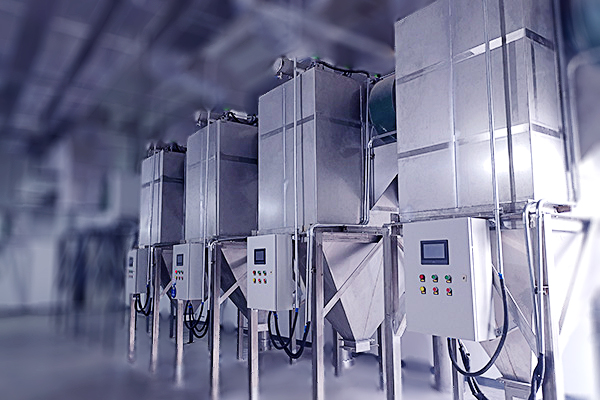
For manufacturing facilities, the spray painting workshop is often the epicenter of air quality challenges. The very nature of the process releases a complex mixture of hazardous air pollutants, including sticky paint mist, fine particulate matter, and volatile organic compounds (VOCs). These contaminants not only threaten worker health and safety but also pose a significant risk of regulatory non-compliance.
Managing this dual threat requires more than a piecemeal approach; it demands an integrated, robust, and reliable solution. This article explores the industry-proven combination of a cartridge dust collector for paint mist and a separate activated carbon adsorption system for organic废气治理, detailing why this tandem approach is the gold standard for achieving clean air and meeting stringent environmental regulations .
Understanding the Dual Challenge: Particulate and VOCs
Before diving into the solution, it is crucial to understand the enemy. Spray painting generates two primary pollutant categories :
Paint Mist and Particulate: These are the atomized paint particles that do not adhere to the target surface. This "overspray" often consists of resins, pigments, and other solid components that can form a sticky, hard-to-remove residue. If not captured at the source, this mist settles on equipment, floors, and in ventilation systems, posing fire hazards and compromising product quality. Fine dust from preparation processes like sanding also contributes to the particulate load.
Volatile Organic Compounds (VOCs): As paint, thinners, and hardeners dry and cure, they release volatile organic compounds. These gases, including xylene, toluene, and ethyl acetate, are the primary source of the characteristic "paint shop" smell. Chronic exposure to VOCs can lead to serious health issues, including respiratory problems and neurological effects, while their release into the atmosphere contributes to smog formation .
Treating one without the other is an invitation for system failure. For instance, directing paint-laden air straight into an activated carbon system will quickly clog the adsorbent material, rendering it useless and resulting in high operational costs .
The Synergistic Solution: Cartridge Dust Collector + Activated Carbon Adsorption
The most reliable and cost-effective strategy for comprehensive spray booth air treatment involves a staged approach. The goal is to first remove the particulate and then target the gaseous VOCs. This is where the pairing of a cartridge dust collector and a separate activated carbon adsorption system truly shines.
Stage 1: The Cartridge Dust Collector – First Line of Defense
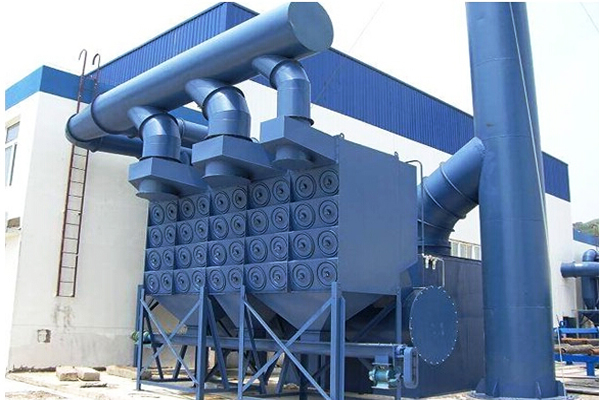
The initial and critical step is the removal of paint mist and dust. A cartridge dust collector is exceptionally well-suited for this task . Unlike traditional baghouse dust collectors, the cartridge filter features a pleated design that provides a significantly larger filtration area in a smaller footprint. This is a key advantage in often-cramped workshop environments.
Here is how the process works:
Capture and Collection: The contaminated air is drawn into the dust collector through a system of hoods and ducts. Airflow is managed to ensure a high capture efficiency at the source.
Filtration: The air enters the main body and passes through the cylindrical filter cartridges. These cartridges, often made from a pleated, non-woven synthetic media, act as a physical barrier. Paint mist and dust particles are deposited on the surface of the media, while the clean air passes through .
Pulse-Jet Cleaning: As the filter media captures more particles, the pressure drop across the system increases. To maintain optimal performance, a cartridge dust collector uses a pulse-jet cleaning system. A sudden burst of compressed air blows through the cartridge from the inside out, dislodging the accumulated dust, which falls into a hopper for disposal .
The cartridge dust collector offers several key benefits for spray booth applications:
High Efficiency: Cartridge filters can achieve removal efficiencies exceeding 99.9% for fine particles, ensuring the air leaving the collector is virtually dust-free .
Space-Saving Design: Their compact footprint makes them ideal for retrofitting into existing workshops .
Lower Maintenance: The pleated design provides a long service life, and the cartridges are easier to replace than traditional bag filters .
For challenging applications with sticky paint mist, some facilities incorporate a pre-treatment stage, such as a metal mesh filter or even a wet scrubber, before the cartridge dust collector to extend filter life .
Stage 2: Activated Carbon Adsorption – Neutralizing the Gaseous Threat
Once the particulate is removed, the air stream is largely free of solid contaminants, making it ready for the final polishing stage: the removal of VOCs. This is where an activated carbon adsorption system comes into play .
The process leverages the principle of adsorption, where gas molecules are captured on the surface of a highly porous solid. Activated carbon is an ideal adsorbent due to its vast internal surface area—one gram of it can have a surface area of over 1,000 square meters .
Here is the breakdown of its function:
Contact and Capture: The VOC-laden air is passed through a bed or series of beds containing activated carbon. As the gas stream flows over the carbon, the organic molecules are attracted to and trapped within the countless micropores on the carbon's surface .
Clean Air Release: The air exiting the carbon bed is now stripped of the vast majority of VOCs, rendering it clean enough to be recirculated or safely released into the atmosphere.
The design of the activated carbon adsorption system is paramount. Key design parameters include the type and grade of carbon used, the depth of the carbon bed, and the gas velocity (or "residence time") through the bed. These factors dictate the system's efficiency. For instance, an adsorption system with the correct design can effectively lower VOC concentrations to below regulatory limits, such as achieving an average removal rate of 90% or more .
| Feature | Cartridge Dust Collector | Activated Carbon Adsorption |
|---|---|---|
| Primary Target | Paint mist, dust, and solid particulate | VOCs and gaseous organic compounds |
| Filtration Mechanism | Physical barrier (pleated filter media) | Adsorption onto a porous surface |
| Key Feature | High collection efficiency (>99.9%) | High capacity for capturing gas molecules |
| Key Maintenance | Pulse-jet cleaning and periodic cartridge replacement | Carbon replacement or regeneration |
Why this Combination Works
These two technologies are not just effective individually; together, they form a symbiotic system that ensures long-term success .
Protection of Carbon Bed: The cartridge dust collector acts as a sacrificial shield, preventing paint mist from fouling and "blinding" the expensive activated carbon. Without this pre-filter, the carbon's lifespan would be drastically reduced, leading to frequent and costly replacements. This "pre-filter" strategy is considered a best practice and is often a regulatory requirement .
Comprehensive Compliance: By addressing both particulate and gaseous emissions, a facility can be confident in meeting the full spectrum of environmental regulations, covering everything from visible emissions to specific VOC concentration limits.
Advanced Options and Expert Support
For facilities requiring even greater efficiency or managing very high VOC loads, the activated carbon adsorption system can be further optimized. A popular upgrade is integrating it with a catalytic combustion system, such as RCO (Regenerative Catalytic Oxidizer) equipment . In this setup, the carbon acts as a concentrator. Instead of sending the carbon to a landfill when it is saturated, a small stream of hot air is used to "desorb" or release the concentrated VOCs. This highly concentrated stream is then sent to the RCO equipment, where it is oxidized at a lower temperature than a traditional thermal oxidizer, destroying over 95% of the VOCs and even producing usable heat . This regenerative approach is a hallmark of sophisticated VOCs治理 equipment .
Successfully implementing a spray booth air treatment solution requires expertise. An assessment of your specific process, the types of paints and solvents used, and the required air volume is the first step. Zhengzhou Puhua Technology is a professional manufacturer with deep experience in this field. They design and engineer a wide range of solutions, from individual cartridge dust collectors and activated carbon adsorption beds to complete integrated systems like RCO and RTO equipment . Their comprehensive product line includes all the necessary components for a turnkey system, helping clients navigate the complex landscape of VOCs治理.
Conclusion
The challenge of effectively purifying air within a spray painting workshop is a complex one, but not insurmountable. The clear, logical, and effective path forward is a staged approach: beginning with a high-efficiency cartridge dust collector to remove particulate, followed by an activated carbon adsorption system to polish the air by adsorbing harmful VOCs.
This combination offers a clear return on investment by protecting worker health, ensuring regulatory compliance, and minimizing the long-term operational costs associated with maintenance and media replacement. As environmental regulations tighten, embracing this proven combination is not just good practice—it is a business necessity for a sustainable future.
Ready to optimize your workshop's air quality? Contact a specialist to learn how the cartridge dust collector and activated carbon adsorption combination can be tailored to your specific operation.
Related Articles
-

Zeolite Fixed Bed+Catalytic Combustion Equipment (RCO)
[list:visits]
-

Resin desorption+condensation recovery equipment
[list:visits]
-

Cooking oil fume purifier
[list:visits]
Subscribe to Our Newsletter
Stay updated with the latest news and insights from Puhua Tech.