
High-Temperature Flue Gas (>200°C): Baghouse vs. Cartridge Filter – Which One Endures Better?
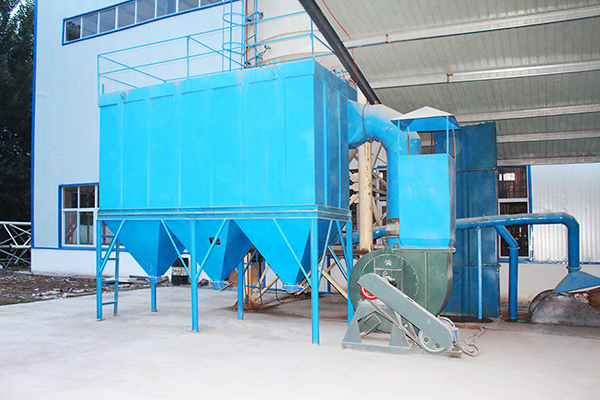
When your process exhaust exceeds 200°C, the question of filtration durability becomes critical. Engineers and plant managers often ask: for high-temperature flue gas, should we choose a baghouse or a cartridge filter? This article provides a comprehensive, data-driven comparison to help you make the right decision for your specific operating conditions.
Understanding the Challenge: Filtration Above 200°C
At temperatures above 200°C, standard filtration media face accelerated degradation. Thermal oxidation, hydrolysis, and mechanical stress all intensify. The selection between a baghouse dust collector and a pulse jet cartridge filter is not merely about initial cost—it directly impacts maintenance cycles, downtime, and long-term operational stability.
Key Performance Indicators for High-Temperature Filtration
To evaluate durability, we must examine four critical factors under sustained high-temperature exposure:
Thermal resistance – Maximum continuous operating temperature of the media
Chemical stability – Resistance to acid gases and moisture condensation
Mechanical integrity – Ability to withstand frequent pulse cleaning cycles
Filtration efficiency – Stable emission levels across temperature fluctuations
Baghouse Filters: Proven Performance in Extreme Heat
Baghouse systems, particularly those using fiberglass or PTFE membranes, have a long track record in high-temperature applications. With proper media selection, a baghouse dust collector can handle temperatures up to 260°C continuously, with short spikes up to 280°C.
Advantages of Baghouses at >200°C
Wide selection of heat-resistant fabrics (e.g., P84, meta-aramid, fiberglass with PTFE finish)
Superior performance in high-moisture or acidic flue gas streams
Lower pressure drop compared to rigid media when properly sized
Proven reliability in cement, steel, and power generation industries
Limitations to Consider
Higher initial investment for premium media
Potential for bag-to-bag abrasion during pulse cleaning
Requires precise control of gas distribution to avoid hot spots
Cartridge Filters: Compact Design with Thermal Constraints
Cartridge filters, typically made from cellulose-polyester blends or spun-bonded polyester, are designed for lower temperatures. Special high-temperature cartridges using PTFE membrane on a fiberglass or stainless steel support can operate up to 200°C–220°C, but sustained exposure above 200°C significantly shortens their lifespan.
Advantages of Cartridge Filters
Smaller footprint – up to 50% less floor space than baghouses
Higher filtration area per unit volume
Easier and cleaner change-out due to rigid construction
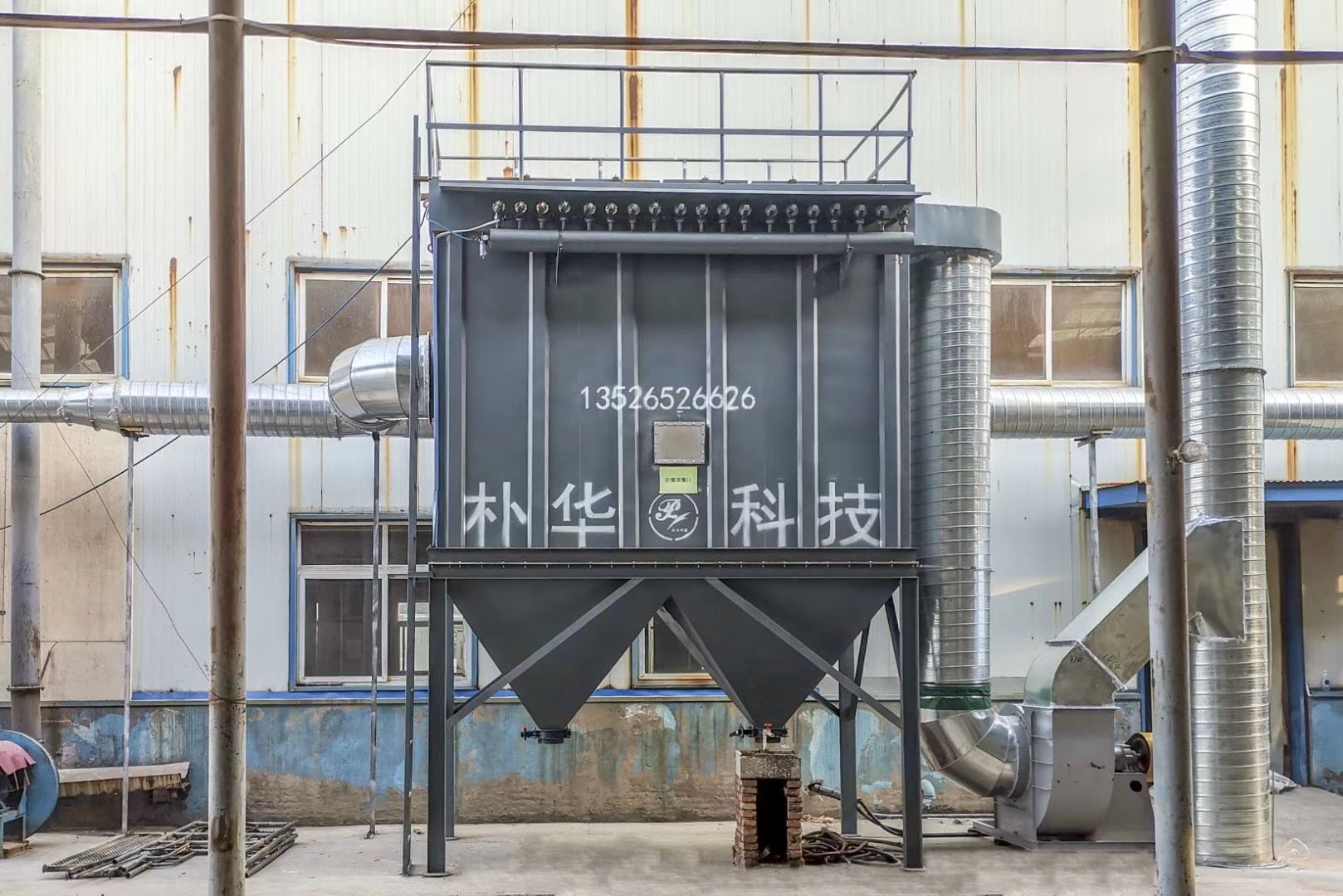
Critical Weaknesses Above 200°C
Pleated structure creates stress points – thermal expansion can cause crease cracking
Limited media choices – only specialty cartridges (e.g., sintered metal or ceramic) survive above 220°C
Higher pressure drop as dust bridges between pleats at elevated temperatures
Shorter cleaning intervals due to increased particle adhesion
Head-to-Head Comparison: Baghouse vs. Cartridge at >200°C
The following table summarizes the key differences for high-temperature flue gas applications (continuous operation at 210°C–250°C).
| Parameter | Baghouse Filter | Cartridge Filter |
|---|---|---|
| Max continuous temperature (standard media) | 240°C – 260°C | 180°C – 200°C |
| Max continuous temperature (premium media) | 280°C (fiberglass + PTFE) | 220°C (special synthetic) |
| Typical media life at >200°C | 2 – 4 years | 6 – 18 months |
| Thermal shock resistance | Good (flexible fabric) | Poor (rigid pleats) |
| Maintenance frequency | Moderate (bag inspection) | High (cartridge replacement) |
| Pressure drop stability | Stable with proper cleaning | Increases over time due to pleat clogging |
| Recommended for >200°C | Yes | Limited (consult manufacturer) |
Real-World Operational Considerations
Beyond media temperature limits, several practical factors influence the durability of each system in high-temperature environments.
1. Gas Stream Chemistry
Flue gas from processes like cement kilns or metal smelting often contains SO₂, HCl, and water vapor. At temperatures above the acid dew point (typically 130°C–150°C), corrosion is minimized. However, if the system experiences temperature drops due to startup or shutdown, condensation can occur. Baghouse filters with PTFE or fiberglass offer better acid resistance than most cartridge medias.
2. Cleaning System Effectiveness
Pulse-jet cleaning is standard for both designs. For baghouses, the flexible fabric allows efficient dust release even at high temperatures. For cartridge filters, the rigid pleats tend to retain dust more stubbornly at elevated temperatures, leading to increased residual pressure drop and shortened filter life.
3. Failure Modes
Baghouse: Most common failure is bag tearing near the cage or at the attachment point – typically detectable early via differential pressure monitoring.
Cartridge: Most common failure is pleat collapse or cracking at the fold lines – often sudden and leads to immediate emission spikes.
Which One Is More Durable for Your Application?
Based on the evidence, for continuous flue gas temperatures exceeding 200°C, baghouse filters demonstrate superior durability and reliability. Their flexible fabric construction, wider media selection, and better thermal tolerance give them a clear advantage. Cartridge filters may be suitable for intermittent high-temperature excursions or for applications where space is extremely constrained and temperature rarely exceeds 200°C.
However, the final decision depends on your specific process parameters – including gas composition, particulate loading, and allowable pressure drop. Many operators find that a properly designed pulse jet baghouse offers the best balance of longevity and performance for high-temperature applications.
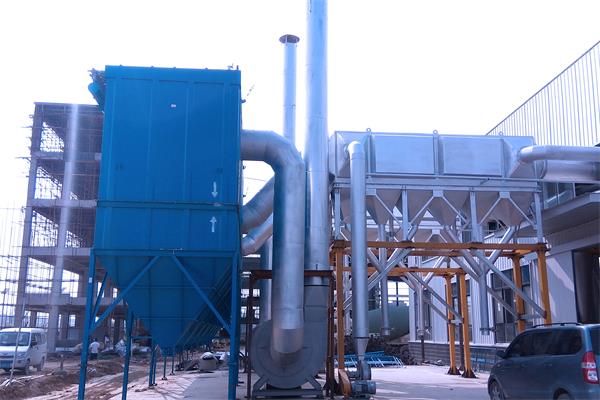
Why Choose Zhengzhou Puhua Technology for Your High-Temperature Filtration Needs
Zhengzhou Puhua Technology is a well-established manufacturer of environmental protection equipment in China, specializing in the design and production of dust removal systems, desulfurization units, denitrification equipment, VOCs treatment systems, pneumatic conveying devices, and wastewater treatment solutions. Our product portfolio includes baghouse dust collectors, RCO catalytic combustion devices, RTO equipment, VOCs abatement systems, desulfurization towers, denitrification equipment, photocatalytic oxidation systems, pulse jet dust collectors, mobile dust collectors, ultra-low emission systems, and more.
For high-temperature flue gas applications (>200°C), Zhengzhou Puhua Technology offers customized baghouse dust collector solutions with premium heat-resistant media, optimized cleaning cycles, and robust structural design. Our engineering team evaluates your specific gas parameters to recommend the most durable and cost-effective filtration strategy. With years of successful installations in the metallurgical, building materials, and chemical industries, we understand what it takes to maintain stable operation under extreme conditions.
Maintenance Tips to Extend Filter Life Above 200°C
Regardless of which system you choose, following these guidelines will help maximize filter durability:
Pre-cool the gas – If possible, use a heat exchanger or dilution air to reduce inlet temperature to within the media’s optimal range.
Maintain uniform gas distribution – Avoid localized hot spots by ensuring even flow across all filter elements.
Optimize pulse cleaning parameters – Adjust pressure and duration to achieve effective cleaning without over-stressing the media.
Monitor differential pressure closely – A sudden increase indicates potential media degradation or dust bridging.
Schedule regular visual inspections – Especially after startup/shutdown cycles where thermal stress is highest.
Conclusion
When the operating temperature consistently exceeds 200°C, the baghouse filter is the more durable and reliable choice compared to cartridge filters. Its flexible media, wider temperature range, and field-proven performance in heavy industries make it the preferred solution for challenging high-temperature flue gas streams. Cartridge filters, while offering space savings, typically require more frequent replacement and special media at these temperatures, reducing their cost-effectiveness over time.
For a tailored solution that balances performance, durability, and operational cost, consult with experienced suppliers like Zhengzhou Puhua Technology. Our expertise in baghouse dust collector design and high-temperature applications ensures you receive a system built to withstand the toughest conditions.
Related Articles
-

Zeolite Fixed Bed+Catalytic Combustion Equipment (RCO)
[list:visits]
-

Resin desorption+condensation recovery equipment
[list:visits]
-

Cooking oil fume purifier
[list:visits]
Subscribe to Our Newsletter
Stay updated with the latest news and insights from Puhua Tech.