
Retrofit Old Dust Collectors: Is It Feasible to Keep the Housing and Upgrade to Cartridge Filters?
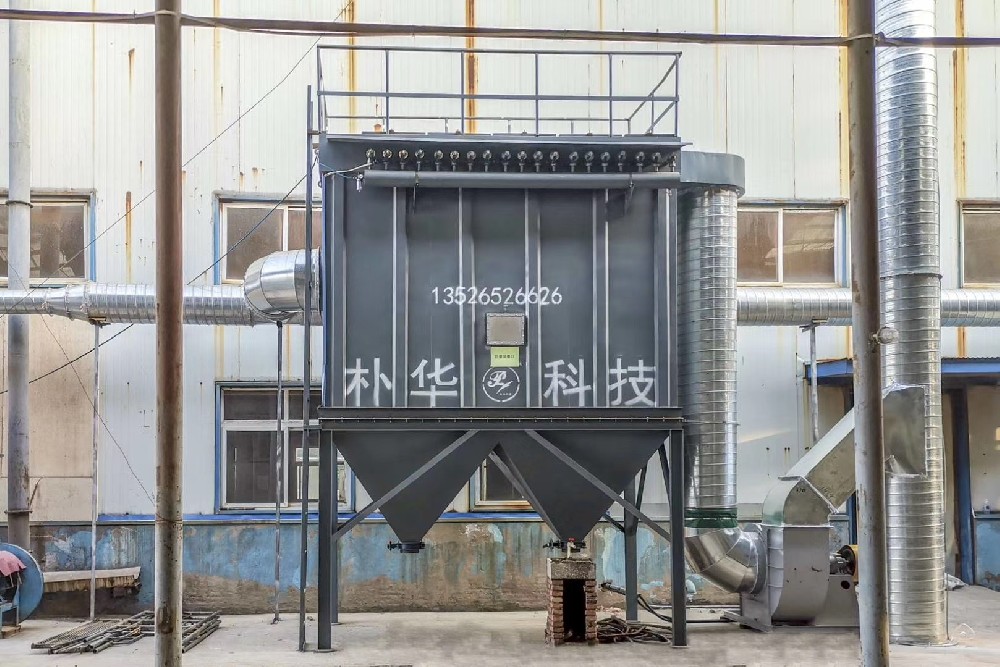
In the current industrial landscape, tightening environmental regulations are placing unprecedented pressure on manufacturing facilities. Many plants operate aging dust collection systems that struggle to meet modern emission standards, particularly the stringent ultra-low emission requirements of ≤10mg/Nm³. Faced with the high cost and downtime of a complete system replacement, a common question emerges: is it a viable strategy to retain the existing collector housing and retrofit the internal components with new cartridge filters? This article provides a comprehensive, in-depth analysis of this retrofit approach, examining its feasibility, benefits, critical considerations, and potential pitfalls. We will explore how to breathe new life into old equipment, achieving compliance and enhanced performance at a fraction of the cost of a new system.
Understanding the Retrofit Concept: The "Old Bottle, New Wine" Approach
The core principle of a dust collector retrofit is to leverage the existing, often robust, structural components of an old system—namely the main housing, hopper, and support structure—while completely overhauling its core filtration and cleaning mechanisms. This strategy is frequently applied to older baghouse dust collectors or electrostatic precipitators (ESPs) that are underperforming. By replacing outdated filter bags or internal electrodes with modern cartridge filters and an upgraded pulse-jet cleaning system, it is possible to achieve a significant performance boost. This approach, often referred to as baghouse to cartridge retrofit or a dust collector upgrade, offers a compelling balance of cost-efficiency and improved performance .
Evaluating Feasibility: Is Your Collector a Good Candidate for Retrofit?
Not every old collector is suitable for a retrofit. A thorough assessment of the existing equipment is the crucial first step. The following table outlines the key evaluation criteria for a successful cartridge retrofit project.
| Evaluation Aspect | Criteria for a Viable Retrofit | Red Flags & Potential Showstoppers |
|---|---|---|
| Structural Integrity | The main housing and hopper must be structurally sound with minimal corrosion or wear. | Extensive corrosion, severe wall thinning, or major structural damage. |
| Internal Volume & Space | Sufficient internal volume to accommodate the required number and size of cartridge filters. | Space is too limited to provide the necessary filter area for the required air volume. |
| Airflow Distribution | Existing inlet/outlet configuration allows for the installation of new baffles and air distribution systems. | Poor existing airflow design that cannot be easily corrected, leading to uneven filter loading. |
| Ancillary Equipment | Fans, ductwork, and compressed air systems are in good condition or can be easily upgraded. | Outdated, undersized, or failing fans and compressed air systems that are too costly to replace. |
If your collector meets these criteria, a retrofit is not just feasible but also a highly strategic investment.
Why Choose a Cartridge Filter Retrofit? Key Advantages
Opting for a cartridge filter replacement over a simple bag replacement offers several distinct advantages that make it an attractive dust collector upgrade solution.
Superior Filtration Performance
Higher Efficiency: Cartridge filters, with their advanced media and pleated design, offer a significantly larger filtration area in a compact footprint. This allows for a lower air-to-cloth ratio, resulting in higher collection efficiency, particularly for sub-micron dust particles, helping to achieve ultra-low emission targets .
Enhanced Cleaning: Modern cartridge elements are often paired with more effective, high-energy pulse-jet cleaning systems. This improves dust release, lowers pressure drop, and extends the operational life of the filters.
Economic and Operational Benefits
Cost Savings: By retaining the main housing, you save a considerable 40-60% compared to the cost of a full system replacement. This includes savings on manufacturing, shipping, and installation of a new collector .
Reduced Downtime: A retrofit project is typically much faster to complete than a full system replacement, minimizing disruption to production schedules.
Lower Maintenance: The robust design of many modern cartridge filters can lead to longer service life and more straightforward maintenance compared to some older bag designs .
Critical Considerations and Potential Risks of a Cartridge Filter Retrofit
While the benefits are significant, a successful cartridge retrofit requires careful attention to several critical factors to avoid costly mistakes.
The "Hidden Defects" of Old Housings: Retaining an old housing is the core of the retrofit's cost-effectiveness, but it brings risks. Older housings can have internal rust, sharp edges, or weld spatter that can easily damage new cartridge filters during installation or operation. A thorough internal inspection, cleaning, and grinding of any rough spots is non-negotiable .
Leakage and Condensation: Old housings may have developed leaks over time. Air infiltration can lead to condensation in the hopper and around the filters, causing dust to cake ("mud") onto the filter media, a condition known as "bag binding." This can quickly ruin new, high-efficiency filters. Proper sealing of all leaks and potentially adding insulation are critical steps .
Matching the Filter to the Application: The type of cartridge filter selected must be specifically suited to the application. For example, a polyester filter for ambient air, a PTFE-coated filter for applications with moisture, or an anti-static filter for explosive dust .
Upgrading the Cleaning System: The old cleaning system is almost certainly undersized for the new, high-performance cartridge filters. The retrofit must include a comprehensive upgrade to the pulse-jet cleaning system. This involves installing larger pulse valves, larger blowpipes, and a larger air manifold to deliver the high-volume, short-duration pulses needed to effectively clean pleated cartridges .
Expert Solutions for Your Dust Collector Retrofit
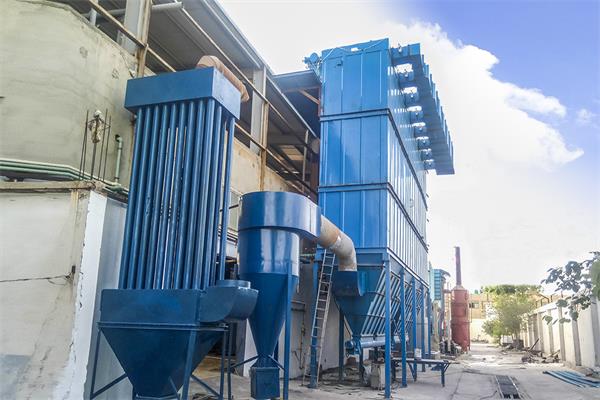
Navigating the complexities of a dust collector upgrade requires specialized expertise. As a leading environmental equipment manufacturer, Zhengzhou Puhua Technology (郑州朴华科技有限公司) provides comprehensive solutions for dust collector retrofits. With over a decade of experience in designing and manufacturing pollution control equipment, their team of experts understands the nuances of converting old, inefficient systems into modern, high-performance filtration assets.
Zhengzhou Puhua Technology specializes in a wide range of products and services critical for a successful retrofit project. Their offerings are engineered to meet the most stringent environmental standards, ensuring your upgraded system delivers reliable, compliant performance for years to come. Their portfolio includes high-efficiency pulse-jet dust collectors, advanced cartridge filters, and complete solutions for flue gas desulfurization and denitrification, as well as VOC treatment. By leveraging a deep understanding of industrial processes, they provide tailored retrofits that maximize the value of your existing equipment investment .
Conclusion: A Smart Path to Compliance and Performance
Retrofitting an old dust collector by retaining the housing and upgrading to cartridge filters is a highly viable and economically sound strategy for many industrial facilities. It offers a path to meet modern ultra-low emission standards and achieve high operational efficiency at a fraction of the cost of a new system. However, its success hinges on a detailed evaluation of the existing equipment and a meticulously planned approach to address potential risks. By partnering with an experienced provider like Zhengzhou Puhua Technology, you can ensure your cartridge retrofit is a resounding success, transforming an environmental liability into a reliable, high-performance asset for your operation.
Related Articles
-

Zeolite Fixed Bed+Catalytic Combustion Equipment (RCO)
[list:visits]
-

Resin desorption+condensation recovery equipment
[list:visits]
-

Cooking oil fume purifier
[list:visits]
Subscribe to Our Newsletter
Stay updated with the latest news and insights from Puhua Tech.