
Baghouse Filter Bag Burn-Through Accidents: A Complete Guide to High-Temperature Flue Gas and Spark
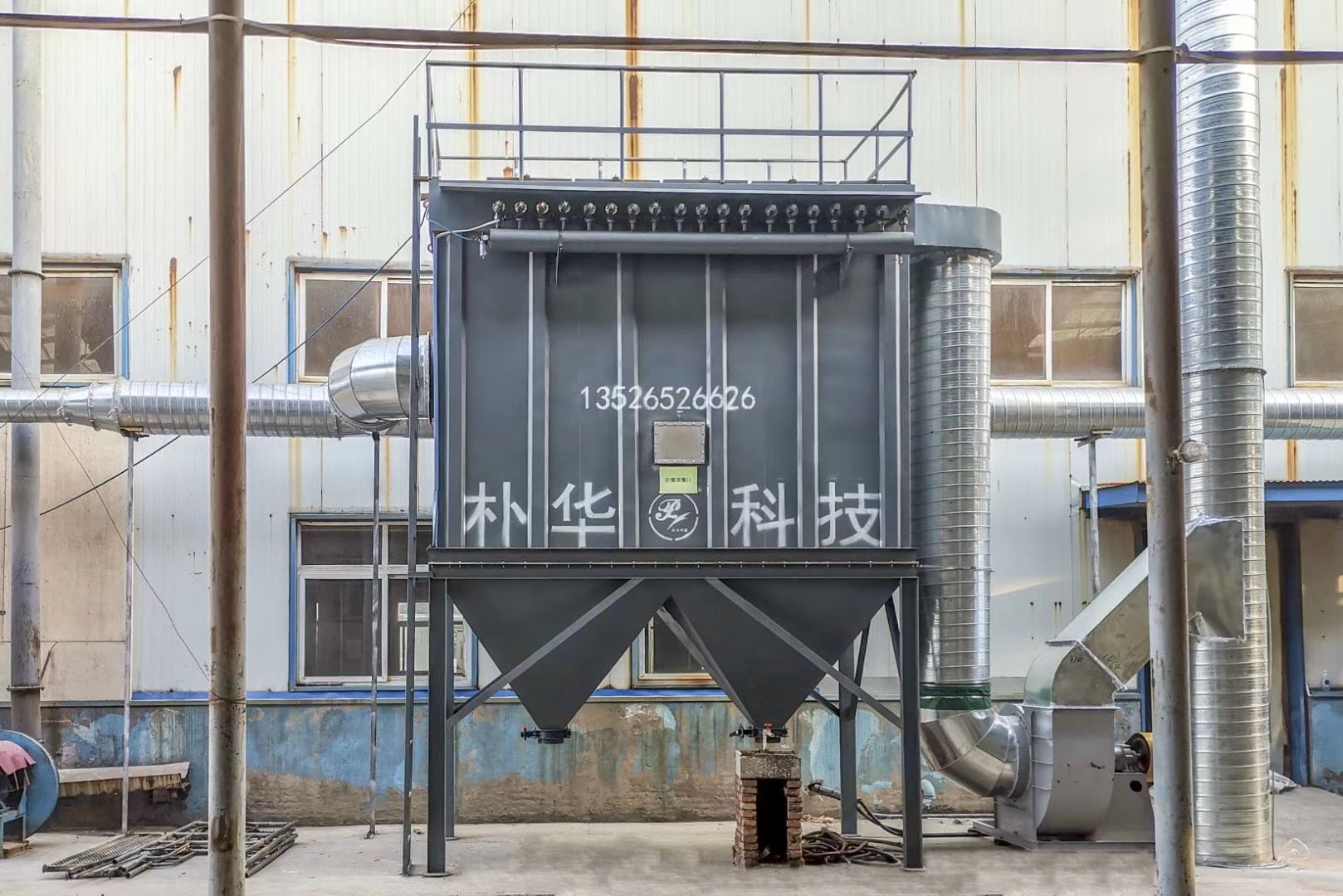
Baghouse dust collectors are the cornerstone of industrial particulate matter control, yet one of the most persistent and costly challenges faced by plant operators is the “burn-through” or “burning” of filter bags. These incidents, often referred to as “Burn-Through” accidents, not only lead to expensive downtime and replacement costs but also pose significant safety risks. This guide provides a comprehensive analysis of why these events occur and, more importantly, offers a complete strategy for protecting your baghouse from high-temperature flue gas and damaging sparks.
Understanding the Baghouse Burn-Through Problem
The term “burn-through” in a baghouse context refers to damage inflicted on filter bags by excessive heat or burning particulates. This can manifest as small, irregular holes or, in severe cases, widespread destruction of the filter media . The root causes can be divided into two primary categories: continuous high-temperature exposure and the impact of stray sparks or embers.
1. Damage from Continuous High Temperatures
Each type of filter bag material has a specific maximum continuous operating temperature. When this threshold is consistently exceeded, the fabric can suffer irreversible damage. For instance, while materials like aramid or PPS offer good heat resistance, they will degrade and fail if the system operates above their design parameters. This can lead to the filter bag shrinking around the support cage, making it difficult to remove, or the fabric becoming brittle and failing catastrophically .
2. Damage from Sparks and Embers
Sparks and burning embers are often the more insidious culprit. In many industrial applications, such as those involving furnaces, kilns, or dryers, small, burning particles of fuel or material can be carried by the flue gas stream directly into the baghouse . These embers can have several devastating effects:
Direct Burning: An ember can land directly on a filter bag and burn a hole through it, creating a pathway for dust-laden gas to bypass the filter and cause emissions to spike .
Igniting Dust Layers: Perhaps the most dangerous scenario occurs when a spark lands on a filter bag that has a thick layer of combustible dust, such as dried coal powder, on its surface. The spark can ignite this dust layer, leading to a smoldering fire that can quickly spread and destroy numerous bags and potentially the entire filter system .
Strategic Defenses: A Multi-Layered Protection Plan
Protecting a baghouse from fire damage requires a holistic, multi-stage approach. No single measure is 100% effective on its own, so a combination of prevention and mitigation strategies is essential .
Level 1: Combustion Control and Process Management
The first line of defense is to address the source. Proper combustion control in upstream processes can significantly reduce the number and size of sparks produced. This includes regular maintenance of burners, using quality fuel, and optimizing the air-to-fuel ratio for complete combustion.
Level 2: Pre-Treatment of the Flue Gas
If sparks and high temperatures cannot be entirely eliminated at the source, the flue gas must be conditioned before it reaches the baghouse.
| Method | Function | Description |
|---|---|---|
| Pre-Cooling | Temperature Reduction | Techniques like spray cooling towers or air-to-air heat exchangers are used to bring the flue gas temperature down to a safe range for the filter bags, preventing thermal degradation . |
| Pre-Dust Collection | Coarse Particle Removal | Installing a cyclone or other inertial separator upstream of the baghouse can capture larger, heavier particles, including some sparks, before they can reach the delicate filter media . |
| Spark Arrestors | Spark and Ember Capture | This is the most direct defense against sparks. Spark arrestors are devices installed in the ductwork between the process and the baghouse designed to intercept and extinguish burning particles . |
Level 3: Spark Arrestors – The Critical Component
A spark arrestor can be a mesh screen, a series of baffles, or a more advanced device that uses centrifugal force to separate heavy particles from the gas stream . A case study from a steel plant demonstrates the importance of this component. The plant was experiencing recurring burn holes in their filter bags. After a thorough inspection, the root cause was found to be a deteriorated and unmaintained spark arrestor in the ductwork. Once the damaged spark arrestor plates were replaced and a regular maintenance schedule was implemented, the issue of burn holes was completely eliminated .
Key considerations for spark arrestors include:
Material: They must be constructed from high-grade, heat-resistant materials like stainless steel (e.g., 304 stainless steel) to withstand the high temperatures and potentially corrosive nature of the flue gas .
Maintenance: Spark arrestors require regular inspection and cleaning. If they become clogged with dust or are damaged, they will not function effectively. Systems with a clean-in-place (CIP) design can reduce maintenance downtime .
Level 4: Selecting the Right Filter Bag
Choosing the proper filter bag material is a fundamental protective measure. The final decision depends on the specific characteristics of the flue gas.
PPS (Polyphenylene Sulfide): A common choice for high-temperature applications like coal-fired boilers, offering good resistance to heat and chemicals.
Aramid (e.g., Nomex): Another high-temperature fabric with good resistance to abrasion and heat, often used in asphalt and cement plants .
PTFE (e.g., Teflon): Offers the highest level of chemical and temperature resistance, making it suitable for the most demanding applications .
Anti-Static/Anti-Flame Treated: In applications with flammable dust, filter bags can be manufactured with anti-static and flame-retardant properties to reduce the risk of ignition .
Level 5: System Design and Monitoring
Finally, the overall system design and the use of modern monitoring technology are vital.
Bypass Dampers: In the event of an extreme temperature spike, a bypass damper can redirect the hot gas around the baghouse to prevent catastrophic damage until the process returns to normal .
Temperature Monitoring: Installing reliable temperature sensors at the baghouse inlet with high-temperature alarms allows operators to take immediate corrective action, such as introducing cooling air, before damage occurs .
Differential Pressure Monitoring: Unusual pressure drops can indicate a problem, such as a collapsed bag, a heavily clogged filter, or even a fire. Monitoring this data can provide early warnings .
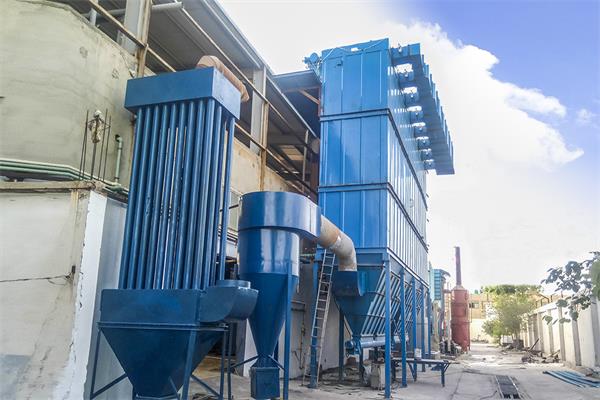
Case Study: Addressing Extreme High-Temperature Challenges
The effectiveness of a comprehensive approach is best demonstrated through real-world application. Zhengzhou Puhua Technology, a professional manufacturer of environmental protection equipment, was recently tasked with providing a dust collection solution for a large-scale magnesium smelting project. The exhaust gas from this process presented a perfect storm of challenges: it was extremely hot, highly corrosive, and contained a high concentration of fine particulate matter.
To solve this, Zhengzhou Puhua Technology designed and manufactured a custom high-temperature pulse baghouse. The solution incorporated several of the protection strategies mentioned:
High-Grade Materials: The system used a special fiberglass membrane filter material that could withstand continuous operating temperatures of up to 280°C .
Pre-Cooling: A proprietary “pre-cooling + gradient filtration” system was integrated to rapidly reduce the temperature of the extremely hot exhaust gas from the reduction process before it reached the filter media .
Anti-Clogging Design: The system was engineered to prevent the accumulation of sticky dust on the bags, a common problem that can lead to cleaning difficulties and potential fire hazards .
This project successfully delivered emissions far below national standards (reaching 4.7 mg/m³), demonstrating that even the most challenging high-temperature and high-corrosion applications can be managed effectively with the right engineering and equipment .
Building a Robust Maintenance Routine
Protecting your baghouse from burn-through is an ongoing process that relies on vigilant maintenance.
Regular Inspections: Conduct routine visual inspections of the filter bags for any signs of damage, pinholes, or burn marks .
Spark Arrestor Maintenance: As shown by the steel plant case, spark arrestors are not “fit and forget” devices. They must be inspected and cleaned or replaced on a regular schedule to ensure they are functioning correctly .
Monitor Operating Data: Continuously monitor temperature and pressure data. Trend analysis can help you identify and address potential issues before they lead to failures .
Clear Operating Procedures: Ensure all operators are trained on the procedures for handling high-temperature alarms, emergency bypass operations, and regular system checks .
Conclusion
Baghouse “burn-through” accidents are a serious threat to industrial operations, but they are preventable. A comprehensive safety strategy is built on a foundation of proper process control, effective pretreatment of flue gas (including robust spark arrestors), careful selection of filter bag materials, intelligent system design, and a committed maintenance program. By taking a proactive and multi-layered approach, plant operators can protect their equipment, ensure compliance, and maintain a safe and efficient working environment. Zhengzhou Puhua Technology offers a comprehensive range of environmental protection equipment, including various types of baghouse dust collectors, RCO catalytic combustion devices, RTO equipment, and more, all of which can be incorporated into a robust pollution control strategy.
Note: Always consult with a qualified engineering professional to design a system that perfectly fits your specific process conditions and requirements.
Related Articles
-

Zeolite Fixed Bed+Catalytic Combustion Equipment (RCO)
[list:visits]
-

Resin desorption+condensation recovery equipment
[list:visits]
-

Cooking oil fume purifier
[list:visits]
Subscribe to Our Newsletter
Stay updated with the latest news and insights from Puhua Tech.