
Filter Cartridge Dust Collector Pulse Valve Weak Injection? Check These 3 Key Areas
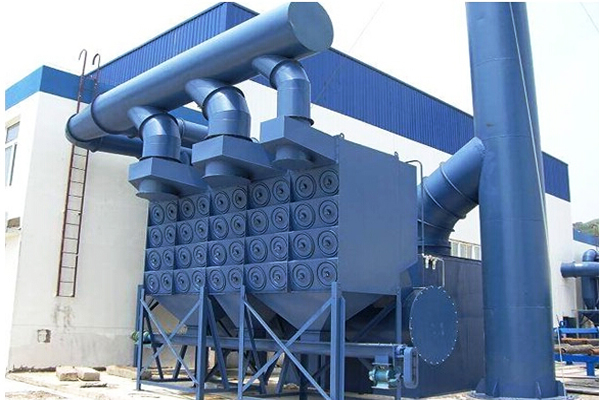
In the daily operation of a filter cartridge dust collector, the pulse jet cleaning system is the core mechanism for maintaining stable filtration performance. When you observe a significant increase in system resistance, a drop in processing air volume, or excessive dust emission at the outlet, the pulse valve may be experiencing "weak injection." This means the compressed air cannot effectively clean the filter cartridges, leading to a rapid decline in dust collector efficiency. This article will analyze the three most critical areas for排查 and provide practical solutions from the perspectives of gas source, electrical control, and mechanical components.
Area One: Gas Source and Air Quality – The "Power Source" of the Pulse Valve
The function of the pulse valve relies on stable, dry, and clean compressed air. Gas source issues are one of the most common causes of weak injection.
1. Insufficient or Unstable Air Pressure
When the compressed air pressure supplied to the air bag is too low (generally below 0.3MPa), the membrane will lack sufficient lifting force, preventing the valve port from fully opening, resulting in weak injection. Additionally, if the air compressor output pressure is unstable or the pipe diameter is too small, the pressure may drop sharply during simultaneous operation of multiple pulse valves, affecting the cleaning effect.
2. Excessive Moisture and Oil Content in Compressed Air
Compressed air that has not been dried or filtered contains large amounts of water and oil mist. These impurities can cause the valve core to rust and seize, while also corroding the membrane, accelerating its aging and rupture. In cold environments, water freezing can directly block the valve body. If the blow pipe is sprayed with an oil-water mixture for a long time, it will also cause the filter cartridge to become damp and harden, significantly reducing the dust collector's service life.
Inspection Checklist and Solutions
| Inspection Item | Normal Condition | Solution |
|---|---|---|
| Air bag pressure gauge reading | Stable at 0.3 - 0.6MPa | Check the air compressor and pipeline for leaks; add an air storage tank |
| Oil-water separator drainage | No obvious accumulated water or oil in the cup | Install a freeze dryer and precision filter; drain regularly (at least once per shift) |
| Pipeline filter differential pressure | Pressure loss < 0.1MPa | Clean or replace the filter element |
Area Two: Pulse Valve Body and Membrane – The "Execution Unit" of the System
If the gas source is normal, the problem likely lies within the pulse valve itself. The membrane is the "heart" of the pulse valve; long-term high-frequency impact, air pressure fluctuations, and oil and water corrosion can all cause membrane fatigue, aging, and rupture.
Membrane rupture: A ruptured membrane will cause the valve to fail to seal, resulting in constant air leakage and the inability to form effective injection pressure.
Valve core stuck: Impurities (rust, welding slag, dust) in the pipeline can get caught between the valve core and the valve seat, preventing the valve from opening or closing properly.
Spring failure: A weakened spring cannot press the membrane tightly, causing poor sealing and air leakage, affecting injection force.
When checking, you can first feel the valve body temperature and listen for abnormal air leaks. If the valve body is constantly cold or emits a continuous "hissing" sound, the internal seal is likely damaged. It is recommended to regularly dismantle and inspect the valve body, removing internal impurities and checking membrane wear. If the membrane has lost elasticity or has cracks, it should be replaced immediately.
Area Three: Electrical Control System – The "Command Center" of Pulse Injection
The control system issues injection signals to the pulse valve. Control failures also manifest as weak or no injection.
Coil burnout: If the pulse valve does not operate at all, first use a multimeter to check the coil resistance. If the resistance is infinite (open circuit) or zero (short circuit), the coil is damaged and needs replacement. Voltage instability or coil moisture are common causes of burnout.
Controller program error: If the pulse injection interval is too short or too long, or the injection time is insufficient (generally normal injection time is 90-100ms), it will also lead to poor cleaning. Check whether the parameters of the pulse controller have been altered or if the program is disordered.
Line connection issues: Loose terminal connections, oxidation, or broken wires can cause signal interruption, preventing pulse valves in some areas from working.
When inspecting the electrical system, ensure the power supply voltage is stable (e.g., AC220V or DC24V). In humid environments, install waterproof covers for the coils and regularly organize protective conduit for the lines to prevent them from being damaged by machinery.
Comprehensive Troubleshooting Process
When encountering weak pulse valve injection, you can follow the steps below for systematic排查.
Step 1: Observe the pressure gauge. Check whether the pressure gauge reading of the air bag is within the normal working range (0.4-0.6MPa). If the pressure is normal, proceed to the next step; if low, check the gas source system.
Step 2: Listen for abnormal sounds. During operation, listen closely to the sound of the pulse valve injection. A crisp "popping" sound indicates a normal injection force; a dull sound indicates insufficient air pressure or a stuck valve core. Continuous air leaks indicate membrane or seal damage.
Step 3: Manually test. Trigger the pulse valve through the control cabinet to observe the valve action. If the valve fails to open or opens incompletely, first replace the coil or membrane for testing.
Step 4: Check the blow pipe. Check whether the nozzle of the blow pipe is misaligned with the center of the filter cartridge. If the installation position deviates significantly, the cleaning effect will be uneven, and one side of the filter material will wear severely.
If the problem persists after the above inspections, it is recommended to contact the original equipment manufacturer for technical support. As a professional manufacturer of environmental protection equipment, Zhengzhou Puhua Technology has deep technical accumulation in industrial dust control. The company not only provides standard pulse dust collectors, RCO catalytic combustion equipment, RTO equipment, VOCs treatment equipment, desulfurization towers, and denitrification equipment but also provides customized design and transformation services for existing equipment. Its products are widely used in mining, petrochemicals, printing and dyeing, and coating industries. In the face of complex pulse valve fault problems, professional technical support can help you quickly locate the cause and ensure the stable and efficient operation of the dust collector system.
Conclusion
Weak injection from the pulse valve of a filter cartridge dust collector is usually a result of the combined effects of the gas source, valve body, and control system. Regular maintenance and data monitoring are effective ways to prevent faults. By establishing standard operating procedures, including regular drainage, filter element replacement, and membrane inspection, can significantly extend the service life of the equipment. For businesses looking to enhance their production environment and improve dust collector performance, choosing reliable equipment suppliers and professional maintenance services is key.
Related Articles
-

Zeolite Fixed Bed+Catalytic Combustion Equipment (RCO)
[list:visits]
-

Resin desorption+condensation recovery equipment
[list:visits]
-

Cooking oil fume purifier
[list:visits]
Subscribe to Our Newsletter
Stay updated with the latest news and insights from Puhua Tech.