
What to Do When Dust Collector Bags Clog? A Summary of 11 Common Faults and Solutions
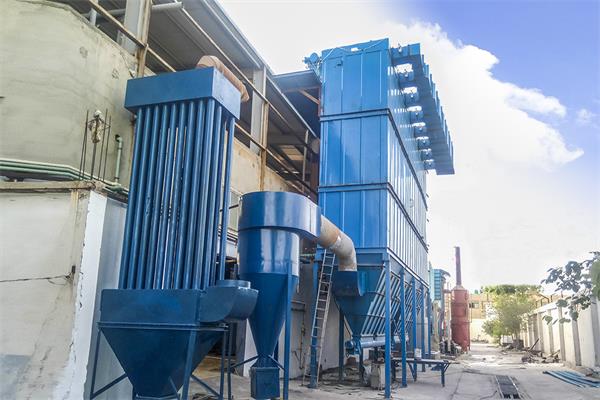
In the realm of industrial air pollution control, the efficiency of a baghouse (or dust collector) is paramount. As environmental regulations tighten, maintaining a stable pressure drop and achieving optimal emission levels is non-negotiable. Central to this performance is the health of the filter bags. When a baghouse filter bag fails or becomes blocked, it can cripple production, increase energy costs, and lead to regulatory non-compliance.
This guide provides a comprehensive, technical deep-dive into the 11 most common dust collector bag failures and their remedies. Drawing from field expertise, we cover everything from filter bag clogging and leakage to mechanical damage and maintenance best practices. For complex system integration and tailored solutions, industry leaders like Zhengzhou Puhua Technology specialize in designing and manufacturing equipment—including baghouse dust collectors, RCO catalytic combustion devices, and RTO equipment—that mitigate these risks from the ground up.
1. Filter Bag Clogging (High Differential Pressure)
The Problem: This is the most frequent complaint. A sudden or gradual increase in pressure drop indicates the filter bags are blinding off. Causes include:
Moisture & Condensation: Leaks in the housing or ductwork, or operation below the dew point, cause dust to adhere stubbornly to the bags .
Inadequate Cleaning: Insufficient pulse jet cleaning pressure, overly long cleaning intervals, or a malfunctioning timer .
High Air-to-Cloth Ratio: Processing more air than the system is designed for forces dust deep into the fabric.
The Solution:
Inspect and seal all housing joints and ductwork to prevent air in-leakage. Ensure hopper heaters and insulation are functional.
Optimize the cleaning cycle. Monitor the pressure differential and adjust the pulse duration and frequency. For complex systems, a "clean-on-demand" controller offers precision .
Verify the compressed air supply is dry and oil-free. Install a dryer or separator if necessary .
2. Filter Bag Tearing & Physical Damage
The Problem: Visible emissions at the stack often point to torn or worn fabric filters. This is usually mechanical:
Abrasion: High inlet velocities or abrasive dust (e.g., silica, metal oxides) erode the fabric .
Poor Cage Fit: Rough or rusty filter bag cages (support structures) rub against the fabric. Weld spatter or sharp edges are common culprits .
Excessive Cleaning Pressure: Overly high compressed air pressure flexes the bag too violently, causing stress fractures.
The Solution:
Inspect cages regularly. Grind down burrs and replace corroded units. Ensure bags are not too tight or too loose on the cage .
Install abrasion-resistant baffles or plates at the inlet to protect bags from the raw gas stream .
Fine-tune pulse pressure. A standard setting is typically 60-80 psi; going over 100 psi often does more harm than good.
3. Filter Bag Burning (Thermal Damage)
The Problem: High-temperature sparks or hot particles entering the baghouse can burn holes in the fabric. This often happens during welding or if a pre-heater malfunctions. Additionally, dust collector hoppers with accumulated combustible dust can experience self-ignition .
The Solution:
Install spark arrestors or a pre-chamber to drop heavy sparks before they reach the bags.
Maintain proper hopper discharge schedules. Do not let dust pile up to the point of the element.
Consider using high-temperature resistant fabrics like aramid or fiberglass if high-temp excursions are frequent.
4. Leakage at the Tube Sheet (Bypass)
The Problem: Dirty air bypasses the filter media because the seal between the bag cuff and the tube sheet is compromised. This can happen due to incorrect installation, worn gaskets, or "bag pop-off" caused by high differential pressure or inconsistent hole sizes .
The Solution: Ensure bag cuffs are properly seated and seal 360 degrees around the hole. If using snap-band bags, verify the band is not weakened. In severe cases, professional equipment providers like Zhengzhou Puhua Technology can offer retrofit solutions or design upgrades to ensure a perfect seal, drawing on their experience with ultra-low emission equipment design.
5. Hopper Plugging & Dust Bridging
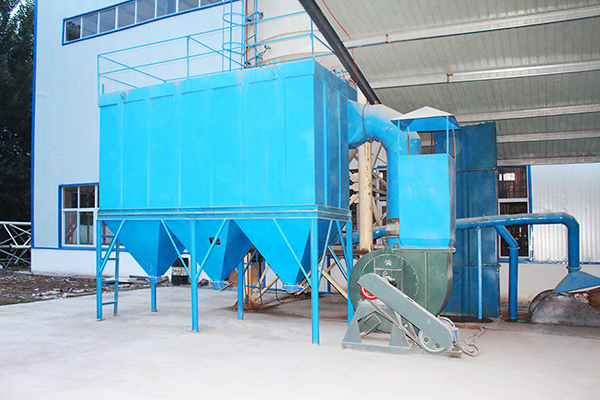
The Problem: Material builds up in the hopper and stops flowing. This can lead to "sandblasting" of the filter bags as the fan pulls air through the restricted space, or even hopper collapse.
The Solution: Install level indicators to monitor material levels. Ensure the discharge mechanism (rotary valve or screw conveyor) is operational. For sticky dust, hopper vibrators or aeration pads can help maintain flow.
6. Pulse Valve Malfunction
The Problem: The cleaning system fails. Symptoms include a diaphragm not opening, a solenoid coil burning out, or a lack of compressed air pressure. This leads directly to filter bag clogging .
The Solution: Regularly inspect and rebuild pulse valves. Check the solenoid for voltage and operation. Ensure the compressed air manifold is drained of water daily.
7. Incorrect Filter Media Selection
The Problem: The chosen fabric cannot handle the chemical or thermal environment. For example, using polyester (filter bag material) in a 150°C stream with acidic condensation will rapidly degrade the fabric.
The Solution: Analyze the gas stream. Use aramid for high heat (200°C), PTFE for corrosive environments, and anti-static or water-repellent finishes where applicable .
8. Visible Emissions (White Smoke or Dust)
The Problem: As mentioned, this is usually holes or leaks. However, it can also be "puffing" during cleaning if the pulse pressure is too high and fails to settle the dust cake before the next cycle.
The Solution: Isolate compartments to inspect for leaks. If a new bag is installed, allow it to "pre-coat" with dust to build up the initial cake, which actually aids in filtration .
9. High Compressed Air Consumption
The Problem: The system is cleaning too frequently or the pulse width is too long, wasting energy.
The Solution: Use a differential pressure controller to initiate cleaning only when required, rather than on a fixed time cycle. This is a key upgrade for older baghouse dust collectors.
10. Corrosion of Housing & Cages
The Problem: Gases with a high moisture content and acidic components will corrode the carbon steel housing, leading to leaks and structural weakness.
The Solution: Use stainless steel for cages and increase the housing's corrosion allowance. Regular painting and maintenance of seals are essential .
11. Uneven Dust Distribution
The Problem: Inlet air hits one area of the bags more than another, causing uneven wear and loading. This is a design flaw often found in retrofits.
The Solution: Install inlet baffles or deflectors to distribute the gas flow evenly across the bag array.
Preventive Maintenance Schedule for Baghouses
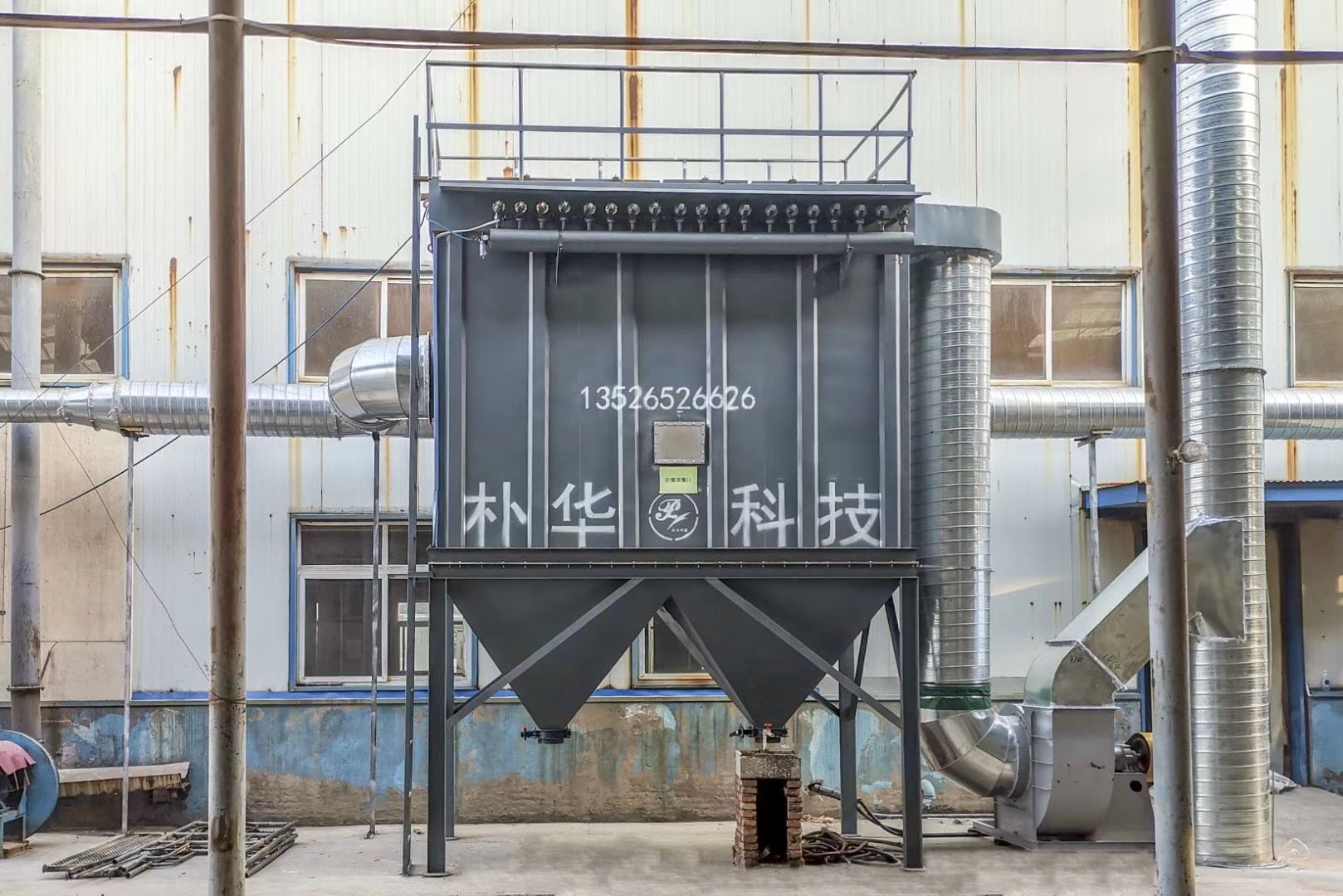
Prevention is cheaper than cure. The following schedule is standard in the industry for maintaining a baghouse filter system and is often recommended by leading manufacturers like Zhengzhou Puhua Technology.
| Frequency | Action | Objective |
|---|---|---|
| Daily | Check manometer reading. Inspect stack for emissions. Check hopper level. | Early detection of bag failure or blockage . |
| Monthly | Inspect V-belts on fans and shakers. Check for leaks in ducting. | Prevent mechanical failure and air bypass. |
| Quarterly | Inspect inlet baffles for wear. | Protect bags from abrasive blasting . |
| Annually | Inspect housing for corrosion. Check cage integrity. Replace seals. | Maintain structural integrity and air-tightness . |
Conclusion
Effective dust collector bag troubleshooting relies on understanding the root cause—be it moisture, mechanical friction, or thermal shock. By implementing a rigorous maintenance schedule and responding swiftly to pressure drops or visible emissions, you can significantly extend filter bag life and ensure regulatory compliance.
When performance bottlenecks exceed routine maintenance, or when designing new systems for complex applications—such as VOCs organic waste gas treatment or desulfurization—relying on experienced partners is crucial. Zhengzhou Puhua Technology provides comprehensive solutions, from pulse dust collectors and RCO catalytic combustion devices to high-efficiency desulfurization towers, ensuring your particulate control and gas treatment are in expert hands.
Frequently Asked Questions (FAQs)
How often should I replace dust collector bags? Typically every 12-24 months, depending on operating conditions and abrasiveness of the dust. Monitor pressure drop for the best indicator.
Can I wash dust collector bags? It is generally not recommended for industrial baghouses as it can damage the fabric structure. Replacement is usually more cost-effective.
What is the ideal air-to-cloth ratio? It varies heavily by application (typically 1:1 to 6:1). Very fine or sticky dust requires a lower ratio.
Why does my baghouse pressure drop spike after rain? Humidity in the air can cause condensation and clogging. Ensure your compressed air dryer is functioning, and the hopper heaters are on.
Related Articles
-

Zeolite Fixed Bed+Catalytic Combustion Equipment (RCO)
[list:visits]
-

Resin desorption+condensation recovery equipment
[list:visits]
-

Cooking oil fume purifier
[list:visits]
Subscribe to Our Newsletter
Stay updated with the latest news and insights from Puhua Tech.