
Baghouse Filter Problems: The Critical Differences Between “Bag Blinding” and “Bag Burning” and How
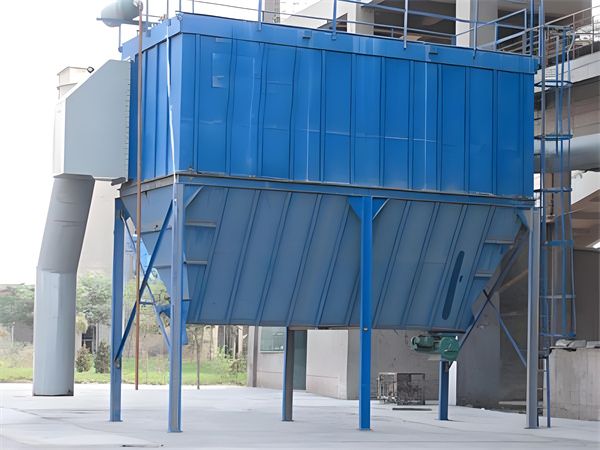
If you operate a baghouse dust collector, two of the most costly and disruptive problems you can encounter are “bag blinding” (often called “Bag Blinding” in Chinese industrial contexts) and “bag burning” (“Burn-Through”). Though they sound similar, these are distinct failure modes with entirely different root causes and solutions. Misdiagnosing one for the other can lead to wasted maintenance efforts, continued operational inefficiencies, and even catastrophic equipment failure.
This article provides a comprehensive, side-by-side comparison of bag blinding and bag burning. We will examine the causes, symptoms, and proven solutions for each, drawing on industry best practices and operational experience. For over a decade, Zhengzhou Puhua Technology has been a leading manufacturer of environmental protection equipment in China, specializing in the design and production of baghouse dust collectors and other air pollution control devices. This guide reflects the practical knowledge we have gained in helping industrial clients optimize their dust collection systems. Whether you are dealing with a sudden pressure drop increase or a visible hole in a filter bag, this guide will help you identify the problem and take corrective action.
What is Baghouse Filter Blinding?
Baghouse filter blinding is a phenomenon where a dust cake forms on the filter media that cannot be removed by the cleaning system. Over time, this dust becomes tightly packed, cohesive, or even cemented to the fabric, drastically reducing the filter’s permeability.
The Primary Causes of Bag Blinding
Understanding why blinding occurs is the first step to preventing it. The reasons typically fall into three main categories:
Condensation (Dew Point) Blinding: This is one of the most common causes. When the operating temperature of the baghouse drops below the acid dew point of the flue gas, moisture condenses on the filter bags. This liquid mixes with the dust, creating a mud-like substance that plugs the fabric pores. Several factors can contribute to this:
Low system operating temperature.
Cold compressed air used for pulse cleaning.
Air in-leakage through holes, doors, or welding defects, which cools the gas stream.
Adhesive or Sticky Dust: Some dusts are inherently sticky or have a high moisture content. These particles can adhere to the fibers of the filter bag, forming a strong bond that the cleaning cycle cannot overcome. Examples include oily particles, certain chemical byproducts, and fine, hygroscopic dust that absorbs moisture from the air.
Operational Issues: Incorrect start-up and shut-down procedures can also lead to blinding. For example, failing to pre-coat a new filter bag with a protective layer before start-up can allow fine particles to penetrate the fabric. Similarly, shutting down the system without first purging it with dry air can leave moist, dusty bags to "set" and harden.
Symptoms of Bag Blinding
High Differential Pressure (ΔP): The most telling sign is a significant and sustained increase in pressure drop across the baghouse.
Increased Fan Energy Use: The system struggles to pull air through the blinded bags.
Frequent Cleaning Cycles: The system tries to compensate for the high pressure drop by cleaning more often.
What is Baghouse Filter Burning?
Unlike blinding, which is a physical or chemical clogging issue, "bag burning" refers to damage caused by excessive heat or direct contact with flames or sparks. This damage is often irreversible and can compromise the mechanical integrity of the filter bag.
The Primary Causes of Bag Burning
High-Temperature Damage: This occurs when the flue gas temperature exceeds the maximum operating limit of the filter bag material. For example, if a coal dust dryer malfunctions and sends extremely hot gas into the baghouse, the accumulated coal dust on the bag surface can ignite, potentially destroying the entire set of bags in a chain reaction.
Hot Sparks: In applications like furnaces, kilns, and dryers, the flue gas often contains incandescent sparks. If these sparks contact a filter bag, especially when the protective dust cake is thin, they can burn small holes through the fabric. These are typically characterized by small, irregularly shaped holes.
Thermal Shrinkage: Even without direct contact with a spark, prolonged exposure to temperatures at the upper end of a bag's design range can cause the filter media to shrink. This can pull the bag tight against the cage, distorting the fabric, impeding cleaning, and causing premature failure.
Symptoms of Bag Burning
Visible Holes: Rips or irregular burn holes in the filter fabric.
Elevated Outlet Emissions: A sudden spike in visible dust exiting the stack is a strong indicator of a torn or burned bag.
Brittle or Shrunken Fabric: During inspections, bags feel stiff, brittle, or are physically shorter than their original length.
Bag Blinding vs. Bag Burning: A Side-by-Side Comparison
| Feature | Bag Blinding (Fouling/Caking) | Bag Burning (Thermal Damage) |
|---|---|---|
| Primary Cause | Moisture, condensation, sticky dust, poor operation. | Excessive heat, sparks, or thermal shrinkage. |
| Key Symptom | High, persistent differential pressure (ΔP). | Visible holes, tears, or increased visible emissions. |
| Appearance of Bags | Heavily caked with dust; fabric pores are blocked; hard mud-like crust. | Burn holes, shrunken fabric, stiff/brittle material, or melting. |
| Detection Method | Monitor pressure drop gauges. | Visual inspection and stack opacity monitoring. |
| Nature of Damage | Often progressive and reversible (if caught early and cleaned). | Typically instantaneous and irreversible. |
Solutions and Prevention Strategies
Prevention is always more cost-effective than dealing with a failure. Here are actionable solutions for both issues.
Solutions for Preventing Bag Blinding
Control Operating Temperature: Ensure the system operates at a temperature at least 25-35°C above the acid dew point. This prevents moisture from condensing on the bags.
Insulate and Seal: Properly insulate the baghouse housing and ductwork to minimize heat loss. Maintain a low leak rate (less than 3%) by sealing access doors and ensuring high-quality welding.
Pre-Coating: Always pre-coat new or clean filter bags with a fine, dry, and non-sticky material (such as limestone) before introducing process gas. This helps build a layer that protects the fabric and aids in dust release.
Purge Before Shutdown: Before shutting down a baghouse, continue to run the fan to purge the system of any wet, humid, or corrosive gases, replacing them with dry ambient air.
Solutions for Preventing Bag Burning
Pre-Treat Hot Gases: For processes generating high temperatures, consider installing a gas cooler (like a quench tower or duct cooler) or a spark trap upstream of the baghouse.
Maintain Dust Cake: Ensure the bag cleaning system is not too aggressive. A thin but stable dust cake on the bag surface acts as a protective layer that can absorb and cool sparks before they damage the fabric.
Regularly Empty Hoppers: Hot dust accumulating in the hopper can overheat the bottom section of the bags. Ensure a reliable and regular dust removal schedule.
Conclusion
Properly diagnosing the difference between bag blinding and bag burning is essential for maintaining the efficiency, safety, and cost-effectiveness of your baghouse dust collector. Blinding is a performance issue driven by moisture and sticky dust, leading to high pressure drop and increased energy costs. Burning is a structural issue driven by heat, leading to emissions and bag damage.
By implementing a rigorous inspection and maintenance program that monitors both differential pressure and visible emissions, you can catch these problems early. Partnering with an experienced equipment manufacturer is also a crucial step. Zhengzhou Puhua Technology provides a full range of dust removal equipment, including baghouse dust collectors, as well as technical guidance to help you select the right filter media and operating parameters for your specific application, avoiding these common pitfalls and ensuring long-term, reliable system performance.
Related Articles
-

Zeolite Fixed Bed+Catalytic Combustion Equipment (RCO)
[list:visits]
-

Resin desorption+condensation recovery equipment
[list:visits]
-

Cooking oil fume purifier
[list:visits]
Subscribe to Our Newsletter
Stay updated with the latest news and insights from Puhua Tech.