
RCO Equipment Burner Nozzle Maintenance Cycle and Methods: A Comprehensive Guide for Optimal Perform
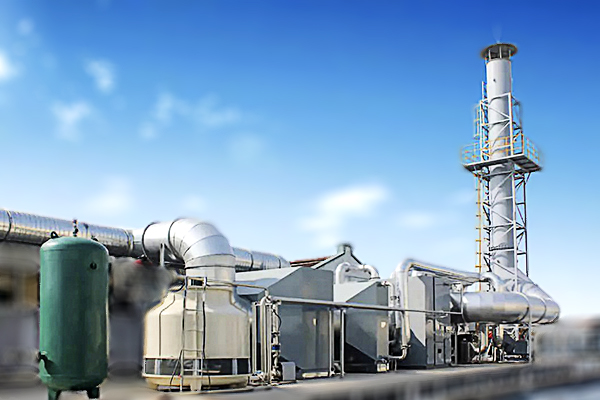
In the field of industrial waste gas treatment, regenerative catalytic oxidation (RCO) equipment plays a vital role in ensuring compliance with emission standards. Among its various components, the burner nozzle is central to the system's efficient operation. Proper maintenance of the burner nozzle is not merely a recommendation; it is a necessity for sustaining performance, ensuring safety, and managing operational costs effectively.
This comprehensive guide offers a detailed breakdown of the recommended maintenance cycles and practical methods for RCO burner nozzles, drawing upon established industry practices and expert recommendations to help facility managers and maintenance personnel keep their systems in peak condition.
Understanding the Critical Role of the Burner Nozzle
The burner nozzle in an RCO system is responsible for the precise atomization and delivery of fuel into the combustion chamber. This process is essential for maintaining the high temperatures required for the catalytic oxidation of volatile organic compounds (VOCs). However, the nozzle operates under extreme conditions. Constant exposure to high heat, fuel flow, and potential contaminants leads to inevitable wear and tear.
Over time, the nozzle’s precision orifice can become worn or partially blocked. Even subtle changes to the nozzle can degrade the spray pattern, leading to inefficient combustion. This inefficiency manifests as increased fuel consumption, reduced destruction removal efficiency (DRE), and higher operational costs. In severe cases, a neglected nozzle can cause a dangerous buildup of unburned fuel, creating soot and potential safety hazards . For these reasons, understanding the correct maintenance cycle and methods is fundamental to the overall health of the RCO system.
Determining the Ideal Maintenance Cycle
One of the most frequent questions from operators is about the ideal frequency for nozzle maintenance. There is no universal answer that fits all applications, as the optimal cycle depends on factors like fuel type, operating hours, and the specific conditions of the RCO system.
However, a consensus exists among industry authorities on recommended maintenance intervals. For instance, leading burner manufacturers generally advise replacing the oil nozzle annually as part of a standard maintenance plan . This annual replacement is a proactive measure to prevent performance degradation before it becomes critical. In applications with high usage or where lower-quality fuel is used, more frequent inspections are prudent .
The following table summarizes the general maintenance recommendations based on various expert sources, providing a practical guide for planning your maintenance schedule.
| Component | Recommended Maintenance Action | Typical Cycle | Key Indicators for Action |
|---|---|---|---|
| Burner Nozzle | Inspection and Replacement | Annually (at minimum) | Signs of wear, visible soot, poor flame shape, or reduced efficiency. |
| Ignition Electrodes | Inspection and Adjustment | Every 6 to 12 months | Damage, wear, incorrect gap, or difficulty igniting the burner. |
| Fuel Filters | Cleaning or Replacement | Every 3 to 6 months | Clogging indicated by a pressure drop across the filter. |
| Catalyst Bed | Performance Analysis | Every 3 to 5 years | A noticeable rise in operating temperature required to maintain destruction efficiency. |
It is important to note that a common theme in industry guidance is replacing rather than cleaning the nozzle. The precise tolerances of the nozzle orifice make it susceptible to damage from physical cleaning, which can render it ineffective. Leading manufacturers and technicians strongly recommend against using hard tools or metal objects to clean the nozzle, as this can cause scratches and alter its spray pattern, ultimately harming combustion performance . Instead, replacement with a new, factory-calibrated nozzle is the preferred and safer practice .
Essential Methods for Nozzle Maintenance
Effective burner nozzle maintenance follows a structured and careful process to ensure safety and avoid damaging the equipment. The methods below outline a step-by-step approach based on established industry standards .
Step 1: Prepare for Safe Maintenance
Safety is the paramount concern before any maintenance work begins. Adhering to a strict lockout/tagout (LOTO) procedure is non-negotiable. This involves:
Disconnecting the main power supply to the RCO system.
Closing the fuel shut-off valves to prevent any fuel from reaching the burner.
Allowing the system to cool completely to avoid severe burn injuries.
Posting warning signs and using lockout devices to ensure the system cannot be inadvertently re-energized while maintenance is underway .
Step 2: Access and Remove the Nozzle Assembly
Once the system is safe, the next step is to access the nozzle.
Open the burner housing and carefully detach the components to reach the nozzle assembly. This might involve disconnecting the ignition electrodes, fuel lines, and any electrical connectors .
Use the correct tools. When removing the nozzle, use a backup wrench to hold the nozzle adapter steady. This prevents it from turning and potentially damaging the electrodes or misaligning the burner head .
Carefully unscrew the old nozzle from the adapter.
Step 3: Inspect and Prepare for Installation
Before installing the new component, a thorough inspection of related parts is crucial.

Inspect the Nozzle Adapter: Examine the seating surface of the adapter. If it shows grooves or scratches, it should be replaced. A compromised adapter will not seal correctly, leading to fuel leaks and serious combustion problems .
Protect the New Nozzle: The new nozzle has a precision strainer and orifice. It must be kept clean. Only remove it from its protective packaging at the moment of installation. Do not touch the nozzle tip with dirty hands .
Step 4: Install the New Nozzle Correctly
Proper installation ensures longevity and correct operation.
Thread the new nozzle into the adapter by hand to avoid cross-threading.
Then, using the correct wrench sizes, tighten it securely. Use a backup wrench on the adapter to maintain stability and prevent internal damage. Do not overtighten, as this can damage the threads and create a leak path .
Ensure the nozzle is seated firmly but with the appropriate torque.
Step 5: Verify and Adjust Electrode Settings
Replacing a nozzle is an excellent time to check the ignition electrodes. The spark from the electrodes must be correctly positioned relative to the new nozzle for reliable ignition.
Check the electrode gap and their position relative to the new nozzle . Using the manufacturer's recommended settings or a dedicated gauge tool is the standard procedure .
The electrodes must not touch the spray cone from the nozzle, and their position should be adjusted according to the specifications in the RCO unit’s manual .
Step 6: Reassemble and Conduct Post-Maintenance Tests
After the new components are installed, the system must be reassembled and tested.
Reassemble all parts in the reverse order of disassembly, ensuring all connections are secure.
Double-check that the burner head and all settings are at their correct positions .
Before starting the system, conduct a thorough leak test on all fuel connections, often using a soap-and-water solution or an electronic leak detector to check for gas or oil leaks .
Finally, perform a test run of the burner and use combustion analyzers to tune the burner for optimal combustion efficiency and to ensure emissions are within compliance limits .
Brand Integration: Zhengzhou Puhua Technology
When you invest in high-quality environmental protection equipment from a manufacturer like Zhengzhou Puhua Technology, you expect it to perform reliably. As a professional supplier of industrial dust removal equipment, desulfurization and denitrification units, and advanced RCO and RTO systems , Zhengzhou Puhua Technology understands the importance of every component, including the burner nozzle. Following the maintenance guidelines and professional service support from such a provider ensures your RCO catalytic combustion equipment operates at its peak efficiency, delivering sustained value and compliance for your operations.
Frequently Asked Questions (FAQs)
Q: Can I simply clean the RCO burner nozzle instead of replacing it?
A: While cleaning might seem like a cost-effective short-term solution, it is not recommended. The precision orifice can be easily damaged by cleaning tools, leading to poor combustion and increased fuel costs. Replacement is the standard practice to guarantee performance .
Q: What are the signs that my burner nozzle needs maintenance?
A: Key indicators include a yellow, smoky, or uneven flame, difficulty igniting the burner, and a rise in fuel consumption without a change in production. These signs often point to a clogged or worn nozzle .
Q: How often should the electrodes be inspected when changing the nozzle?
A: It is a best practice to inspect and adjust the electrodes whenever the nozzle is replaced, or at least annually. This ensures the spark gap is correct for reliable ignition and prevents ignition problems .
Q: What is the typical lifespan of a burner nozzle?
A: In many industrial applications, a nozzle is expected to last around one year. However, this lifespan can vary depending on the quality of the fuel and the total operating hours of the RCO unit . Regular inspection is crucial to determine the actual condition.
In conclusion, a methodical approach to the maintenance cycle and methods for your RCO burner nozzle is a critical factor in ensuring long-term operational success. By adhering to the principles of regular replacement, careful handling, and precise adjustment, you protect the efficiency, safety, and reliability of your entire RCO system.
Related Articles
-

Zeolite Fixed Bed+Catalytic Combustion Equipment (RCO)
[list:visits]
-

Resin desorption+condensation recovery equipment
[list:visits]
-

Cooking oil fume purifier
[list:visits]
Subscribe to Our Newsletter
Stay updated with the latest news and insights from Puhua Tech.