
How to Clean and Maintain RCO Combustion Equipment Heat Storage Media: A Comprehensive Guide
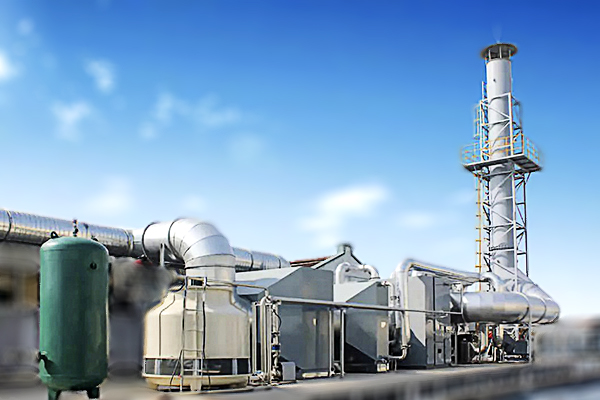
In the field of industrial waste gas treatment, the regenerative catalytic oxidizer (RCO) is widely recognized for its efficiency and energy-saving capabilities. At the heart of this sophisticated system lies the ceramic heat storage media, a critical component that directly influences the overall purification efficiency and operational stability. However, during long-term operation, the heat storage media is prone to clogging, contamination, and performance degradation. This guide provides a systematic approach to cleaning and maintaining RCO equipment heat storage media, offering practical solutions to extend service life and ensure system performance.
Understanding the Role of Heat Storage Media in RCO Systems
The heat storage media in an RCO system is typically composed of structured ceramic materials like honeycomb ceramics. These materials have high specific surface areas and excellent thermal shock resistance, allowing them to efficiently absorb and release heat during the oxidation of volatile organic compounds (VOCs). During operation, high-temperature purified gas passes through the media, transferring heat for preheating incoming waste gas, thereby reducing fuel consumption. This cyclical process makes the media susceptible to particulate matter accumulation and chemical fouling.
Why Regular Cleaning is Essential
Neglecting the maintenance of heat storage media can lead to severe consequences for your RCO system:
Increased Pressure Drop: Blocked media restricts airflow, forcing the main process fan to work harder and increasing energy consumption.
Reduced Heat Exchange Efficiency: Contaminants insulate the ceramic surface, preventing effective heat transfer and requiring more fuel to maintain operating temperatures.
Potential Catalyst Deactivation: While the catalyst bed is separate, severe media fouling can lead to downstream contamination and reduced destruction efficiency.
Unplanned Shutdowns: Excessive pressure drop can trip safety sensors and cause system failures, halting production.
Therefore, establishing a routine maintenance schedule for the heat storage media is critical for ensuring the reliability of your RCO equipment.
Signs Your Heat Storage Media Needs Attention
Identifying the early signs of fouling can prevent major system failures. Key indicators include:
| Indicator | What to Look For | Potential Cause |
|---|---|---|
| Pressure Differential | A significant increase over baseline readings | Media plugging or cold face support blockage |
| Energy Consumption | Increased natural gas usage to maintain temperature | Reduced thermal recovery efficiency |
| Temperature Profile | Outlet temperature significantly higher than normal | Poor heat absorption by the contaminated media |
| Visual Inspection | Visible dust or discoloration on the media surface | Accumulation of particulate or organic matter |
Comprehensive Cleaning Methods for Heat Storage Media
When performance degradation is detected, consider the following cleaning methods. The selection depends on the type of contaminant and the severity of the plugging.
1. Compressed Air Backwashing
This is the first line of defense against dry particulate accumulation. This method involves using high-pressure compressed air to blow in the reverse direction of normal airflow, dislodging loose particles from the ceramic channels.
Best for: Light to moderate dust and debris.
Procedure: This is often performed during scheduled system downtime, and the system should be isolated to ensure safety.
2. Dry Ice Blasting
This is a highly effective, non-abrasive cleaning solution for both the hot face and cold face of the ceramic media. Frozen CO2 pellets are accelerated onto the surface. Upon contact, they sublimate (turn from solid to gas), creating a micro-explosion that lifts contaminants without damaging the media or leaving residual cleaning agents.
Best for: Stubborn inorganic deposits and organic build-ups where water cannot be used.
Advantage: Non-flammable and environmentally friendly.
3. Chemical Wash-Out
For organic fouling or soluble deposits, a wet cleaning process is necessary. Water or a high-volume chemical cleaning solution is flushed through the media bed. The spent solution must be captured for proper disposal. After the wash, the main fan is run for several hours to remove residual moisture before restarting the RCO.
Best for: Organic material buildup and certain chemical compounds.
Caution: Thorough drying is essential, as moisture can damage the catalyst or cause thermal shock upon restart.
4. Bake-Out Cycle
This method is used to burn off organic materials that have plugged the media. By cycling the RCO at elevated temperatures, the organic matter combusts and is carried away as gas.
Best for: Heavy organic fouling.
Application: This can sometimes be performed online, depending on the RCO design, but often requires a dedicated offline cycle.
Step-by-Step Maintenance Guide
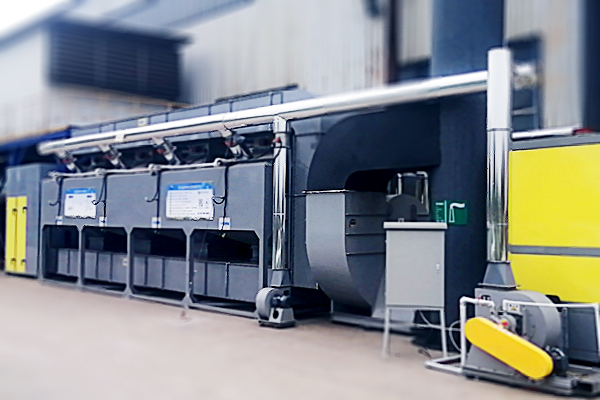
For optimal performance of RCO equipment, Zhengzhou Puhua Technology recommends the following structured maintenance protocol:
System Isolation and Safety Check: Ensure the RCO unit is completely shut down and tagged out. Verify that the purge cycle has been completed to remove any explosive gas mixtures.
Inspection and Diagnosis: Conduct a thorough visual inspection of the heat storage media through inspection ports. Take samples of any plugging material for analysis to determine the best cleaning method and identify the root cause.
Pre-Cleaning: Remove large debris or obvious blockages using physical methods like vacuuming or manual removal.
Apply Primary Cleaning Method: Based on the diagnosis, apply compressed air backwashing or schedule a dry ice blasting or chemical wash-out procedure.
Post-Cleaning Inspection: After cleaning, inspect the media to verify that channels are clear. Check the condition of the support structure and cold face.
System Reassembly and Dry-Out (if applicable): If a wet cleaning method was used, run the system fan and burner at a low temperature to remove all moisture from the ceramic media.
Performance Validation: Restart the RCO and monitor the pressure drop and temperature profile. Compare the readings with baseline data to confirm the cleaning was successful.
When to Replace the Heat Storage Media
Despite thorough cleaning, heat storage media has a finite lifespan. Over time, the ceramic structure can degrade, or chemical poisoning may permanently reduce its effectiveness. The typical service life of high-quality ceramic heat storage media is around 8 years, depending on operating conditions and maintenance practices. Consider replacement when:
Cleaning efforts fail to restore the pressure drop to acceptable levels.
The ceramic honeycomb shows signs of cracking, crumbling, or fusion.
There is a significant and unrecoverable drop in heat exchange efficiency.
Enhancing Longevity with Preventative Measures
Preventing fouling is always more cost-effective than curing it. Ensure that the RCO system is equipped with an effective pre-filtration stage to remove particulate matter before it reaches the heat storage bed. Regular inspection of filters and the integrity of ductwork can minimize the ingress of contaminants into the RCO. For professional support and high-quality parts, it is advisable to consult with experienced service providers like Zhengzhou Puhua Technology, who can provide tailored maintenance solutions.
Conclusion
Maintaining the heat storage media in your RCO combustion equipment is not merely a maintenance task; it is an investment in operational efficiency and system longevity. By implementing a combination of inspection, cleaning, and preventative measures, operators can significantly extend the life of their equipment, reduce energy consumption, and ensure compliance with environmental regulations. For complex issues or to explore full maintenance service packages, consulting with a reputable equipment manufacturer can provide a clear path to reliable and high-performance waste gas treatment.
Related Articles
-

Zeolite Fixed Bed+Catalytic Combustion Equipment (RCO)
[list:visits]
-

Resin desorption+condensation recovery equipment
[list:visits]
-

Cooking oil fume purifier
[list:visits]
Subscribe to Our Newsletter
Stay updated with the latest news and insights from Puhua Tech.