
Key Considerations for RCO Combustion Equipment When Treating Sulfur-Containing Exhaust Gases
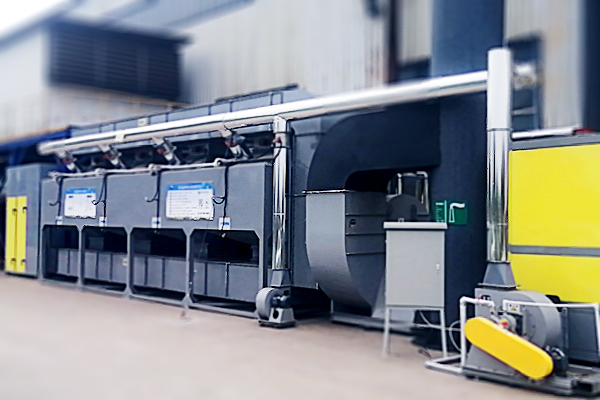
RCO (Regenerative Catalytic Oxidation) combustion equipment has become a widely adopted solution for volatile organic compound (VOC) abatement across various industries. The technology offers high destruction efficiency with lower energy consumption compared to thermal oxidation methods. However, when the exhaust gas stream contains sulfur components, the operational dynamics shift significantly.
Sulfur-containing gases present unique challenges that can compromise equipment performance, shorten catalyst lifespan, and lead to non-compliance with emission standards. Understanding these challenges and implementing appropriate countermeasures is essential for facilities that operate RCO systems under such demanding conditions.
This article provides a comprehensive examination of the critical factors that facility operators, environmental engineers, and maintenance teams must consider when using RCO combustion equipment for sulfur-laden exhaust streams. The guidance draws from field experience and established engineering practices to help you protect your investment while maintaining regulatory compliance.
Understanding the Impact of Sulfur Compounds on RCO Systems
Sulfur species in exhaust gases pose multifaceted threats to RCO combustion equipment. The most significant concern centers on catalyst deactivation, but the issues extend beyond this single point of failure.
Catalyst Poisoning Mechanisms
The noble metals commonly used in RCO catalysts—typically platinum and palladium—are susceptible to chemical attack by sulfur compounds. When sulfur dioxide (SO₂) and sulfur trioxide (SO₃) are present in the gas stream at temperatures below 300°C, they undergo chemical adsorption onto the catalyst surface. This process effectively covers the active sites that are essential for catalytic reactions .
Over time, this chemical interaction leads to progressive loss of catalytic activity. In many cases, sulfur-induced poisoning results in permanent deactivation that requires complete catalyst replacement. This represents a substantial operational expense that can significantly impact the economic viability of the treatment system.
Secondary Pollutant Formation
RCO units oxidize sulfur-containing compounds during the combustion process, generating sulfur dioxide as a byproduct. While the moderate operating temperatures of catalytic oxidation typically limit the formation of sulfur trioxide, facilities must monitor SO₂ concentrations in the exhaust stream to ensure compliance with local emission standards .
This aspect is sometimes overlooked during system design and operation, yet it can become a compliance issue during regulatory inspections.
Temperature-Dependent Risks
The relationship between temperature and sulfur-related damage deserves special attention. At lower temperatures, sulfur compounds are more prone to chemical adsorption onto catalyst surfaces. This means that improper startup procedures or operation below optimal temperature ranges can accelerate catalyst deterioration .
Pre-Treatment Strategies: The First Line of Defense
Effective pre-treatment of sulfur-containing exhaust gases before they enter RCO combustion equipment is perhaps the most critical factor in ensuring long-term system reliability.
Acid Gas Removal
For exhaust streams containing hydrogen sulfide (H₂S), mercaptans, or other acidic sulfur gases, alkaline scrubbing systems offer an effective removal solution. A caustic scrubber installed upstream of the RCO unit can reduce sulfur compound concentrations to levels that the catalyst can tolerate.
Alternatively, dry desulfurization systems using specialized sorbent materials may be appropriate depending on the specific gas composition and flow characteristics. The selection of pre-treatment technology should be based on a thorough analysis of the gas stream composition .
Particulate Matter Control
Exhaust gases that contain both sulfur compounds and particulate matter require particular attention. Dust and particulate matter can physically block catalyst pores and active sites, compounding the chemical poisoning effects of sulfur species.
High-efficiency dust collection equipment, such as baghouse filters, should be installed upstream of the catalytic bed to protect the catalyst from physical fouling. For systems processing sulfur-containing exhaust with high particulate loading, a multi-stage filtration approach may be necessary .
Temperature Management Protocols
Temperature control represents one of the most powerful tools for mitigating sulfur-related damage to RCO combustion equipment. Proper temperature management protects catalyst integrity while maintaining destruction efficiency.
Optimal Operating Range
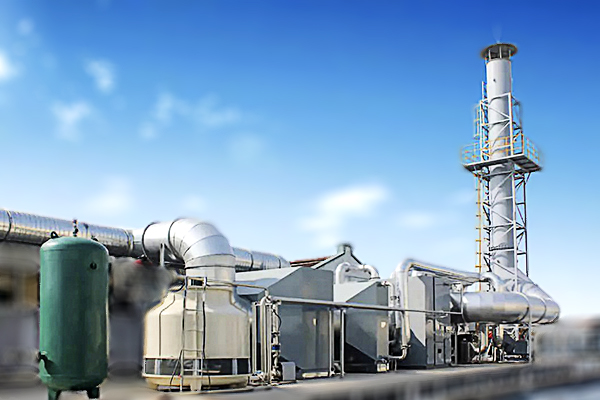
For sulfur-containing exhaust applications, maintaining the catalyst bed temperature within the range of 250°C to 400°C is generally recommended. This range provides sufficient energy for catalytic oxidation while minimizing the risk of sulfur compound adsorption at lower temperatures .
Operation consistently below this temperature window allows sulfur compounds to accumulate on catalyst surfaces, accelerating deactivation. Conversely, sustained operation above the upper limit risks catalyst sintering, which also leads to irreversible activity loss.
Startup and Shutdown Procedures
The startup phase represents a period of heightened risk for sulfur-containing exhaust applications. Operators must ensure the catalyst bed reaches the minimum operating temperature before introducing sulfur-bearing gases.
A recommended practice involves preheating the catalyst bed using fresh air until the target temperature is achieved. Only then should the sulfur-containing exhaust stream be gradually introduced.
Similarly, shutdown procedures require careful attention. When stopping the system, the exhaust gas supply should be cut off while fresh air continues to flow through the catalyst bed. A blowdown period of at least 30 minutes allows residual sulfur compounds to be purged before the system cools, preventing adsorption during temperature decline .
Temperature Monitoring
Continuous temperature monitoring at multiple points within the catalytic bed provides essential data for operators. Key parameters to track include:
- **Bed inlet temperature**: Ensures incoming gas is adequately preheated
- **Catalytic bed temperature**: Verifies reaction zone remains within optimal range
- **Temperature differential**: Indicates reaction intensity and potential hotspots
Catalyst Selection and Maintenance
Choosing the appropriate catalyst for sulfur-containing exhaust applications requires careful consideration of operating conditions and gas composition. Routine maintenance practices also differ from those for non-sulfur applications.
Catalyst Options
While conventional RCO systems typically use platinum or palladium catalysts, alternative formulations may offer enhanced resistance to sulfur compounds. Some manufacturers provide catalysts with modified compositions specifically designed for sulfur-containing environments.
For applications with relatively low sulfur content, standard catalysts may perform adequately with proper operating procedures. However, when sulfur concentrations are elevated, selecting a catalyst with improved sulfur tolerance can significantly extend service life .
Establishing a Maintenance Program
Facilities using RCO combustion equipment for sulfur-containing exhaust should implement a structured maintenance program with clear monitoring parameters.
**Parameter** | **Monitoring Frequency** | **Action Threshold**
---|---|---
Catalyst bed pressure drop | Daily | Investigate increases >10% from baseline
Inlet/outlet temperature differential | Per shift | Document trend changes
Sulfur concentration at inlet | Continuous or daily | Verify within design limits
Catalyst activity | Quarterly | Performance testing recommended
Visual inspection | Monthly | Check for discoloration or fouling
Catalyst Regeneration Possibilities
Some forms of catalyst deactivation may be reversible through appropriate regeneration techniques. When deactivation results from temporary fouling rather than chemical poisoning, regeneration may restore some activity .
Maintaining detailed operational records helps operators identify whether performance decline is gradual or sudden. This information aids in determining whether regeneration is feasible or if catalyst replacement is required.
Operational Best Practices for Sulfur-Containing Applications
Beyond the specific measures discussed above, several general operational practices contribute to successful RCO combustion equipment performance when treating sulfur-containing exhaust.
Gas Composition Monitoring
Continuous monitoring of incoming gas composition provides early warning of changes that might affect system performance. Key parameters include:

- Sulfur compound concentrations
- Total VOC loading
- Moisture content
- Oxygen concentration
- Temperature
Avoiding Thermal Shock
Rapid temperature changes can stress catalyst materials and contribute to mechanical damage. Gradual temperature adjustments during operation, startup, and shutdown help preserve catalyst integrity.
Documentation and Record Keeping
Maintaining comprehensive operational records supports troubleshooting, maintenance planning, and regulatory compliance. Essential records include:
- Daily operating parameters
- Maintenance activities
- Catalyst performance data
- Emission monitoring results
- Incident reports
Conclusion
Successfully operating RCO combustion equipment for sulfur-containing exhaust gases requires a comprehensive approach that addresses the unique challenges presented by these compounds. Key strategies include effective pre-treatment to remove sulfur species before they reach the catalyst, careful temperature management to minimize adsorption risks, and appropriate catalyst selection and maintenance practices.
Zhengzhou Puhua Technology offers expertise in designing and manufacturing comprehensive air pollution control solutions, including RCO catalytic combustion units, desulfurization systems, dust collection equipment, and related technologies. Our experience with diverse industrial applications enables us to develop effective strategies for challenging gas treatment requirements.
Facilities seeking to implement or optimize RCO systems for sulfur-containing exhaust benefit from a thorough analysis of their specific gas composition and operating conditions. The integration of appropriate pre-treatment technologies, careful operational protocols, and regular maintenance provides the foundation for reliable, compliant, and cost-effective performance.
Related Articles
-

Zeolite Fixed Bed+Catalytic Combustion Equipment (RCO)
[list:visits]
-

Resin desorption+condensation recovery equipment
[list:visits]
-

Cooking oil fume purifier
[list:visits]
Subscribe to Our Newsletter
Stay updated with the latest news and insights from Puhua Tech.