
Why Is Catalytic Combustion Equipment the Top Choice for Low-Concentration, High-Air-Volume Exhaust
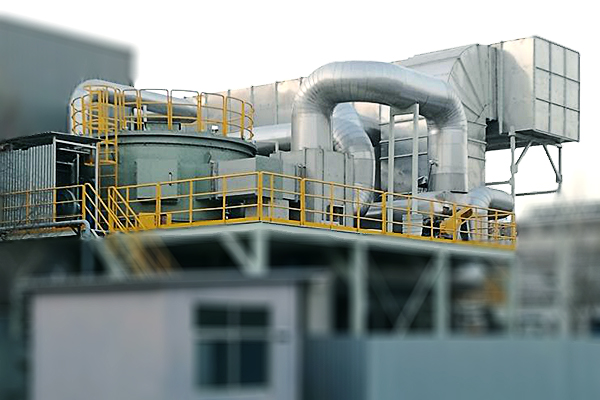
In the industrial sector, particularly in manufacturing and chemical processing, managing exhaust gases is a critical operational and environmental challenge. Facility managers and environmental engineers frequently encounter a specific problem: handling large volumes of exhaust air that contain only low concentrations of volatile organic compounds (VOCs). For this specific scenario, catalytic combustion equipment has emerged as the leading solution. But what makes it the preferred technology over alternatives like direct thermal oxidation or simple carbon adsorption?
This article provides a comprehensive analysis of why RCO catalytic combustion equipment is the optimal choice for low-concentration, high-air-volume VOCs, detailing its operational principles, economic benefits, and technical superiority.
Understanding the Core Challenge: High Volume, Low Concentration
Before selecting any VOCs treatment equipment, it is essential to understand the nature of the gas to be treated. A "high-air-volume, low-concentration" stream presents two primary obstacles:
Economic Inefficiency of Direct Treatment: Directly heating a massive volume of air to the temperatures required for thermal oxidation (often 750-850°C) is prohibitively expensive. The energy required to raise the temperature of such a large air mass makes the process economically unviable .
Limitations of Single-Stage Adsorption: While activated carbon adsorption is a common method, it primarily transfers the pollutant from the gas phase to a solid phase, creating a secondary waste disposal problem. Furthermore, large systems with frequent replacement cycles incur significant material and labor costs.
To address these challenges, a more sophisticated approach is required. The industry standard solution to this problem is the adsorption concentration + catalytic combustion combined process . This is the principle on which modern catalytic combustion equipment operates.
The Working Principle: Concentration and Oxidation
The catalytic combustion equipment by manufacturers like Zhengzhou Puhua Technology solves the issue through a two-stage process. Here is how it works:
Stage 1: Adsorption and Concentration
The primary exhaust stream, containing low concentrations of VOCs, is passed through an adsorbent bed, typically containing activated carbon or a zeolite rotor . The porous structure of these materials captures and retains the VOC molecules, allowing the cleaned air to be discharged. Once the adsorbent is saturated, it is regenerated using a small stream of hot air. This process "strips" the concentrated VOCs from the adsorbent, resulting in a much smaller air volume with a much higher VOC concentration . This is the key to solving the economic dilemma.
Stage 2: Catalytic Oxidation
The concentrated, high-VOC gas stream is then directed into the RCO catalytic combustion equipment unit itself. Here, the gas is heated and passed over a catalyst bed. The catalyst, usually a noble metal like platinum or palladium on a ceramic substrate , allows the VOCs to be oxidized at a significantly lower temperature (typically 250-300°C) compared to direct thermal oxidation . This results in the clean conversion of VOCs into harmless carbon dioxide (CO2) and water (H2O).
Why Choose Catalytic Combustion? Key Advantages
This combined approach offers several decisive benefits that make catalytic combustion equipment the preferred choice.
| Advantage | Description |
|---|---|
| Energy Efficiency | By concentrating the VOCs before oxidation, the volume of gas to be heated is dramatically reduced. Furthermore, the catalytic process itself operates at lower temperatures than thermal oxidation. In many cases, once the process is initiated, the heat released from the oxidation reaction is sufficient to sustain it, significantly reducing operating costs . |
| Cost-Effectiveness | The lower energy consumption directly translates to lower operational expenses. The technology is considered a cost-effective solution for low-concentration gases that lack recovery value . |
| High Destruction Efficiency | Modern catalytic combustion systems, when properly designed, can achieve VOC destruction efficiencies of 97% or higher, ensuring compliance with stringent environmental regulations . |
| No Secondary Pollution | Unlike adsorption-only systems, catalytic combustion destroys the pollutants rather than just transferring them. The end products are CO2 and water, and the process is operated at low enough temperatures to prevent the formation of harmful nitrogen oxides (NOx) . |
When to Select Catalytic Combustion Equipment
Catalytic combustion equipment is the ideal choice when the following conditions are met:
The exhaust gas has a large flow rate but low VOC concentration (typically below 1,000 mg/m³).
The VOCs are not halogenated, as compounds containing sulfur, nitrogen, chlorine, or fluorine can cause catalyst poisoning .
The plant has a need for a highly reliable, automated system that can meet strict emission standards.
Leading providers like Zhengzhou Puhua Technology specialize in custom-designing these systems to meet the specific requirements of each client, offering a range of solutions including RCO catalytic combustion equipment, baghouse dust collectors, and comprehensive industrial waste gas and wastewater treatment solutions. Their expertise ensures that the equipment is not only efficient but also integrates seamlessly with existing manufacturing processes.
Conclusion
For industrial operations facing the challenge of treating low-concentration, high-volume VOCs, the most effective and economically sound technology is undoubtedly catalytic combustion equipment. By intelligently combining the principles of adsorption concentration and catalytic oxidation, it offers a potent solution that balances high efficiency with manageable operational costs. For professionals seeking a reliable, long-term solution to VOC abatement, this technology stands out as the industry standard.
Related Articles
-

Zeolite Fixed Bed+Catalytic Combustion Equipment (RCO)
[list:visits]
-

Resin desorption+condensation recovery equipment
[list:visits]
-

Cooking oil fume purifier
[list:visits]
Subscribe to Our Newsletter
Stay updated with the latest news and insights from Puhua Tech.