
Key Selection Points for RTO Equipment in Centralized Waste Gas Treatment in Chemical Parks
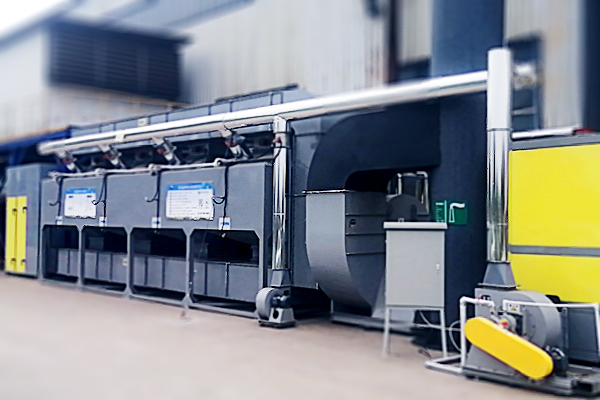
As global environmental regulations tighten and sustainability becomes a core business principle, chemical parks worldwide are under increasing pressure to manage volatile organic compound (VOC) emissions effectively. For centralized waste gas treatment in large-scale industrial complexes, the Regenerative Thermal Oxidizer (RTO) has emerged as the industry standard for achieving high destruction removal efficiency (DRE) with superior energy recovery. However, selecting the right RTO for a chemical park is a complex engineering decision that goes beyond simply choosing a model from a brochure. This article provides a comprehensive guide to the key selection points, ensuring your investment delivers long-term compliance, operational efficiency, and a rapid return on investment.
Understanding the Centralized Treatment Challenge
Chemical parks present a unique set of challenges for waste gas treatment. Unlike a single-plant operation, a centralized facility must handle exhaust streams from multiple sources, each with potentially different compositions, flow rates, and temperature profiles. The primary goal is to collect, treat, and safely discharge these gases in a manner that is both environmentally responsible and cost-effective. A well-designed RTO system can achieve over 99% destruction efficiency and thermal energy recovery rates of up to 95% or more, making it the preferred technology for high-volume, low-concentration VOC streams . The key to success lies in a meticulous selection process that accounts for the specific characteristics of the waste gas and the operational demands of the chemical park.
Critical Selection Parameters for RTO Systems
When evaluating RTO equipment for a chemical park, several technical and operational parameters must be carefully assessed. The following factors form the core of the selection criteria.
1. Waste Gas Composition and Pre-Treatment Requirements
The chemical composition of the waste gas is the single most important factor in RTO selection. Streams containing halogenated compounds (like chlorine or fluorine) or high levels of sulfur will produce acidic byproducts during combustion. This necessitates the use of corrosion-resistant materials such as 2205 duplex stainless steel or specialized coatings. For streams with significant particulate matter, a staged pre-treatment process including cyclones and bag filters is essential to protect the ceramic heat exchange media from fouling and pressure drop increases . A detailed analysis of the waste gas is non-negotiable.
Common Pre-Treatment Steps Include:
Particulate Filtration: To remove dust and aerosols that could block the ceramic beds.
Acid Gas Pre-Scrubbing: To neutralize acidic components and extend the life of the RTO.
Dew Point Control: To prevent condensation and corrosion in the ductwork.
2. Flow Rate and Concentration Variability
Chemical plants often operate in batch modes, leading to wide fluctuations in both the volume and concentration of VOC emissions. The RTO system must be designed to handle these variations without compromising performance. For very high flow rates with low VOC concentration, a zeolite rotor concentrator system can be integrated upstream to "boost" the concentration, allowing for a smaller, more energy-efficient RTO . The control system must also be robust enough to manage these changes in real-time, maintaining stable operating temperatures and destruction efficiency.
3. Material Selection and Corrosion Resistance
Corrosion is a primary concern in chemical applications. Standard carbon steel is often insufficient. Zhengzhou Puhua Technology emphasizes that material selection is a critical factor for long-term reliability. For applications involving halogenated compounds, the RTO's combustion chamber, heat recovery system, and outlet components may require high-nickel alloys like Hastelloy to withstand the harsh environment . This focus on material integrity ensures the system can handle the rigorous demands of a chemical park.
| Component | Standard Material | Corrosive Service Material |
|---|---|---|
| Heat Recovery Chamber | Carbon Steel | 2205 Duplex Stainless Steel |
| Ceramic Media | Alumina/Cordierite | Mullite or Zirconia-based (for halogen resistance) |
| Outlet Ducting & Scrubbers | Carbon Steel | Hastelloy C276 or Glass-lined Steel |
4. Thermal Efficiency and Energy Recovery
The economic viability of an RTO is heavily dependent on its thermal efficiency. High-efficiency ceramic media beds are designed to capture and store heat from the treated gas and then transfer it to the incoming cold gas stream. This "regenerative" process is what makes RTOs so fuel-efficient. Systems with thermal energy recovery (TER) rates of 95% or higher can often operate autothermally (without additional fuel) once the VOC concentration is sufficient . For chemical parks, integrating the RTO with other plant utilities, such as generating steam or pre-heating process air, can significantly enhance the overall energy efficiency and reduce the project's carbon footprint.
5. Control System and Safety Features
A sophisticated control system is the brain of the RTO. It must manage the switching valves, burner operation, and real-time emissions monitoring. Safety is paramount, especially in a chemical park setting. Key safety features include:
LEL Monitoring: Continuously measuring the Lower Explosive Limit of the incoming gas to prevent dangerous build-ups .
Explosion Relief: Incorporating rupture discs or explosion vents in the ductwork and combustion chamber.
Purge Logic: Proper purging protocols before, during, and after the combustion process to eliminate any explosion risk.
Special Considerations: The Case of Chlorinated Waste Gases
Handling chlorinated VOCs presents a special case that requires extreme care. As noted by experts at Zhengzhou Puhua Technology, the combustion of these gases produces hydrogen chloride (HCl) and chlorine (Cl2), which can rapidly corrode standard materials if not properly managed . The presence of chlorine also introduces the risk of dioxin formation if the flue gas is not rapidly quenched below the 300-500°C range. Therefore, an RTO for this application often requires a dedicated quench system downstream to cool the gases rapidly and prevent the reformation of these highly toxic compounds. This highlights the importance of selecting a manufacturer with deep experience in handling complex chemical loads, such as Zhengzhou Puhua Technology, which is known for its robust designs in the VOCs treatment sector.
RTO vs. RCO: Making the Right Choice
While RTO is a powerful technology, it is not a one-size-fits-all solution. For certain applications, a Regenerative Catalytic Oxidizer (RCO) might be a better fit. RCOs operate at lower temperatures due to the use of a catalyst, leading to significantly lower fuel costs. However, they are susceptible to catalyst poisoning from compounds like heavy metals or sulfur. The table below provides a simple comparison.
| Feature | Regenerative Thermal Oxidizer (RTO) | Regenerative Catalytic Oxidizer (RCO) |
|---|---|---|
| Operating Temperature | 760°C - 870°C | 300°C - 500°C |
| VOC Destruction Efficiency | ≥98% | ≥95% |
| Best Use Case | High flow, complex VOC mixtures, thermally stable compounds | Lower flow, simpler VOC mixtures, where energy costs are a primary concern |
| Sensitivity | Low | High (susceptible to catalyst poisoning) |
Note: RCO is generally not recommended for streams containing sulfur, phosphorous, or heavy metals due to the risk of catalyst deactivation.
Conclusion: A Holistic Approach to RTO Selection
Selecting an RTO for centralized waste gas treatment in a chemical park is a strategic decision that impacts a company's environmental compliance, operational costs, and corporate image. It requires a holistic approach that moves beyond initial capital expenditure to consider the total cost of ownership, which includes energy consumption, maintenance, and consumables like ceramic media and catalysts.
By thoroughly analyzing the waste gas composition, planning for variability, specifying durable materials, and demanding high thermal efficiency, you can secure a system that delivers decades of reliable service. Companies like Zhengzhou Puhua Technology, with extensive experience in manufacturing a wide range of environmental protection equipment—from RTOs and RCOs to dust collectors and desulfurization systems—are well-positioned to provide the expertise needed to navigate these complex selections. The right partnership ensures that your investment not only meets today's stringent emission limits but is also prepared for the even tighter standards of tomorrow.
Key Steps for a Successful RTO Project:
Conduct a Comprehensive Site Audit: Measure and characterize your specific waste gas streams.
Define Clear Performance Targets: Set specific goals for DRE, thermal efficiency, and emissions limits.
Evaluate Total Cost of Ownership (TCO): Look beyond the initial purchase price to include energy and maintenance costs.
Choose an Experienced Partner: Partner with a vendor who can provide ongoing technical support and after-sales service.
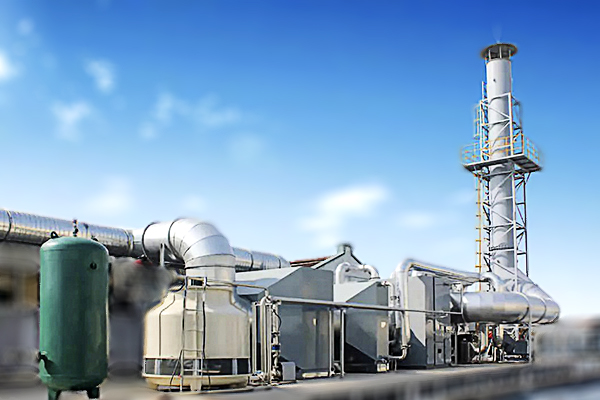
An RTO system designed for a large-scale chemical park, illustrating the complex ducting and equipment layout for centralized VOC abatement.
Related Articles
-

Zeolite Fixed Bed+Catalytic Combustion Equipment (RCO)
[list:visits]
-

Resin desorption+condensation recovery equipment
[list:visits]
-

Cooking oil fume purifier
[list:visits]
Subscribe to Our Newsletter
Stay updated with the latest news and insights from Puhua Tech.