
Safety Risks of Uncontrolled Oxygen Levels in RCO Equipment Operation
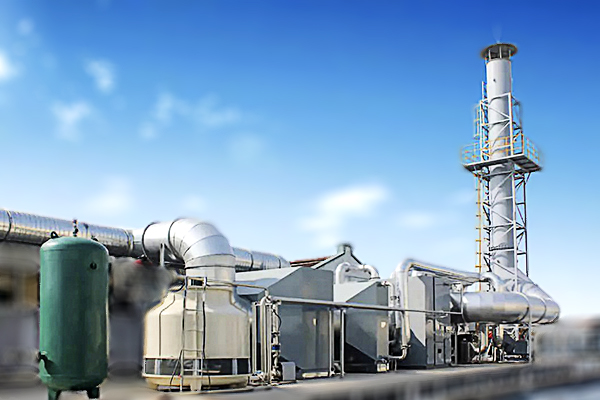
Regenerative Catalytic Oxidizers (RCOs) are highly effective for destroying volatile organic compounds (VOCs) and hazardous air pollutants. However, one of the most overlooked dangers during RCO equipment operation is the risk of uncontrolled oxygen levels. When oxygen concentration deviates from safe parameters, the consequences can range from reduced destruction efficiency to fire hazards and equipment damage. This article provides a comprehensive analysis of these risks and practical safeguards, drawing on engineering best practices and insights from Zhengzhou Puhua Technology, a specialist in RCO catalytic combustion equipment and integrated pollution control systems.
Why Oxygen Concentration Matters in RCO Systems
An RCO unit relies on precise oxidation conditions. The catalytic bed requires sufficient oxygen to fully convert VOCs into carbon dioxide and water vapor. However, excess oxygen can accelerate catalyst degradation, while oxygen deficiency leads to incomplete combustion and dangerous byproduct formation. Maintaining oxygen levels within the designed range—typically 18-21% by volume—is critical for both safety and regulatory compliance.
Primary Safety Risks of Uncontrolled Oxygen in RCO Operation
When oxygen content in the RCO inlet or combustion chamber drifts outside safe limits, operators face several distinct hazards:
Catalyst overheating and sintering: Excess oxygen can cause localized hot spots exceeding 650°C, permanently damaging the noble metal catalyst.
Formation of toxic partial oxidation products: Low oxygen levels generate carbon monoxide, organic acids, and aldehydes, which are hazardous to personnel and the environment.
Flash fire or deflagration risk: If oxygen concentration rises above 21% while VOC concentration nears the lower explosive limit (LEL), the RCO chamber becomes a fire hazard.
Thermal stress cracking of ceramic media: Sudden oxygen fluctuations alter combustion profiles, causing rapid thermal expansion and contraction cycles that crack the heat exchange media.
Common Causes of Oxygen Level Fluctuations in RCO Equipment
Understanding the root causes helps facilities implement targeted preventive measures. Based on field data from industrial installations, the most frequent causes include:
| Cause Category | Specific Example | Typical Oxygen Deviation |
|---|---|---|
| Process variability | Batch reactor exhaust with fluctuating nitrogen purging | ±3-5% O2 |
| Air leakage | Duct corrosion holes upstream of RCO fan | +2-8% O2 (air dilution) |
| Instrument failure | Fouled zirconia oxygen sensor | Complete loss of control |
| Improper damper modulation | Sticky fresh air inlet damper | +1-6% O2 |
Operational Indicators of Oxygen Imbalance
Operators should watch for these early warning signs that oxygen content is moving out of the safe zone:
A sudden drop in catalyst bed delta-T (temperature difference across catalyst) while burner fuel input remains constant.
Visible smoke or unusual odor from the stack, indicating incomplete oxidation.
Fluctuating pressure drop across the ceramic heat recovery beds, which may suggest thermal cracking.
Corrosion on downstream ductwork, a sign of acidic partial oxidation products.
Real-time oxygen analyzers with interlocked alarms are the primary defense. However, these sensors require regular calibration and protection from particulate fouling—a service that Zhengzhou Puhua Technology incorporates into its RCO catalytic combustion equipment maintenance protocols.
Engineering Controls to Manage Oxygen Levels Safely
Well-designed RCO systems incorporate multiple layers of protection against oxygen-related incidents. The most effective measures include:
Cascaded oxygen trim control: A PID loop adjusts the fresh air dilution damper based on continuous O2 measurement at the RCO inlet and outlet.
LEL monitoring with oxygen correction: Combustible gas detectors automatically reduce VOC feed concentration if oxygen drops below 18%.
High-integrity instrumented safeguards: Two-out-of-three voting oxygen sensors trigger shutdown and nitrogen purge when levels exceed 22% or fall below 17%.
Regular duct integrity inspections: Using thermal imaging and smoke testing to locate air inleakage points.
Daily verification: Compare oxygen analyzer readings against portable spot-check devices at the same measurement point.
Weekly damper stroke testing: Ensure fresh air and bypass dampers move freely through their full range without sticking.
Monthly catalyst inspection: Look for discoloration, spalling, or flow channeling that may indicate oxygen-induced thermal damage.
Quarterly airflow verification: Use tracer gas or pitot traverses to confirm that oxygen readings represent actual combustion zone conditions.
For facilities lacking these advanced controls, retrofitting is often more cost-effective than replacing the entire RCO equipment. Zhengzhou Puhua Technology specializes in such upgrades, leveraging their experience with VOCs Treatment Equipment, including RTO Equipment and RCO Catalytic Combustion Equipment, to enhance oxygen safety without extensive downtime.
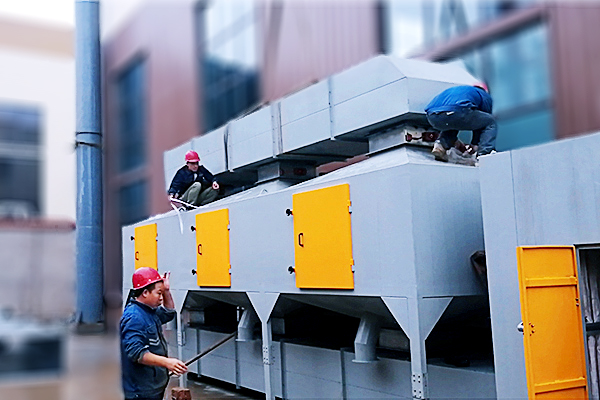
Best Practices for RCO Operators and Maintenance Teams
Technology alone cannot eliminate risks; human factors are equally important. Implement these operational procedures:
A documented oxygen management program should be part of the facility’s process safety management (PSM) system. Include specific procedures for startup, normal operation, and emergency shutdown related to oxygen deviations.
Case Example: Oxygen Imbalance Incident in a Coating Line RCO
A mid-sized automotive parts coating line experienced an RCO catalyst failure after 11 months of operation, far below the expected 3-5 year lifespan. Investigation revealed that a corroded access door on the inlet duct was pulling in ambient air (21% O2) into a stream that normally contained 15% O2. The resulting 23% oxygen level in the catalyst bed raised peak temperatures to 720°C, far exceeding the catalyst’s 620°C limit. After repairing the duct and installing a positive-pressure monitoring system, the replacement catalyst performed normally. This incident demonstrates how small physical defects can create major oxygen-related safety risks in RCO equipment operation.
How Zhengzhou Puhua Technology Addresses Oxygen Safety in RCO Systems
With over a decade of experience in designing and manufacturing pollution control equipment, Zhengzhou Puhua Technology builds oxygen safety into every RCO system from the ground up. Their RCO catalytic combustion units feature redundant oxygen monitoring, automated air dilution controls, and thermal stress relief designs that tolerate moderate oxygen fluctuations without cracking ceramic media. Beyond RCO equipment, the company provides comprehensive solutions including Bag Filter,Pulse Jet Bag Filter,Desulfurization and Denitrification Equipment,UV Photocatalytic Oxidizer,Ultra-Low Emission Equipment,Pneumatic Conveying Equipment, and Wastewater Treatment Equipment. For plant engineers seeking to retrofit existing oxidizers or install new systems, Zhengzhou Puhua Technology offers site-specific oxygen hazard assessments and custom control strategies tailored to the VOC stream’s variability.
Regulatory and Compliance Perspective
Environmental agencies worldwide are tightening limits on both VOC emissions and hazardous byproducts. Uncontrolled oxygen levels that lead to carbon monoxide slip or aldehyde formation can result in permit violations, even if the RCO appears to be destroying VOCs adequately. For example, the U.S. EPA’s 40 CFR Part 60 Subpart Kb requires continuous monitoring of combustion parameters including oxygen content for certain oxidizers. Similarly, European Industrial Emissions Directive (IED) permits often specify acceptable oxygen ranges. Documented oxygen control is not just a safety recommendation—it is becoming a legal requirement.
Frequently Asked Questions on RCO Oxygen Safety
Q: What is the ideal oxygen range for an RCO treating solvent-based VOCs?
A: Most systems operate safely between 19% and 21% by volume at the catalyst inlet. For oxygen-deficient streams (e.g., from inert-blanketed reactors), you may need to add dilution air to reach at least 18% O2. Exceeding 21% offers no benefit and increases fire risk.
Q: Can an RCO run with oxygen levels below 15%?
A: Running below 15% O2 is strongly discouraged. The catalyst may not achieve complete oxidation, leading to high carbon monoxide emissions and potential catalyst coking. If your process inherently produces low-oxygen exhaust, consider a direct-fired thermal oxidizer or add supplemental air before the RCO.
Q: How often should oxygen sensors be calibrated?
A: At least every three months, or more frequently if the sensor is exposed to silicone vapors or particulate matter. Always use certified calibration gases that span the entire operating range, not just a single point.
Conclusion
Uncontrolled oxygen levels in RCO equipment operation present serious safety risks that range from accelerated catalyst wear to fire and toxic emissions. However, these risks are manageable through a combination of robust engineering controls, proactive maintenance, and operator training. By understanding the causes and warning signs of oxygen imbalance, facilities can protect both personnel and assets while maintaining continuous VOC destruction compliance. Whether you are specifying a new RCO or optimizing an existing unit, prioritizing oxygen control will deliver long-term safety and operational benefits.
For tailored solutions that address your specific VOC stream and oxygen variability, consult with engineering teams experienced in RCO catalytic combustion and integrated pollution management—such as those at Zhengzhou Puhua Technology, who bring comprehensive expertise across dust collection, desulfurization, denitrification, and advanced oxidation technologies.
Related Articles
-

Zeolite Fixed Bed+Catalytic Combustion Equipment (RCO)
[list:visits]
-

Resin desorption+condensation recovery equipment
[list:visits]
-

Cooking oil fume purifier
[list:visits]
Subscribe to Our Newsletter
Stay updated with the latest news and insights from Puhua Tech.