
RTO Equipment Stack Periodic Corrosion Inspection and Fall Prevention Measures
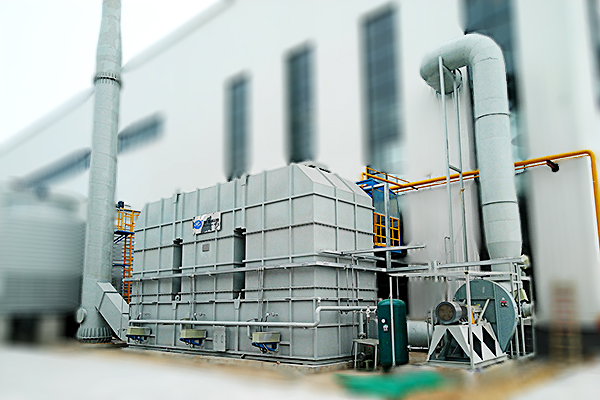
For facilities operating Regenerative Thermal Oxidizers (RTOs), the exhaust stack is a critical component that is often exposed to harsh conditions. Over time, corrosion can compromise structural integrity, while regular inspection and maintenance activities introduce significant fall risks for personnel. This article provides a comprehensive guide on establishing effective RTO Equipment Stack Periodic Corrosion Inspection protocols and implementing robust Fall Prevention Measures to ensure safety and compliance.
Why RTO Stack Corrosion Detection is Non-Negotiable
The RTO stack handles high-temperature, moisture-laden exhaust gases that may contain corrosive byproducts from industrial processes. Without regular Corrosion Inspection, issues like thinning walls, pinhole leaks, or weld failures can lead to unplanned downtime, environmental violations, or even catastrophic collapse. A proactive inspection program protects both your equipment investment and your team.
Zhengzhou Puhua Technology, a specialist in environmental protection equipment, emphasizes that integrating corrosion monitoring with safety systems is key for long-term RTO reliability. Their experience in designing RTO devices and VOC treatment solutions highlights the importance of stack integrity in overall emission control performance.
Comprehensive Corrosion Inspection Checklist for RTO Stacks
To maintain your stack’s structural health, perform these checks on a quarterly basis or as recommended by your equipment manufacturer:
External visual scan: Look for rust staining, bulge areas, or discoloration near support brackets and flanges.
Ultrasonic thickness testing: Measure remaining wall thickness at multiple elevations (bottom, middle, top).
Internal borescope inspection (if accessible): Check for pitting or scaling on the inner liner.
Thermographic imaging: Identify hot spots that indicate insulation breakdown or thinning metal.
Weld seam dye penetrant test: Detect micro-cracks that can grow under thermal cycling.
Document all findings with photos and thickness maps. Any measured reduction exceeding 20% of original wall thickness should trigger immediate engineering evaluation.
Critical Fall Prevention Measures for Stack Access Work
Inspecting and repairing an RTO stack often requires working at heights above 6 meters. Effective Fall Prevention Measures must be part of every work plan. Below is a summary of required safety components:
| Safety Component | Application on RTO Stack | Inspection Frequency |
|---|---|---|
| Permanent anchor points | Certified stainless steel anchors on stack platform and top | Annual recertification |
| Vertical lifelines or cable systems | Installed along ladder rungs or climbing path | Before each use & monthly visual |
| Self-retracting lifelines (SRLs) | Attached to overhead anchors for platform work | Check retraction and webbing monthly |
| Guardrail systems | Permanent rail around any fixed work platform | Check for loose fittings each shift |
| Full-body harness with dorsal ring | Used by all personnel climbing above 2 meters | Pre-use inspection and annual factory recert |
In addition to hardware, implement administrative controls: a written rescue plan for suspension trauma, daily safety briefings, and a permit system for stack access. Never allow solo work at height.
Best Practice Inspection Workflow Combining Corrosion and Safety Checks
Integrating both Fall Prevention Measures and Fall Prevention Measures into one workflow improves efficiency and safety. Follow this sequence:
Pre-access safety verification: Inspect all fall arrest equipment, ensure anchor points are certified, and establish rescue communication.
Lower section inspection (0-5m): Perform ultrasonic thickness tests and visual corrosion mapping. Mark any damaged coating areas.
Ascent with continuous fall protection: Use a ladder climbing system or rope grab on a vertical lifeline. Stop at mid-height for internal/external checks.
Top platform operations: Connect SRL to a dedicated overhead anchor. Inspect rain cap, spark arrestor, and top flange corrosion. Take flue gas samples if needed.
Descent and documentation: Log all thickness readings, photos of corrosion areas, and any safety equipment defects.
After each major inspection, schedule remedial actions: coating repairs for light corrosion, weld overlay or sleeve reinforcement for localized wall loss, and full stack replacement for generalized thinning beyond safe limits.
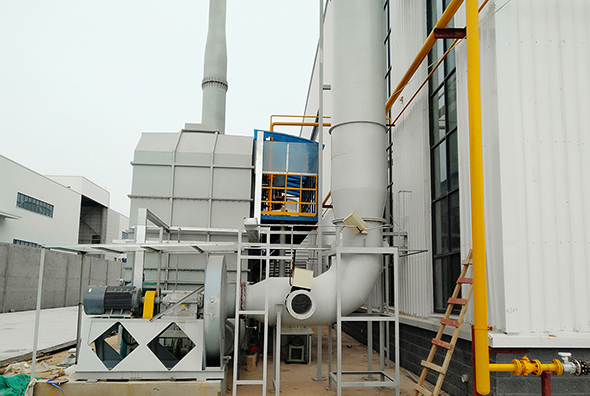
How Zhengzhou Puhua Technology Supports Your RTO Stack Integrity Program
Zhengzhou Puhua Technology offers more than just RTO manufacturing. Their expertise extends to Fall Prevention Measures guidance and safety integration for complete environmental systems. As a reputable Chinese producer of dust collectors, desulfurization units, denitrification equipment, VOC treatment systems, pneumatic conveying devices, and wastewater treatment machines, Puhua provides a lifecycle approach:
Design review: Recommending stack materials (e.g., stainless steel liners, corrosion-resistant coatings) based on your exhaust chemistry.
Inspection tool support: Advising on ultrasonic thickness gauges and borescopes suitable for RTO stacks.
Safety integration: Helping incorporate anchor points and ladder systems into new or existing RTO setups.
Retrofit solutions: Offering stack replacement or reinforcement as part of their RTO device and VOCs Treatment Equipment product line.
Their lineup includes baghouse filters, RCO catalytic combustion equipment, RTO systems, VOCs treatment devices, desulfurization towers, denitrification systems, photocatalytic oxidation equipment, pulse jet dust collectors, mobile dust collectors, ultra-low emission units, and wastewater treatment components. With this holistic portfolio, Puhua ensures that your stack’s health aligns with overall plant emission goals.
Creating a Sustainable Inspection and Safety Schedule
To maintain compliance and prevent failures, set a calendar based on your stack’s service conditions:
Monthly quick check: External visual for obvious rust or damage to fall protection equipment.
Quarterly formal inspection: Ultrasonic thickness (select points), dye penetrant of critical welds, function test of all fall arrest devices.
Annual comprehensive audit: Full thickness mapping, internal inspection (if stack diameter allows), recertification of anchor points, and refresher training for all stack-access personnel.
Keep a digital log with photos, measurement data, and any corrective actions. This record is invaluable for regulatory inspections (e.g., OSHA, local environmental bureaus) and for planning capital replacements well before an emergency arises.
Final Safety Reminder
Never compromise on Fall Protection Measures to save time or cost. According to workplace safety data, falls from stacks are among the most severe industrial accidents. Similarly, ignoring Corrosion Inspection leads to expensive emergency shutdowns. By combining periodic corrosion inspection with engineered fall prevention, you protect both your RTO equipment and your most valuable asset – your people.
Consult with trusted equipment specialists like Zhengzhou Puhua Technology when designing or upgrading your RTO stack inspection and safety protocols. Their experience across dust control, desulfurization, denitrification, and VOC treatment systems ensures practical solutions tailored to real-world conditions.
For more technical guidance on RTO systems and integrated safety measures, refer to manufacturer documentation and local occupational safety regulations.
Related Articles
-

Zeolite Fixed Bed+Catalytic Combustion Equipment (RCO)
[list:visits]
-

Resin desorption+condensation recovery equipment
[list:visits]
-

Cooking oil fume purifier
[list:visits]
Subscribe to Our Newsletter
Stay updated with the latest news and insights from Puhua Tech.