
High Temperature Valve Lubrication for RTO Equipment: Selecting the Right Thermal Resistance Grade
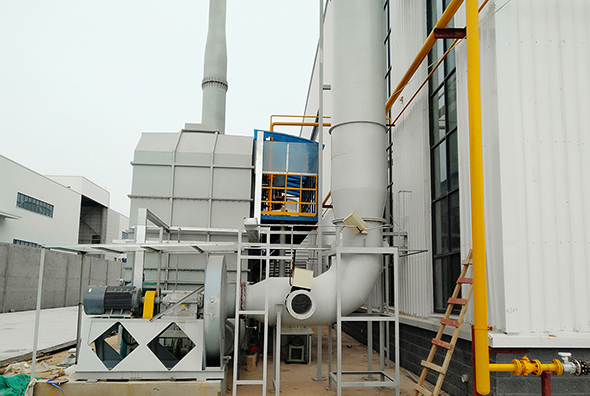
In regenerative thermal oxidizer (RTO) systems, high temperature valves are critical components that directly impact emission control efficiency and operational uptime. These valves are repeatedly exposed to extreme heat cycles, often exceeding 200°C, while needing to maintain a tight seal against corrosive flue gases. One of the most overlooked yet vital maintenance factors is the high temperature valve lubricant and its thermal resistance rating. Choosing an incorrect grease leads to carbonization, valve sticking, and unexpected shutdowns. This guide provides a practical framework for selecting the proper temperature-grade lubricant, enhancing RTO reliability and service life.
Manufacturers such as Zhengzhou Puhua Technology, which specializes in integrated environmental protection equipment—including RTO systems, RCO catalytic combustion units, VOC treatment systems, baghouse dust collectors, desulfurization towers, and denitrification equipment—consistently emphasize correct lubricant selection during valve maintenance to sustain system performance under demanding conditions.
Why Standard Grease Fails in RTO High Temperature Valves
Conventional multi-purpose greases begin breaking down at temperatures above 150°C. Inside an RTO’s valve assembly—particularly on inlet/outlet poppet valves or butterfly valves—temperatures can reach 250°C or higher during purge and combustion cycles. When standard lubricants degrade:
Base oil evaporates, leaving a dry, crusty residue
Thickeners oxidize, forming abrasive carbon deposits
Additives decompose, eliminating anti-wear and corrosion protection
Valve stems seize, causing actuator overload and system bypass
Consequences include unplanned downtime, increased VOC emissions, and costly valve replacement. Therefore, matching lubricant thermal resistance grade to actual valve operating temperature is not optional—it is a core reliability requirement.
Understanding Temperature Grades for Valve Lubricants in RTO Systems
Industrial lubricants for high temperature valves are classified by their continuous and intermittent service temperature limits. The table below summarizes the most relevant grades for RTO applications.
| Temperature Grade | Continuous Service Limit (°C) | Intermittent Peak (°C) | Typical RTO Valve Location |
|---|---|---|---|
| Standard EP grease | -20 to 120 | 140 | Not suitable for hot valve zones |
| High-temperature lithium complex | -20 to 160 | 180 | Ambient actuator linkages, not valve stems |
| Premium high-temp (PTFE / synthetic) | -30 to 220 | 250 | Valve stems in moderate heat zones |
| Ultra-high temp (perfluoropolyether – PFPE) | -40 to 310 | 350 | Direct flue gas contact valves, RTO diverter valves |
For most RTO diverter and poppet valves exposed to flue gas temperatures around 200-260°C, a PFPE or specially formulated synthetic grease with a minimum continuous service rating of 260°C is recommended. Zhengzhou Puhua Technology integrates this specification into their maintenance protocols for RTO and VOC treatment systems, ensuring valve actuation remains smooth across thousands of cycles.
Step-by-Step Selection Framework for High Temperature Valve Lubricant
Follow these steps to define the correct thermal resistance grade for your RTO valve application.
Step 1: Measure actual valve stem temperature during operation
Use an infrared thermometer or thermocouple on the valve stem near the packing box during normal RTO operation. Record peak and sustained values. Do not rely solely on flue gas temperature—heat conduction through metal can create hotspots.
Step 2: Identify valve type and cycle frequency
Rotary valves, poppet valves, and butterfly valves each have different lubrication requirements. Higher cycle rates (e.g., 3-6 cycles per minute) demand greases with superior shear stability and oxidation resistance.
Step 3: Match lubricant base oil to temperature range
Below 180°C: Synthetic hydrocarbon (PAO) or diester-based high-temp grease
180°C – 250°C: Perfluoropolyether (PFPE) or partially fluorinated synthetic oil
Above 250°C: Only PFPE or silicone-based specialty lubricants (check compatibility with valve seals)
Step 4: Verify additive package compatibility
Ensure anti-wear (AW) and extreme pressure (EP) additives remain stable at target temperatures. Some additives decompose above 200°C and produce corrosive byproducts.
Step 5: Test with a small application
Apply the selected grease to one valve and monitor performance over one week—look for hardening, leakage, or increased torque.
Common Mistakes When Selecting RTO Valve Grease
Avoid these errors that frequently lead to premature valve failure.
Overlooking peak temperature spikes: A grease rated for 200°C continuous may fail during purge cycle spikes to 280°C. Always evaluate peak values.
Mixing incompatible greases: Combining a lithium-based grease with a PFPE grease causes separation and complete lubrication loss.
Ignoring chemical attack: RTO flue gases contain solvents, acidic components, and moisture. The chosen lubricant must resist washout and chemical degradation.
Using food-grade grease in non-food RTOs: Food-grade high-temperature greases often have lower load-carrying capacity than industrial grades.
Operational Benefits of Correct Thermal Resistance Grade Lubrication
When the RTO equipment high temperature valve lubricant matches thermal requirements, measurable improvements appear:
Valve actuation torque remains stable, reducing actuator wear
Seal and packing life extends by 50-100%
Leakage rates drop, improving VOC destruction efficiency
Unplanned maintenance intervals expand from months to years
For RTO systems handling solvent-laden air streams—common in chemical coating and printing industries—consistent valve operation is directly linked to regulatory compliance. Using a proven, thermally matched lubricant also reduces the risk of fugitive emissions from valve stem seals.
Maintenance Best Practices for High Temperature RTO Valves
Implement a lubrication schedule based on operating severity:
Weekly visual check: Look for lubricant darkening, hardening, or leakage around stem seals.
Monthly torque test: Manually cycle the valve (with safety lockout) and note any increase in resistance.
Quarterly relubrication: For valves operating above 200°C, apply small amount of fresh high-temperature grease every 500-800 operating hours. Over-greasing can increase heat generation.
Annual overhaul: Clean old carbonized residue from stem and packing housing before applying new grease.
Proper lubrication records help diagnose emerging issues—sudden torque increases often precede bearing or seal failure long before temperature alarms trigger.
Zhengzhou Puhua Technology’s Approach to RTO Reliability
As an experienced manufacturer of environmental protection equipment—including RTO devices, RCO catalytic combustion units, VOC treatment systems, baghouse filters, desulfurization towers, denitrification systems, pneumatic conveying equipment, and wastewater treatment machinery—Zhengzhou Puhua Technology incorporates high-temperature valve lubrication guidelines into its RTO operational manuals. The company’s technical team recommends field-validated lubricant grades for each valve position, reducing unplanned downtime for industrial clients. For after-sales support, they provide detailed lubrication specification sheets matching thermal resistance grades to specific RTO models, helping maintenance engineers make informed, data-driven decisions.
Conclusion: Match Grade to Heat for Longest RTO Valve Life
Selecting a high temperature valve lubricant for RTO equipment is a precision task. The correct thermal resistance grade—whether synthetic high-temp grease up to 220°C or PFPE-based lubricant beyond 250°C—directly determines valve reliability, VOC destruction efficiency, and maintenance cost. By measuring actual stem temperatures, understanding peak spikes, and choosing a chemically stable grease, plant operators can avoid the common pitfalls of carbonization and seizing. Regular inspections and a disciplined relubrication schedule further extend valve life. For tailored guidance on lubricant selection for your RTO or VOC abatement system, consulting experienced equipment manufacturers like Zhengzhou Puhua Technology ensures your choice aligns with both mechanical design and operational reality.
Related Articles
-

Zeolite Fixed Bed+Catalytic Combustion Equipment (RCO)
[list:visits]
-

Resin desorption+condensation recovery equipment
[list:visits]
-

Cooking oil fume purifier
[list:visits]
Subscribe to Our Newsletter
Stay updated with the latest news and insights from Puhua Tech.