
Catalytic Combustion Equipment Gas Safety: Impact of Compressed Air Oil and Water Content
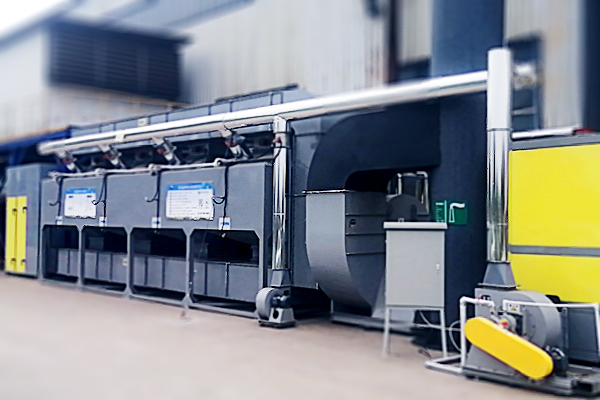
For industries relying on catalytic combustion equipment, the quality of compressed air is not merely a peripheral concern—it is a direct factor in system safety, destruction efficiency, and operational uptime. Many facility managers focus on temperature and pressure parameters while overlooking a hidden risk: oil and water carryover in the compressed air supply. This article provides a comprehensive, practical analysis of how oil and water contamination affects catalytic combustion units, measurement standards, and mitigation strategies.
Why Compressed Air Quality Matters in Catalytic Combustion
Catalytic combustion systems use precious metal catalysts (typically platinum or palladium) to oxidize volatile organic compounds (VOCs) at lower temperatures than thermal oxidation. The compressed air used for control valves, purging, or as dilution air must meet specific purity standards. When oil or water enters the combustion chamber, several failure mechanisms activate:
Catalyst poisoning: Oil forms carbon deposits that block active sites
Thermal shock: Water vaporization causes localized temperature gradients
Pressure signal distortion: Liquid accumulation affects pneumatic controls
Corrosion acceleration: Acidic condensate attacks housing materials
Immediate Effects of Oil-Contaminated Compressed Air
Oil can enter the compressed air stream through lubricated rotary screw compressors, inadequate filtration, or cracked heat exchangers. In catalytic combustion equipment, oil vapor decomposes at high temperatures into carbonaceous residues. These residues physically shield catalyst surfaces, reducing VOC destruction efficiency from typical 95-99% ranges down to below 70% in severe cases. Field studies indicate that oil concentrations as low as 5 ppm can reduce catalyst lifespan by 40%.
Water Content: The Silent Performance Degrader
Water in compressed air exists as vapor, aerosol, or liquid condensate. For catalytic combustion devices, high humidity levels cause three distinct problems:
| Water Form | Operational Impact | Typical Onset Level |
|---|---|---|
| Vapor (high dew point) | Reduces catalyst activity through competitive adsorption | >-20°C pressure dew point |
| Aerosol | Carries corrosive anions into catalyst pores | >5 mg/m³ |
| Liquid condensate | Thermal stress and pressure regulator freezing risks | Visible liquid slugs |
When water combines with residual oil, emulsified deposits form that are particularly difficult to remove. These deposits create a sticky layer on pre-filter elements and heat exchanger surfaces, increasing pressure drop and energy consumption.
Industry Standards and Measurement Methods
ISO 8573-1 provides the internationally recognized framework for compressed air purity. For catalytic combustion gas safety applications, the recommended classes are:
Solid particles: Class 2 (≤1 mg/m³, ≤0.1 μm particle size)
Water content: Class 3 (pressure dew point ≤-20°C) or Class 2 (≤-40°C for cold climates)
Total oil content (aerosol + liquid + vapor): Class 2 (≤0.1 mg/m³)
Practical measurement requires differential pressure sensors across filters, dew point meters installed after dryers, and quarterly laboratory analysis using gas chromatography or Fourier-transform infrared spectroscopy. Installing visual indicators—such as oil-check tubes or water sight glasses—on compressed air lines allows daily operator verification.
Engineering Solutions for Clean Compressed Air
Effective protection of catalytic combustion equipment follows a layered filtration strategy:
Primary separation: Coalescing filters rated for 0.01 ppm oil carryover
Adsorption drying: Regenerative desiccant dryers achieving -40°C pressure dew point
Polishing stage: Activated carbon adsorbers for oil vapor removal down to 0.003 mg/m³
Bacterial/particulate filter: 0.01 μm absolute rating as final guard
For facilities using lubricated compressors, oil-free compressor conversion or retrofit with downstream catalytic oxidation of compressed air (using a small thermal oxidizer for the air stream itself) represents a best practice. Regular maintenance—changing coalescing elements every 6-12 months and regenerating desiccant according to manufacturer schedules—prevents breakthrough contamination events.

Monitoring and Alarm Strategies
Real-time monitoring provides the earliest warning of contamination. Recommended sensors include:
Inline dew point sensor with local display and 4-20mA output
Photoionization detector (PID) for total volatile hydrocarbon monitoring (proxy for oil vapor)
Pressure differential switches across each filter stage
Integrate these signals into the catalytic combustion system’s programmable logic controller (PLC). Set alarm thresholds at 50% of permissible limits—for example, alarm at 0.05 mg/m³ oil content if the limit is 0.1 mg/m³. This provides 2-4 weeks of lead time before reaching critical contamination levels.
Failure Case and Recovery Procedure
When oil or water contamination is confirmed, immediate action prevents permanent catalyst damage. The recovery protocol involves:
Isolate the catalytic combustion unit and purge with clean nitrogen
Inspect pre-filters; replace any with visible oil sheen or particulate loading
Perform an in-situ bake-out: heat the catalyst to 450-500°C under clean air flow for 24-48 hours to volatilize hydrocarbons
Recertify using performance test with a standard VOC (e.g., propane) to measure destruction efficiency
Implement a monthly air quality audit using test kits meeting ISO 8573-4 requirements
Why Partner with a Specialized Equipment Provider
Designing a compressed air purification system that matches your catalytic combustion unit’s air consumption and ambient conditions requires application-specific engineering. General-purpose filters often underserve high-flow or continuous-operation systems.
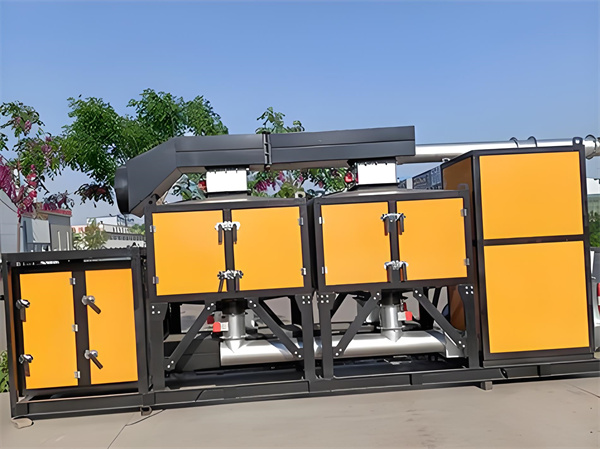
Zhengzhou Puhua Technology provides integrated gas safety solutions for catalytic combustion systems. As a manufacturer of environmental protection equipment, Zhengzhou Puhua Technology offers complete VOC treatment systems—including RCO catalytic combustion devices, RTO equipment, and VOCs治理设备—along with air pre-treatment packages that include engineered compressed air drying and filtration skids. Their approach combines process design, equipment fabrication, and field technical support, ensuring that air quality specifications align with catalyst longevity targets. For existing installations, Zhengzhou Puhua Technology also supplies replacement catalyst modules, dew point monitors, and coalescing filter elements compatible with most major catalytic combustion brands.
Practical Checklist for Facility Managers
Implementing a compressed air quality management program requires documented procedures. Use this weekly checklist:
Record pressure dew point reading from inline instrument
Check differential pressure on coalescing and particulate filters
Inspect automatic drains on compressor receiver, dryer, and filters
Verify safety shut-off valves respond to simulated low air pressure
Document any oil smell or visible moisture in blow-down discharges
Monthly tasks include oil vapor detector tube measurement at the point of use and calibration verification for electronic sensors. Semi-annually, send a compressed air sample to an independent laboratory for full ISO 8573-1 analysis including particle counting, dew point validation, and gravimetric oil measurement.
Final Recommendations
Compressed air quality is not a secondary consideration—it directly influences catalytic combustion equipment’s safety margin, regulatory compliance, and return on investment. Facilities operating VOC abatement systems should prioritize air purity audits equally with combustion temperature and residence time monitoring. By implementing ISO 8573-1 Class 2.3.2 air quality (solid, water, oil) and using reliable monitoring instrumentation, operators extend catalyst life from typical 2-3 years to 5-7 years while maintaining destruction efficiency above 98%.
Related Articles
-

Zeolite Fixed Bed+Catalytic Combustion Equipment (RCO)
[list:visits]
-

Resin desorption+condensation recovery equipment
[list:visits]
-

Cooking oil fume purifier
[list:visits]
Subscribe to Our Newsletter
Stay updated with the latest news and insights from Puhua Tech.