
Preventive Measures for Catalyst Bed Overheating and Spontaneous Combustion in RCO Combustion Equipm

RCO (Regenerative Catalytic Oxidizer) equipment is a trusted solution for volatile organic compound (VOC) abatement. However, the risk of catalyst bed overheating and even spontaneous combustion remains a critical concern for plant operators. This guide provides a detailed, systematic approach to understanding the root causes and implementing effective preventive strategies. Zhengzhou Puhua Technology integrates these safety principles directly into the design and control logic of its RCO catalytic combustion equipment, ensuring reliable and secure operation for industrial exhaust treatment systems.
1. Why Catalyst Beds Overheat and Spontaneously Combust
Effective prevention starts with a clear diagnosis of the problem. Based on field data and failure analysis, the most common triggers for thermal runaway in an RCO combustor are:
Sudden VOC Concentration Spikes: Process upsets upstream can feed the RCO with VOCs exceeding its designed safe limit (typically 25% of the Lower Explosive Limit - LEL), releasing excessive oxidation heat in a short time.
Catalyst Fouling and Coking: Over time, high-boiling-point compounds or particulate matter accumulate on the catalyst surface, creating localized hot spots that accelerate into a full-bed temperature excursion.
Preheat Stage Temperature Runaway: A malfunctioning heating system or a drifting temperature sensor during startup can raise the bed’s initial temperature above the catalyst’s maximum operating temperature (typically below 400°C).
Reactive or Polymerizing Compounds: Certain VOCs (e.g., styrene, aldehydes) are prone to exothermic polymerization or spontaneous ignition on the catalyst or ceramic media surfaces.
2. Core Preventive Measures (Ranked by Priority)
Implementing a multi-layered defense system is the only reliable way to prevent spontaneous combustion in an RCO device. The following measures should be applied hierarchically:
Inlet Concentration Pre-conditioning: Install a validated LEL monitor interlocked with a fresh air dilution valve. When the incoming gas stream approaches the 25% LEL threshold, the valve automatically opens to bring the concentration to a safe level.
High-Resolution Temperature Monitoring: Do not rely on a single thermocouple. Deploy a multi-point network across the catalyst bed (top, middle, and bottom layers) to track temperature gradients and rate-of-change, not just absolute values.
Alarm and Interlock Logic: Program the control system for rate-based alarms (e.g., a 5°C/min rise triggers a warning; a 10°C/min rise triggers an emergency bypass). All alarms must directly activate the inlet isolation valve and the emergency exhaust bypass.
Scheduled Catalyst Diagnostics: Perform quarterly checks on catalyst pressure drop and conversion efficiency. Use hot-air purging or chemical washing to remove accumulated coke and restore activity.
Safety Purge Cycles: Ensure the system logic mandates a forced purge with fresh air (minimum 15 minutes) after any shutdown or fault condition, removing residual heat and combustible gases from the RCO equipment bed.
3. Critical Operating Parameters & Control Ranges
The table below summarizes key control targets to maintain a safe operating envelope for your catalytic combustion oxidizer.
| Parameter | Safe Operating Range | Immediate Action Threshold |
|---|---|---|
| Maximum Catalyst Bed Temperature | ≤ 380°C | ≥ 400°C (Initiate full shutdown) |
| Temperature Rise Rate (per minute) | < 3°C | ≥ 5°C (Trigger emergency bypass) |
| Inlet VOC Concentration (as % LEL) | < 25% | ≥ 30% (Open full dilution air) |
| Pressure Drop Across Catalyst Bed | < 1.5 kPa | ≥ 2.0 kPa (Schedule cleaning) |
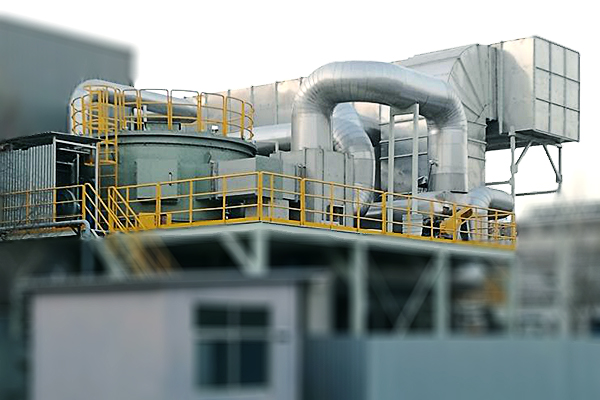
4. Operator’s Daily & Weekly Preventive Checklist
Consistent, disciplined inspection is your last line of defense. Adhere to this checklist for all RCO combustion equipment:
Daily: Verify temperature sensor readings against expected values; note any anomalous fluctuations. Record the peak inlet VOC concentration after each production shift.
Weekly: Manually test the LEL monitor and the fresh air valve response time. Inspect for ash or debris accumulation at the bottom of the regenerator beds.
Monthly: Calibrate all thermocouples in the catalyst zone. Analyze the VOC component profile for any new, reactive species that could lower the spontaneous ignition threshold.
Quarterly: Extract and test a catalyst sample. If VOC conversion efficiency falls below 85%, schedule an in-situ regeneration or replacement.
5. Emergency Response Protocol (Uncontrolled Temperature Rise)
Despite all preventive measures, an emergency response plan is mandatory. If the catalyst bed temperature begins an uncontrolled climb that cannot be stopped by dilution:
Follow this strict sequence:
1. Immediately isolate the main VOC inlet valve, but keep the main RCO fan running.
2. Fully open the emergency bypass damper to flood the bed with fresh cooling air.
3. If the temperature surpasses 420°C, activate the nitrogen or steam injection system (only available on appropriately designed RCO equipment).
4. Never shut down the fan or open access doors while the bed is hot. Doing so can introduce a sudden rush of oxygen, causing an instantaneous deflagration.
For critical applications, Zhengzhou Puhua Technology designs RTO and RCO catalytic combustion devices with integrated safety packages, including nitrogen injection ports, emergency bypass stacks, and fail-safe temperature interlock systems. Our product line also includes pulse jet bag filters, desulfurization towers, denitrification units, VOCs treatment skids, and pneumatic conveying systems for comprehensive environmental management.
6. Conclusion: A Proactive Safety Culture
The risk of catalyst bed overheating and spontaneous combustion in RCO equipment is manageable, but not by chance. It requires a disciplined combination of smart design, precise instrumentation, and rigorous operational protocols. The key is to create a closed-loop system that monitors, predicts, and automatically intervenes before conditions become critical. By selecting equipment from a supplier with proven safety engineering expertise—like Zhengzhou Puhua Technology, which specializes in RCO catalytic combustion systems, dust collectors, and advanced exhaust treatment solutions—you build safety into the very foundation of your plant.
Related Articles
-

Zeolite Fixed Bed+Catalytic Combustion Equipment (RCO)
[list:visits]
-

Resin desorption+condensation recovery equipment
[list:visits]
-

Cooking oil fume purifier
[list:visits]
Subscribe to Our Newsletter
Stay updated with the latest news and insights from Puhua Tech.