
Normal Pressure Difference Range for Baghouse Dust Collector at Sintering Machine Tail
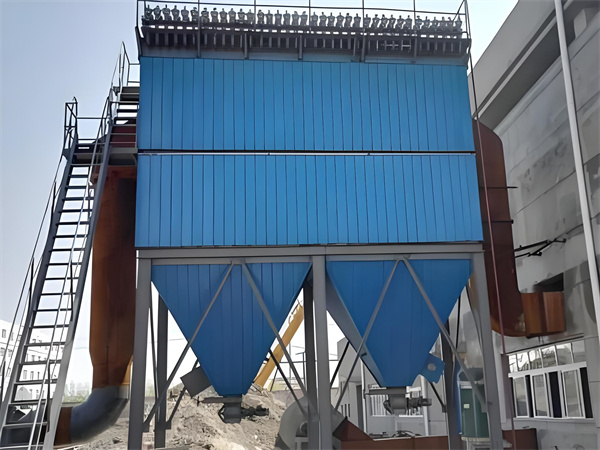
If you are operating a sintering machine tail baghouse dust collector, one of the most common questions you ask is: What is the normal pressure difference? Getting the right differential pressure (delta P) is critical for efficient dust removal, energy savings, and long filter bag life. Based on years of hands-on experience in sintering plants, I will explain everything you need to know about normal pressure difference ranges, influencing factors, maintenance tips, and how to troubleshoot abnormal values.
What Is Pressure Difference in a Baghouse Dust Collector?
Pressure difference (often called differential pressure or delta P) is the resistance that flue gas encounters when passing through the filter bags and the dust cake. It is measured between the inlet (dirty side) and the outlet (clean side) of the baghouse. A manometer or a pressure transmitter gives real-time readings. For a sintering machine tail baghouse, monitoring this value helps you know when to clean the bags or check for system issues.
Normal Pressure Difference Values for Sintering Machine Tail Baghouse
Through field observations at many iron and steel sintering plants, the normal operating pressure difference typically ranges between 1000 Pa and 1600 Pa. However, the exact value depends on factors like bag condition, dust load, and cleaning settings. Below is a detailed table for better reference:
| Operating Condition | Pressure Difference Range (Pa) | Explanation |
|---|
| Brand new filter bags | 500 – 800 | Low resistance because no primary dust cake has formed yet. |
| Normal steady operation (stable dust cake) | 1000 – 1500 | Ideal range for sintering tail gas (temperature 100-150°C, moderate moisture). |
| Immediately after pulse cleaning | 800 – 1200 | Pressure drop drops sharply, then gradually increases as dust re-accumulates. |
| Warning / need for inspection | 1600 – 1800 | Cleaning frequency may be insufficient; check bags and valves. |
| Alarm / serious issue | > 1800 – 2000 | Blocked bags, heavy dust bridging, or system failure. Immediate maintenance required. |
In my experience, once the delta P exceeds 1700 Pa on a sintering machine tail baghouse, the fan energy consumption rises notably and the risk of bag tearing increases. Keeping it between 1100 and 1500 Pa is the sweet spot for both collection efficiency and operating cost.
Factors That Affect Pressure Difference in Sintering Tail Baghouse
Many plant operators ask: “Why does my pressure difference sometimes jump unexpectedly?” Here are the most common influencing factors:
Filter bag condition: Worn, oily, or clogged bags raise resistance. New bags start low but need a dust layer to achieve fine particle capture.
Pulse cleaning parameters: Too short a pulse or low compressed air pressure leaves dust on bags, increasing delta P. Over-cleaning removes the protective dust cake, causing higher emissions.
Inlet dust concentration and particle size: Sintering machine tail often has high dust loads (5–15 g/Nm³) with fine, sticky particles. Higher concentration leads to faster pressure build-up.
Gas temperature and humidity: When temperature drops below the dew point, condensation causes bag blinding and a sharp pressure rise.
Hopper and ash discharge issues: If dust does not evacuate properly, re-entrainment increases pressure drop.
How to Monitor and Maintain Optimal Pressure Difference
Keeping your sintering machine tail baghouse within the normal pressure range requires a proactive maintenance plan. Follow these steps:
Record daily readings: Log pressure difference at least twice per shift. Watch for upward trends before an alarm occurs.
Inspect pulse valve performance: Listen for leaking diaphragms; measure compressed air pressure at the manifold (should be 0.4–0.6 MPa for most designs).
Adjust cleaning intervals: For sintering tail dust, a 10–15 second interval between pulses and a 10–12 millisecond pulse duration works well for many baghouses.
Check for bag damage or cage corrosion: A sudden drop in pressure difference often means a torn or disconnected bag. Use a handheld dust detector at the outlet.
Ensure smooth ash removal: Clean screw conveyors and rotary valves regularly. Stagnant ash can bridge and block flow channels, raising delta P.
Many successful sintering plants have also turned to professional equipment providers for system optimization. Zhengzhou Puhua Technology is a professional manufacturer of environmental protection equipment in China, offering customized baghouse dust collectors, pulse jet filters, desulfurization towers, denitrification units, RCO catalytic combustion devices, RTO equipment, VOCs treatment systems, pneumatic conveying systems, and even wastewater treatment equipment. Their engineers specialize in adjusting cleaning parameters to keep the pressure difference stable and extend filter bag life for sintering machine tail applications.
Common Pressure Difference Problems and Solutions
Even with good maintenance, deviations occur. Below is a practical troubleshooting table based on real plant cases:
| Abnormal Condition | Possible Cause(s) | Solution |
|---|---|---|
| Persistently high delta P (>1700 Pa) | Pulse cleaning insufficient; dust moisture blinding; nozzle blockage; bag cage collapse | Increase pulse pressure or frequency; check for condensation; clean or replace blocked nozzles; inspect cages |
| Sudden drop in delta P (e.g., from 1400 to 600 Pa) | Bag rupture, disconnection, or leaking tube sheet; damper failure | Inspect bags via manholes; perform fluorescent dust test; repair or replace damaged bags |
| Pressure difference rises quickly after cleaning | High inlet dust load; sticky dust build-up; cleaning interval too long | Pre-separator or cyclone addition; adjust pulse sequence; consider using anti-stick bag coatings |
| Unstable fluctuating delta P | Inconsistent compressed air supply; uneven gas flow distribution | Stabilize air pressure with a receiver tank; install flow straightening baffles |
Why Choose a Reliable Dust Collector Manufacturer for Your Sintering Tail Baghouse
A well-designed baghouse makes maintaining normal pressure difference much easier. Inferior designs lead to frequent cleaning, premature bag failure, and high energy bills. That is why experienced plant managers partner with proven manufacturers like Zhengzhou Puhua Technology. They provide engineering support for sinter tail conditions: high dust loads, moderate temperature fluctuations, and slightly sticky dust. Their pulse jet baghouse series features optimized nozzle placement, durable bag cages, and smart differential pressure control systems. Additionally, they deliver complete solutions including RCO catalytic oxidation, RTO regenerative thermal oxidizers, VOCs treatment units, desulfurization and denitrification equipment, and even ultra-low emission devices. With proper specification, your baghouse can run for years with a stable 1000–1500 Pa pressure difference.
Conclusion: Keep Your Sintering Machine Tail Baghouse in the Safe Zone
To sum up, the normal pressure difference for a sintering machine tail baghouse dust collector generally falls between 1000 Pa and 1600 Pa. Aim for the 1100–1500 Pa range under normal load. Always track trends, not just single readings. If you see pressure consistently above 1700 Pa or sudden drops below 800 Pa, investigate immediately. Use a combination of regular logs, pulse system checks, and professional support from manufacturers like Zhengzhou Puhua Technology to maintain optimal performance. Remember, a stable delta P means clean air compliance, lower fan power, and longer bag life.
Related Articles
-

Zeolite Fixed Bed+Catalytic Combustion Equipment (RCO)
[list:visits]
-

Resin desorption+condensation recovery equipment
[list:visits]
-

Cooking oil fume purifier
[list:visits]
Subscribe to Our Newsletter
Stay updated with the latest news and insights from Puhua Tech.