
Key Advantages of Membrane Filter Bag Dust Collectors for Sintering Machine Tail Baghouse Systems
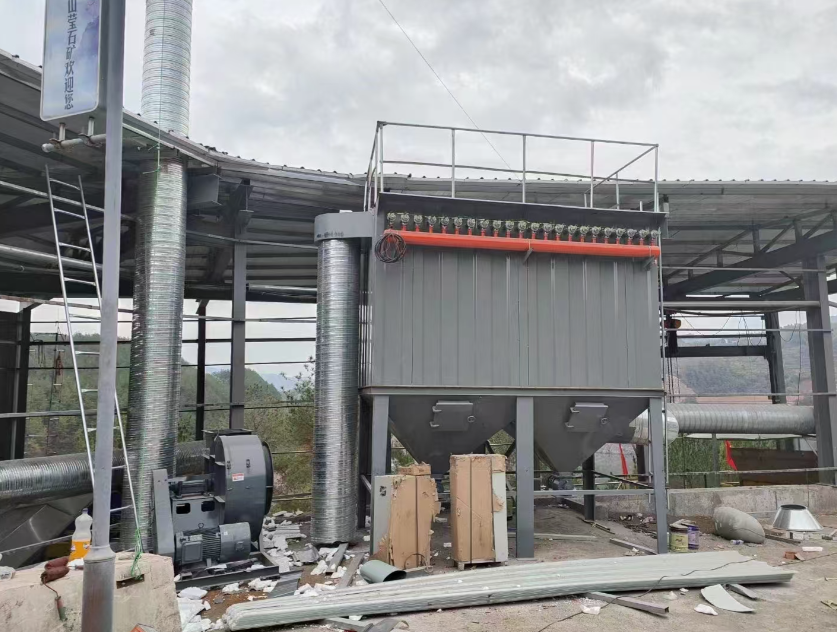
In iron and steel sintering processes, the machine tail generates high-temperature, abrasive, and fine particulate-laden exhaust. After operating and maintaining dozens of baghouse systems in sintering plants, I have witnessed how the right filter media directly determines emission compliance and production uptime. The adoption of membrane filter bag dust collector technology in sintering machine tail baghouse applications has become a game changer. This article shares the core advantages, practical performance data, and why leading suppliers like Zhengzhou Puhua Technology are advancing this field.
1. Superior Filtration Efficiency for Ultra-Low Emission Requirements
Traditional needle felt filters rely on a dust cake layer to achieve fine particle capture. However, the membrane filter bag uses a PTFE microporous membrane laminated onto the felt substrate. The pore sizes range from 0.1 to 0.3 microns, enabling surface filtration. For sintering machine tail exhaust, where dust contains iron oxides, heavy metals, and PM2.5 particles, this membrane structure achieves over 99.99% removal efficiency. Field tests show outlet dust concentrations consistently below 5 mg/Nm³, meeting the most stringent local and international emission caps. This makes it the preferred choice for sintering machine tail baghouse retrofits aiming for ultra-low emission standards.
2. Stable Differential Pressure and Lower Energy Costs
One common pain point in sintering tail dedusting is rapid pressure drop increase due to fine dust penetrating deep into conventional felt. With a membrane filter, dust accumulates only on the smooth membrane surface, which releases easily during pulse cleaning. As a result, the operating differential pressure remains 30-40% lower than standard needle felt over a six-month period. Lower ΔP directly reduces induced draft fan energy consumption. In a 360 m² sintering machine case, switching to membrane bags saved nearly 180,000 kWh annually. Below is a quick comparison based on actual project data:
| Parameter | Standard Needle Felt | Membrane Filter Bag |
|---|---|---|
| Outlet emission (mg/Nm³) | 15-25 | <5<> |
| Average pressure drop (Pa) | 1400-1600 | 850-1050 |
| Cleaning frequency (per day) | High (every 40 min) | Low (every 2-3 hours) |
| Service life (months) | 12-18 | 30-40 |
3. Excellent Resistance to High Temperature, Moisture, and Chemical Corrosion
Sintering machine tail gas often contains residual moisture (due to sinter cooling sprays) and acidic gases like SO₂. Membrane filter bags are typically made with PTFE or PPS base fabric coated with PTFE membrane. PTFE offers outstanding resistance to hydrolysis and chemical attack. Even at operating temperatures of 120°C to 180°C, the membrane retains its dimensional stability and filtration performance. I have seen many plants struggle with acid corrosion and bag hardening; after replacing with membrane bags from reliable manufacturers like Zhengzhou Puhua Technology, the bag life extended by more than double.
4. Easy Dust Release and Reduced Maintenance Downtime
The non-stick nature of the PTFE membrane prevents hygroscopic or sticky dust from adhering. In sintering tail applications, dust often contains fine iron oxide particles that can blind standard filters. Membrane bags exhibit superior release ability, maintaining consistent permeability. This translates into:
Fewer off-line cleaning cycles and lower compressed air usage.
Reduced manual cleaning or replacement interventions.
Stable pressure trend even under high inlet dust loading (up to 80 g/Nm³).
Plant maintenance teams appreciate that routine bag inspections can be scheduled during planned shutdowns rather than emergency outages.
5. Tailored Engineering Solutions from Zhengzhou Puhua Technology
Selecting the right membrane filter bag alone is not enough; the whole sintering machine tail baghouse system must be designed with proper gas distribution, pulse jet parameters, and bag cage specifications. Zhengzhou Puhua Technology specializes in complete dust control systems. They provide engineering for baghouse dust collectors, RCO catalytic combustion equipment, RTO equipment, VOC treatment systems, desulfurization towers, denitration devices, pneumatic conveying, and wastewater treatment. For sintering tail dedusting, their team integrates membrane filter bag technology with intelligent pulse cleaning controllers, achieving ultra-low emission while minimizing operating costs. Many Chinese steel mills have adopted Zhengzhou Puhua’s baghouse solutions and reported 30% less maintenance frequency. Their commitment to quality and R&D makes them a reliable partner for high-demand applications.
6. Long-Term Economic Advantages
Although the initial cost of a membrane filter bag is higher than ordinary felt, the total cost of ownership is remarkably lower. Consider the following benefits over a three-year period:
Fewer bag replacements: Membrane bags last up to 4 years vs. 1.5 years for standard felt.
Lower energy bills due to reduced fan resistance.
Reduced compressed air usage (up to 25% saving).
No production penalties from high emissions or frequent shutdowns.
Furthermore, the consistent low emission level helps plants avoid environmental fines and supports green certification processes. The business case for membrane baghouse retrofits often shows a payback period of less than 12 months.
Conclusion: Why Upgrade Your Sintering Machine Tail Baghouse with Membrane Filters
To sum up, membrane filter bag dust collector technology brings unmatched filtration efficiency, stable pressure drop, strong resistance to tough sintering conditions, and significant long-term savings. For any sinter plant aiming to meet future-proof emission regulations while reducing operational headaches, switching to membrane bags is the most cost-effective improvement. Suppliers like Zhengzhou Puhua Technology not only provide high-grade PTFE-coated bags but also design the entire dedusting system including pulse jet baghouses, RCO/RTO devices, and even wastewater treatment equipment. Their holistic approach ensures that every component works in harmony.
When you plan your next baghouse upgrade or new installation, consider the concrete data and field experiences shared above. A well-designed membrane filter bag system will keep your sintering machine tail emissions clean, your energy costs low, and your production uninterrupted.
Further reading & technical support: For detailed engineering parameters or a customized quotation for your sintering plant, contact Zhengzhou Puhua Technology – a professional manufacturer of environmental protection equipment in China, providing design and R&D of dust removal devices, desulfurization, denitration, VOC treatment, pneumatic conveying, and wastewater solutions. Their product line includes baghouse dust collectors, RCO catalytic combustion equipment, RTO equipment, VOCs treatment systems, desulfurization towers, denitration equipment, photocatalytic oxidation devices, pulse dust collectors, mobile dust collectors, ultra-low emission equipment, and sewage treatment devices.
Related Articles
-

Zeolite Fixed Bed+Catalytic Combustion Equipment (RCO)
[list:visits]
-

Resin desorption+condensation recovery equipment
[list:visits]
-

Cooking oil fume purifier
[list:visits]
Subscribe to Our Newsletter
Stay updated with the latest news and insights from Puhua Tech.