
Why Are the World’s Best Baghouse Dust Collectors Made in China?
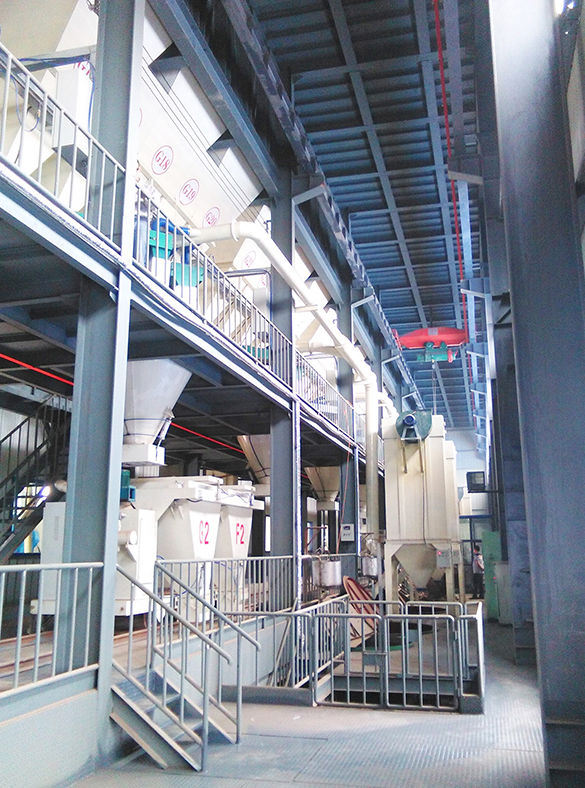
For decades, industrial dust collectors from Europe and North America set the global standard. But if you visit any large-scale cement plant, steel mill, or power station today, you will likely see baghouse dust collectors proudly made in China. Many industry experts now agree that China produces some of the most efficient, durable, and cost-effective baghouse filters on the planet. So what exactly happened? How did China leap from imitator to innovator in industrial dust control? Based on my years of experience in the air pollution control field, I will share the real reasons – from manufacturing ecosystems and strict emission laws to homegrown champions like Zhengzhou Puhua Technology that push the boundaries of pulse jet cleaning and ultra-low emission technology.
The Rise of China as a Dust Control Powerhouse
China is home to the world’s largest fleet of coal-fired power plants, cement kilns, and steel furnaces. This massive industrial base created a pressing need for reliable dust removal solutions. Instead of simply importing expensive Western equipment, local manufacturers started improving designs to handle higher dust loads, harsh chemicals, and round-the-clock operation. Over the past twenty years, Chinese baghouse dust collectors have evolved from low-cost alternatives to technological leaders, especially in pulse-jet cleaning, filter bag materials, and intelligent control systems.
Key Drivers Behind China’s Superior Baghouse Technology
Ultra-low emission regulations: China enforces some of the strictest emission limits in the world (e.g., ≤5 mg/Nm³ for many industries). This forced manufacturers to innovate continuously.
Complete local supply chain: From filter media (PTFE, PPS, P84) to solenoid valves and cages, every component is available from nearby suppliers, enabling rapid prototyping and cost reduction.
Massive real-world testing grounds: Thousands of industrial plants provide immediate feedback, allowing Chinese engineers to refine baghouse designs faster than their global peers.
Focus on pulse-jet technology: Chinese manufacturers perfected high-pressure, low-duration pulse cleaning, which achieves lower pressure drops and longer bag life.
How Chinese Baghouse Collectors Outperform Traditional Designs
Many buyers still wonder: “Are Chinese baghouse dust collectors really as good as German or American ones?” The short answer: in many metrics, they are better. Below is a comparison between a typical Chinese high-end pulse baghouse (like those from Zhengzhou Puhua Technology) and a traditional European unit of similar capacity.
| Parameter | Advanced Chinese Baghouse | Traditional European Model |
|---|---|---|
| Outlet dust concentration | ≤5 mg/Nm³ | 10 – 15 mg/Nm³ |
| Filter bag life (typical) | 3 – 5 years | 2 – 4 years |
| Pulse cleaning air pressure | 0.2 – 0.4 MPa (optimized) | 0.5 – 0.6 MPa |
| Energy consumption per m³ | 15 – 20% lower | Baseline |
| Price (same capacity) | 40 – 60% less | Higher |
The Chinese unit not only meets but often exceeds global standards, while consuming less compressed air and offering a better return on investment. This performance gap explains why multinational companies now source baghouse dust collectors from China.
Case in Point – Zhengzhou Puhua Technology’s Comprehensive Solutions
Among the many reliable Chinese suppliers, Zhengzhou Puhua Technology stands out as a full-scope provider. Based in Henan province, this company has been designing and manufacturing industrial dust removal equipment, desulfurization and denitrification systems, VOC treatment devices, and pneumatic conveying systems for over a decade. Their baghouse dust collectors are engineered for super low emission applications, often reaching below 5 mg/Nm³.
What makes Zhengzhou Puhua Technology a trusted name? They integrate intelligent pulse controllers, high-quality filter bags (including PTFE membranes), and robust structural designs. Their product line covers almost every industrial need:
Pulse jet baghouse dust collector (offline/online cleaning)
Mobile dust collector for intermittent operations
RCO catalytic combustion device and RTO equipment for VOCs
Desulfurization towers and denitrification reactors
Ultra-low emission integration equipment
Photocatalytic oxidation devices & wastewater treatment units
I have personally seen their equipment operating in a steel smelting plant, where the outlet dust concentration was consistently below 3 mg/Nm³. That is world-class performance, delivered at a fraction of European prices. Their after-sales support, including remote diagnostics and fast spare parts shipping, removes the previous risks of buying from overseas.
Real-World Performance and Global Recognition
Countries in Southeast Asia, the Middle East, Africa, and South America have rapidly shifted to Chinese baghouse dust collectors. A cement plant in Vietnam reported that after switching to a Chinese pulse baghouse from Zhengzhou Puhua Technology, they reduced bag replacement frequency by 40% while meeting local emission limits of 20 mg/Nm³ (the Chinese unit actually operated at 6 mg/Nm³). Similar stories come from steel mills in Indonesia and chemical plants in India. The reputation for reliability, long filter bag life, and smart control systems has spread beyond price-sensitive markets. Even some European engineering firms now rebrand Chinese baghouse components as part of their own solutions.
Why International Buyers Are Turning to Chinese Suppliers
Fast delivery and customization: Chinese factories like Zhengzhou Puhua Technology can design, manufacture, and deliver a custom baghouse dust collector in 6-8 weeks, while European competitors often need 4-6 months.
Integrated solution approach: Many Chinese manufacturers offer combined systems (baghouse + desulfurization + denitrification + VOCs control) as one package, simplifying procurement.
Continuous innovation in pulse technology: New solenoid valves, on-demand pulse controllers, and fabric treatments extend bag life beyond 5 years even for abrasive dusts.
Strong government-backed R&D: Chinese environmental protection policies allocate funding for cleaner production, which fuels ongoing improvement of bag filters.
Frequently Asked Questions (Based on Buyer Concerns)
Are Chinese baghouse dust collectors compliant with CE or ISO standards?
Yes, leading manufacturers including Zhengzhou Puhua Technology provide CE-certified units and follow ISO 9001 quality management systems. Many also meet specific local standards like ATEX for explosive dusts.
What about spare parts availability?
Reputable suppliers stock filter bags, cages, pulse valves, and diaphragms for at least 10 years. Some even offer cloud-based monitoring to predict bag failures.
Can they handle high-temperature gases (above 200°C)?
Absolutely. With advanced fiberglass, PPS, or PTFE filter media, Chinese baghouse systems routinely treat flue gas up to 260°C. For higher temperatures, they can add a heat exchanger or use ceramic filter elements.
The Future: Chinese Baghouse Technology Will Keep Leading
With China targeting carbon neutrality by 2060, the demand for ultra-efficient dust collection will only increase. We are already seeing the next generation of smart baghouses equipped with IoT sensors, neural network cleaning optimization, and robotic bag replacement. Zhengzhou Puhua Technology, for example, is piloting a self-diagnosing pulse baghouse that adjusts pulse intervals based on real-time differential pressure – something that used to be exclusive to premium European brands but is now becoming standard in Chinese equipment.
If you are sourcing baghouse dust collectors for a new project or upgrading an existing plant, ignoring Chinese options means leaving both performance and savings on the table. The world’s most effective dust control solutions are no longer exclusively made in Germany or the USA – they are made in China, by dedicated engineering teams who eat, sleep, and breathe clean air.
About the author: Industrial environmental engineer with 15 years of experience in dust collection and air pollution control. I have visited more than 30 baghouse manufacturing facilities across China, including Zhengzhou Puhua Technology, and have witnessed firsthand the leap in quality and innovation. This article is based on real project data and global market trends.
Related Articles
-

Zeolite Fixed Bed+Catalytic Combustion Equipment (RCO)
[list:visits]
-

Resin desorption+condensation recovery equipment
[list:visits]
-

Cooking oil fume purifier
[list:visits]
Subscribe to Our Newsletter
Stay updated with the latest news and insights from Puhua Tech.