
High Noise Level in Your Flat Bag Dust Collector? Check These Key Areas
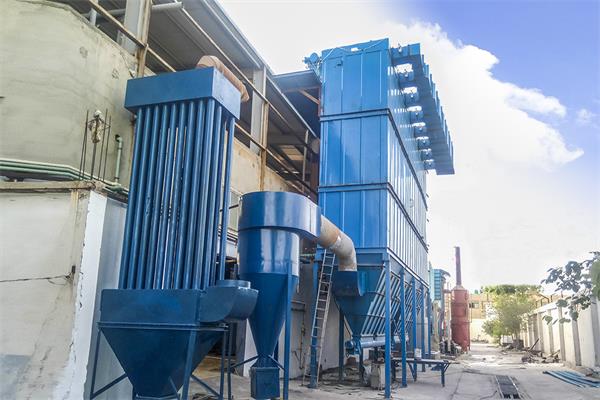
If you operate a flat bag dust collector in your workshop or industrial facility, you know that a certain level of operational sound is normal. However, when that familiar hum turns into a loud, disruptive, or irregular noise, it is a clear sign that something is wrong. Ignoring these auditory warnings can lead to reduced filtration efficiency, higher energy costs, and even premature system failure. This guide walks you through the most common sources of excessive noise and how to address them effectively.
For over a decade, Zhengzhou Puhua Technology has specialized in the design and manufacturing of high-performance dust control solutions. Our experience with pulse dust collector systems, baghouse dust collector units, and complete dust removal equipment lines has shown that most noise issues are preventable with routine inspections. Below, we break down exactly where to look.
Why Is My Flat Bag Dust Collector So Loud?
Excessive noise in a flat bag dust collector typically comes from one of four subsystems: the fan and motor, the compressed air pulsing mechanism, the filter bag cage assembly, or the hopper and ductwork. By isolating the type of sound—grinding, rattling, hissing, or booming—you can quickly narrow down the root cause. Let us examine each area in detail.
1. Fan and Motor Imbalances or Bearing Wear
The induced draft fan is the heart of your dust collection system. If the fan impeller becomes unbalanced due to dust buildup or material fatigue, it creates a rhythmic thumping or vibration that transmits through the entire unit. Worn bearings often produce a high-pitched squeal or a low growl.
-
What to check: Inspect the fan blades for uneven dust accumulation or damage. Listen for irregular bearing noise with a mechanic’s stethoscope.
-
Quick fix: Clean the impeller thoroughly. If noise persists, replace fan bearings or rebalance the rotor assembly.
-
Preventive tip: Schedule monthly vibration analysis on all critical rotating equipment.
2. Compressed Air Pulsing System Malfunctions
Modern flat bag dust collectors use a pulse jet cleaning system to dislodge dust from filter bags. When this system operates correctly, you hear a crisp, short burst of air every few seconds. However, leaking diaphragm valves, stuck solenoids, or excessive air pressure create loud, continuous hissing or hammering noises.
| Component | Symptom of Noise Issue | Recommended Action | |-----------|------------------------|---------------------| | Diaphragm valve | Hissing sound after the pulse | Replace diaphragm or clean valve seat | | Solenoid coil | Clicking without air burst | Test coil resistance; replace if faulty | | Blowpipe nozzle | High-pitched whistle | Check alignment and nozzle orifice for wear | | Air reservoir | Booming or resonance lower frequency | Reduce main air pressure to manufacturer specs |
For optimal performance of your pulse dust collector, always maintain clean, dry compressed air at the pressure recommended by your system’s manual. Excess pressure not only creates noise but also can tear filter bags prematurely.
3. Loose or Broken Filter Bag Attachments
In a flat bag dust collector, each filter bag is secured over a wire cage and clamped to the tubesheet. If a clamp loosens, the bag can flutter under pulse jet pressure, producing a snapping sound. A broken cage allows bags to rub against each other, causing abrasive wear and a distinctive rustling noise.
-
Visual check: Open the clean air compartment and inspect bag tension. Gently tug each bag to ensure it is firmly attached.
-
Sound signature: Irregular flapping or plastic-like crinkling, especially during pulse cleaning.
-
Solution: Replace damaged cages and tighten all retaining clamps to the correct torque.
4. Ductwork and Hopper Vibrations
Sometimes the noise source is not inside the dust collector itself but in the connected ductwork or discharge hopper. Thin-gauge duct panels can resonate at the fan’s blade-pass frequency, creating an annoying hum. Accumulated dust bridges in the hopper can cause material to fall intermittently, producing banging sounds.
How to diagnose: Place your hand on different sections of ductwork while the system runs. Excessive vibration indicates missing stiffeners or loose hangers. For the hopper, use a rubber mallet to tap the exterior—a dull thud suggests a dust bridge that needs cleaning.
Long-term solution: Add vibration damping pads to duct supports and install acoustic insulation on hopper walls. Regular hopper cleaning prevents uneven dust release.
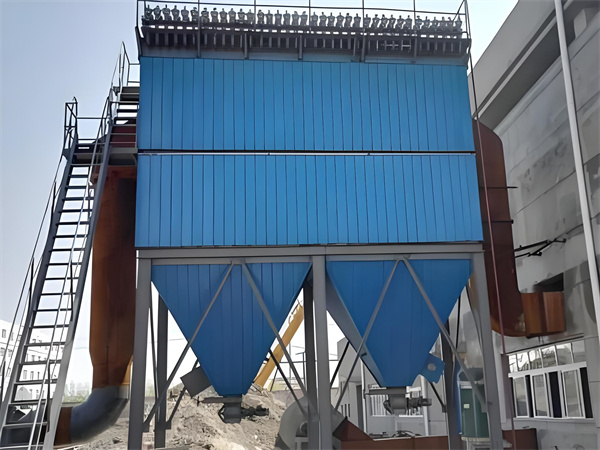
When to Call a Professional
While many noise issues can be resolved in-house, some require specialized diagnostic tools. If you have checked all the above areas and the noise persists—or if you hear metallic grinding, loud bangs, or screeching—shut down the system immediately and contact a qualified technician. Zhengzhou Puhua Technology offers on-site troubleshooting and maintenance services for all types of bag dust collector systems, helping you restore quiet, efficient operation quickly.
Preventive Maintenance Checklist to Minimize Noise
To keep your flat bag dust collector running quietly and reliably, integrate these tasks into your regular schedule:
-
Monthly: Check fan belt tension and bearing temperatures.
-
Monthly: Pulse test each solenoid and listen for uniform valve response.
-
Quarterly: Open inspection doors and visually examine bag attachments.
-
Quarterly: Tighten all bolts on duct flanges and hopper connections.
-
Biannually: Have a vibration analysis performed on fan and motor shafts.
Conclusion
Excessive noise from your flat bag dust collector is not something to “live with.” It always points to a specific mechanical or operational issue that, if corrected early, saves you from expensive downtime and component replacement. By methodically checking the fan, pulsing system, filter bag attachments, and ductwork, you can pinpoint the cause and take corrective action.
Remember, consistent preventive care is the best investment. For tough-to-diagnose noise problems or to upgrade to a newer, quieter pulse dust collector or bag dust collector system, reach out to the experts at Zhengzhou Puhua Technology. With our complete range of dust removal equipment—including baghouse filters, RTO devices, and wastewater treatment solutions—we are your partner in clean, quiet, and compliant industrial operations.
Related Articles
-

Zeolite Fixed Bed+Catalytic Combustion Equipment (RCO)
[list:visits]
-

Resin desorption+condensation recovery equipment
[list:visits]
-

Cooking oil fume purifier
[list:visits]
Subscribe to Our Newsletter
Stay updated with the latest news and insights from Puhua Tech.