
Key Considerations and Recommended Frequency for Filter Cartridge Replacement in Cartridge Dust Coll
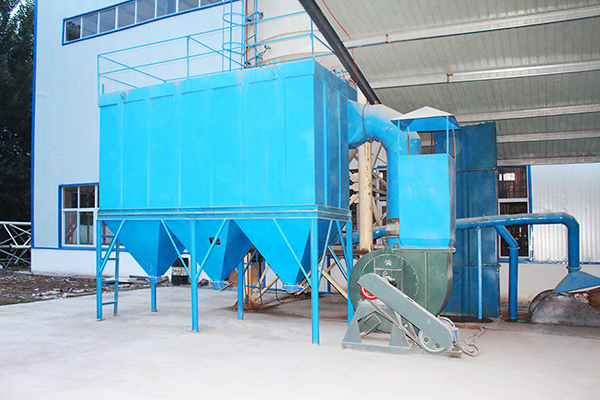
Maintaining a cartridge dust collector is essential for operational efficiency, workplace safety, and regulatory compliance. For facility managers and environmental engineers, one of the most common yet critical questions is: When and how should you replace the filter cartridges? This article provides a clear, practice-based guide to help you optimize your dust collection system’s performance, reduce downtime, and control operating costs.
Why Timely Filter Cartridge Replacement Matters
Filter cartridges are the heart of any cartridge dust collector. Over time, captured particulate matter accumulates within the filter media, increasing pressure drop and reducing airflow. Delaying necessary replacements leads to higher energy consumption, diminished capture efficiency, and potential regulatory non-compliance for workplace air quality. In demanding industries such as mining, woodworking, chemical processing, and metal fabrication, a proactive replacement strategy is not optional—it is a necessity.
Leading environmental technology providers, including Zhengzhou Puhua Technology, emphasize that regular maintenance and timely filter changes directly extend equipment life and maintain stable emission levels. Zhengzhou Puhua Technology specializes in designing and manufacturing comprehensive dust control and air pollution treatment systems, including cartridge dust collectors, pulse jet baghouses, RCO catalytic combustion devices, RTO equipment, desulfurization towers, and more.
Key Considerations Before Replacing Filter Cartridges
Replacing cartridges may seem straightforward, but incorrect procedures can damage the collector housing or lead to leaks. Follow these essential precautions:
De-energize and lock out the system: Always isolate the dust collector from power and compressed air sources before accessing the filter compartment. This prevents accidental pulse cleaning activation.
Inspect the housing first: Check for corrosion, dents, or moisture damage that might compromise the seal of new cartridges. A damaged housing will negate the benefits of fresh filters.
Use manufacturer-specified replacements: Not all cartridges are equal. Verify dimensions, gasket material, and media type (e.g., cellulose, polyester, PTFE membrane, or flame-retardant) against the original specifications.
Maintain cleanliness during change-out: Vacuum loose dust from the tubesheet and interior walls. Any debris left behind can bypass new cartridges and exit the exhaust stream.
Inspect gaskets and seals: The most common post-replacement issue is dust bypass due to pinched or deteriorated gaskets. Ensure each cartridge sits flush against the tubesheet.
Re-energize carefully: Run the system at a reduced air volume for the first hour to allow the new filter media to condition properly, which improves initial dust cake formation.
Recommended Frequency for Filter Cartridge Replacement
There is no universal replacement interval because service life depends on dust characteristics, loading rates, moisture content, and operating hours. However, the table below provides industry-informed guidelines for common applications. These are starting points; your actual schedule should be validated by monitoring pressure differential and visual stack checks.
| Application Type | Typical Service Life (Months) | Key Influencing Factors | |||||||||
|---|---|---|---|---|---|---|---|---|---|---|---|
| Light-duty (e.g., pharmaceutical, food handling) | 18 – 24 | Low dust loading, non-abrasive particles | Medium-duty (e.g., woodworking, plastic processing) | 12 – 18 | Higher dust loading, some moisture risk | Heavy-duty (e.g., welding fume, metal grinding) | 9 – 12 | Fine sub-micron particles, potential spark hazards | Abrasive / high-temperature applications (e.g., foundry, cement) | 6 – 9 | High particle abrasiveness, thermal stress |
Beyond these benchmarks, monitor these four indicators to determine if replacement is needed earlier:
Persistent high pressure drop: If the delta-P remains above 1.5 kPa (or the manufacturer’s specified limit) even after pulse cleaning, the filter media is likely loaded beyond recovery.
Visible emissions from the exhaust: Dust puffing indicates a failed cartridge, broken gasket, or seal issue.
Increased fan speed or energy draw: The system may be forcing air through clogged filters, raising electricity costs.
Production quality impact: In facilities where air quality directly affects products (e.g., pharmaceutical or battery manufacturing), premature replacement is cost-effective.
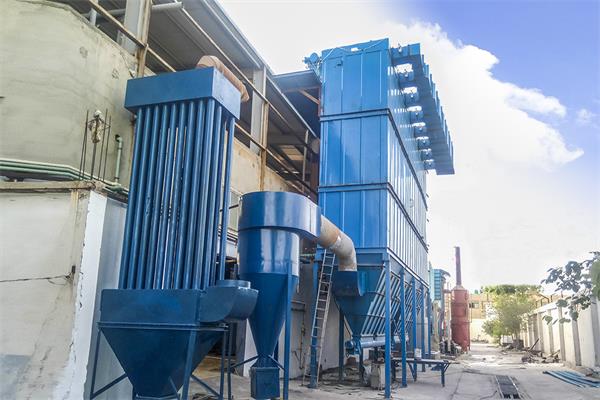
Step-by-Step Cartridge Replacement Best Practices
When the time comes, follow this sequence to avoid common errors:
Prepare tools and PPE: Include replacement cartridges, a torque wrench if bolts are used, a ladder, gloves, and an N100 respirator.
Document orientation: Take photos of current cartridge arrangement if multiple rows exist. Some systems use offset configurations.
Remove old cartridges: Loosen retaining bolts or wing nuts. Rotate the cartridge slightly to break dust bridges, then pull downward or outward based on your collector’s design.
Clean the tubesheet thoroughly: A wire brush and industrial vacuum are recommended. Any rust debris should be removed and the area spot-primed if necessary.
Install new cartridges: Insert each cartridge squarely, ensure the gasket contacts the tubesheet evenly, and secure fasteners to the specified torque.
Run a compressed air leak test: With the system off, blow compressed air from the clean side toward the dirty side while feeling for air leaks around each gasket.
Reset the controller: Reinitialize the differential pressure sensor and reset the baseline.
Extending Filter Life Through Upstream Measures
Many users can safely stretch replacement intervals by implementing complementary technologies. Zhengzhou Puhua Technology provides integrated solutions that reduce the load on the primary cartridge dust collector. For example:
Adding a cyclone pre-separator removes coarse particles before they reach the cartridges.
Installing a spark arrestor or cooling duct protects filter media from thermal damage.
Using a pulse-jet cleaning system with properly sequenced compressed air pulses keeps the media surface active.
These upstream measures are particularly effective when combined with a regular inspection routine. They also align with modern sustainability goals by reducing waste from prematurely discarded filter cartridges.
Brand and Service Support
Reliable equipment and knowledgeable support are critical components of a successful filter management program. Zhengzhou Puhua Technology offers a full range of advanced environmental protection equipment, including pulse-jet cartridge dust collectors, baghouse filters, RCO and RTO volatile organic compound (VOC) abatement systems, desulfurization and denitrification towers, photochemical oxidation devices, pneumatic conveying systems, and wastewater treatment solutions. Their engineering team can help you select the right filter media for your specific dust characteristics and establish a cost-effective replacement schedule.
Image suggestion: A clear photograph showing a technician properly installing a new filter cartridge into the tubesheet of a cartridge dust collector. Ensure the image shows correct gasket alignment and clean housing surfaces.
Conclusion: Build a Data-Driven Replacement Plan
Blindly following calendar-based replacements wastes resources, while waiting until visible emissions appear risks health and compliance violations. The most effective approach combines the general frequency guidance provided in this article with real-time pressure drop tracking and periodic visual inspections. Document each replacement date, reason for change, and the condition of removed cartridges. Over six to twelve months, this log will reveal the optimal interval for your unique operating environment.
For businesses seeking to upgrade their dust collection efficiency, or those designing a new facility, partnering with an experienced manufacturer ensures that filter cartridges, housing design, and cleaning mechanisms work in harmony. With proper attention to replacement procedures and timing, your cartridge dust collector will deliver years of reliable performance and cleaner air.
Related Articles
-

Zeolite Fixed Bed+Catalytic Combustion Equipment (RCO)
[list:visits]
-

Resin desorption+condensation recovery equipment
[list:visits]
-

Cooking oil fume purifier
[list:visits]
Subscribe to Our Newsletter
Stay updated with the latest news and insights from Puhua Tech.