
Baghouse Filter Bag Clogging? Teach You Several Easy Solutions
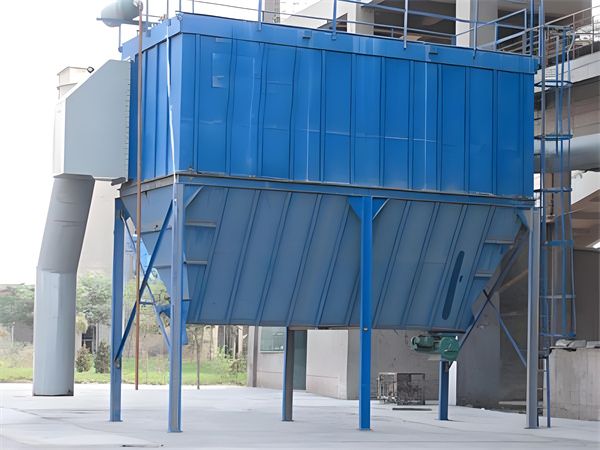
Baghouse dust collectors are essential for industrial air pollution control, but filter bag clogging (often called "糊袋" in Chinese industry terms) remains one of the most common and frustrating issues. When your baghouse isn't breathing properly, production efficiency drops, energy costs rise, and compliance risks increase. This guide provides practical, proven solutions to diagnose and resolve bag clogging effectively.
Why Do Filter Bags Clog? Understanding the Root Causes
Before fixing the problem, you need to understand what causes bag clogging. The main culprits include:
High moisture content – Condensation from temperature fluctuations or steam leaks
Incorrect air-to-cloth ratio – Too much dust for the filter area
Poor pulse cleaning settings – Inadequate pressure or frequency
Chemical adhesives – Sticky dust particles from certain processes
Startup condensation – Cold system startup without preheating
Step-by-Step Solutions to Unclog Your Baghouse Filter Bags
1. Adjust Your Pulse Jet Cleaning Parameters
Most modern baghouses use pulse jet cleaning. If your bags are clogging, the pulse settings may need adjustment. Increase the compressed air pressure within manufacturer recommendations (typically 70-90 PSI). Shorten the pulse interval but avoid over-cleaning, which can damage bag fabric. For Zhengzhou Puhua Technology baghouse systems, optimal settings are provided in each unit's manual based on dust characteristics.
2. Control Moisture and Condensation
Moisture is the leading cause of bag clogging. Implement these measures:
Insulate the baghouse housing to prevent cold spots
Install a preheating system for cold startups
Check for steam leaks from nearby processes
Maintain gas temperatures at least 20°F above the dew point
3. Optimize Filtration Velocity (Air-to-Cloth Ratio)
Excessive filtration velocity forces fine particles deep into the filter media. For difficult dust, reduce the air-to-cloth ratio by either slowing the fan speed or adding more filter area. Many pulse dust collector systems from Zhengzhou Puhua Technology include variable frequency drives to help control this parameter precisely.
4. Pre-Coating for Sticky or Hygroscopic Dust
For dust that naturally clings or absorbs moisture, pre-coating the new filter bags with a dry, absorbent powder (like limestone or diatomaceous earth) creates a protective layer. This technique is especially effective for applications involving:
Chemical processing dust
Food industry particles
Metalworking fumes
5. Regular Differential Pressure Monitoring
Track your baghouse's differential pressure daily. A sudden rise indicates clogging; a drop suggests bag damage. Use this table as a quick reference guide:
| Differential Pressure (inches H2O) | Condition | Recommended Action |
|---|---|---|
| Below 2.5 | Potential bag leaks | Inspect for holes or tears |
| 2.5 - 5.0 | Normal operating range | Continue normal pulse cleaning |
| 5.0 - 7.5 | Moderate clogging | Increase pulse frequency |
| Above 7.5 | Severe clogging | Clean or replace bags immediately |
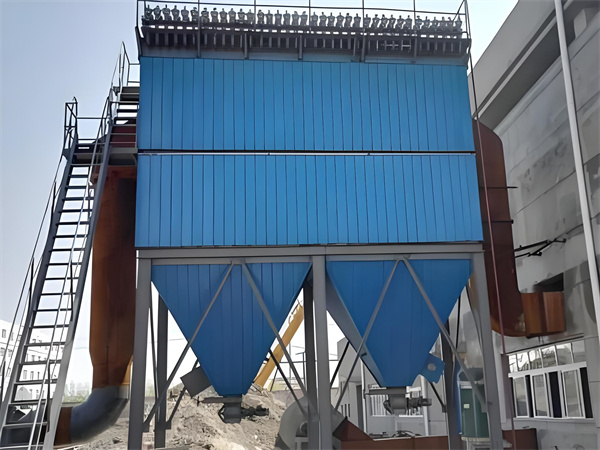
Preventive Maintenance Schedule for Baghouse Systems
Prevention is always better than cure. Follow this maintenance routine to avoid clogging issues:
Daily: Check differential pressure, listen for unusual noises from the pulse jet system
Weekly: Inspect compressed air lines for moisture, check hopper discharge for bridging
Monthly: Perform visual inspection of bags through access doors, test cleaning cycle timing
Quarterly: Check bag tension and seals, verify solenoid valve operation
Annually: Conduct full internal inspection, replace worn bags as needed
When to Call a Professional for Baghouse Troubleshooting
While many clogging issues can be resolved in-house, some situations require expert intervention. If you experience recurring clogging after trying the steps above, or if your process dust is highly abrasive, toxic, or explosive, professional assessment is recommended. Zhengzhou Puhua Technology provides comprehensive baghouse solutions including design, manufacturing, installation, and servicing for various dust removal equipment, desulfurization systems, denitrification units, VOCs treatment equipment (RCO catalytic combustion devices, RTO systems), pneumatic conveying systems, and wastewater treatment equipment. Their product line includes pulse dust collectors, mobile dust collectors, ultra-low emission equipment, photoelectric catalytic oxidation devices, and desulfurization towers.
For baghouse users, the company offers site inspections, filter bag replacement services, and control system retrofits. With years of experience in environmental protection equipment manufacturing, their technical team can diagnose complex clogging cases that standard maintenance cannot resolve.
Conclusion: Keep Your Baghouse Breathing Freely
Filter bag clogging doesn't have to disrupt your operations. By understanding the causes and applying systematic solutions—from adjusting pulse cleaning parameters to controlling moisture—you can restore your baghouse performance and extend filter bag life. Regular monitoring and preventive maintenance are the keys to avoiding costly downtime. For persistent issues or professional guidance, seeking support from experienced baghouse manufacturers ensures long-term, reliable dust control.
Note: Always follow your equipment manual's specific guidelines. Different baghouse designs and dust types may require customized approaches.
Related Articles
-

Zeolite Fixed Bed+Catalytic Combustion Equipment (RCO)
[list:visits]
-

Resin desorption+condensation recovery equipment
[list:visits]
-

Cooking oil fume purifier
[list:visits]
Subscribe to Our Newsletter
Stay updated with the latest news and insights from Puhua Tech.